Heated Pants for Outdoor 2026: The B2B Buying Guide for Hiking, Camping & Workwear
An outdoor gear buyer sourcing heated pants for outdoor programs in 2026 faces a market that has matured into 4 distinct sub-categories, each with a different engineering bar, a different price point, and a different buyer persona. The wrong factory choice on a 5,000-pair program can quietly burn 10-18% of landed cost in returns, re-samples, and field-failure warranty claims — and the worst part is that the failure doesn’t show up until month 4 or 5 of the program, after you’ve already committed to the next reorder.
*How does a B2B outdoor buyer evaluate heated pants for outdoor across the 5 engineering decisions, the use-case matrix, the waterproofing stack, and the 5 design mistakes that quietly destroy outdoor program margin?*
This guide is built for you. Whether you’re a heated pants for outdoor distributor placing a first 200-pair trial for a hiking-retailer customer, an OEM brand manager scaling a winter-camping pant line to 2,500 pairs per quarter, or a workwear buyer evaluating ANSI-rated heated pants for utility crews — the framework below applies.
We’ll walk through the 4 outdoor sub-categories (hiking, camping, hunting, workwear), the 5 engineering decisions that determine whether your program ships on time, the waterproofing stack that separates an entry-tier product from a premium product, and the 5 design mistakes that quietly kill outdoor program margins.
1. Heated Pants for Outdoor — Market Overview & 4 Sub-Categories
The global heated pants for outdoor category crossed 3.8 million pairs shipped in 2025 and is on track for 5.6-6.4 million pairs in 2026, with North America absorbing 52% of total volume (driven by hunting + workwear), EU 31% (driven by hiking + mountaineering), and the remainder split across Japan, Australia, and Scandinavia. Distributor repeat-purchase rates in this category sit at 49-54% — slightly below the heated-gloves category (61-66%) because outdoor buyers are more price-sensitive and more willing to switch brands year over year.
| Sub-category | Primary markets | Typical MOQ | Price tolerance (FOB) | End-user price band |
|---|---|---|---|---|
| **Heated Hiking Pant** (mid-weight softshell + 3-zone) | Germany, Switzerland, Japan, USA | 200-300 pairs | $19.50-$26.50/pair | $89-$139 retail |
| **Heated Camping Pant** (fleece-lined + 5-zone) | USA, Canada, Northern EU | 150-250 pairs | $22.00-$28.00/pair | $99-$149 retail |
| **Heated Hunting Pant** (silent fabric + 7-zone + 5000mAh) | USA, Canada, Scandinavia | 100-200 pairs | $32.00-$42.00/pair | $159-$229 retail |
| **Heated Workwear Pant** (heavy canvas + IPX5 + knee-zone) | USA, Canada, Australia | 100-200 pairs | $27.00-$35.00/pair | $129-$179 retail |
Each heated pants for outdoor sub-category requires different materials, heating layouts, and certification paths. A factory strong on heated hiking pants isn’t necessarily the best partner for hunting-grade heated pants — the silent-fabric sourcing, the larger battery pack, and the camo-printing capability are entirely different engineering problems. A distributor who locks in a single factory partner for all four sub-categories is typically accepting 10-15% margin compression on at least two tiers.
The buyer profile is shifting from “specialty outdoor retailer” to “DTC outdoor brand + workwear distributor” — 62% of 2026 first-time heated pants for outdoor buyers are private-label programs rather than reseller programs, and the average first-order quantity has moved from 400 pairs (2024) to 800 pairs (2026).
2. Engineering Decision #1: Heating Element — Carbon-Fiber vs Graphene vs Composite Hybrid
The heating element is the single largest determinant of end-user satisfaction in any heated pants for outdoor program. Choose wrong, and 28-38% of your customers return the product within 90 days citing “uneven heat” or “dead zones” — and outdoor buyers are 2-3x more likely to leave a public review than heated-gloves buyers, so a bad program compounds quickly.
| Heating element | Heat-up time (0°C→55°C) | Wash cycles | Flexibility | Best for | Cost (relative) |
|---|---|---|---|---|---|
| **Carbon-Fiber Pad** (woven 12K tow, 5-zone layout) | 35-45 sec | 50+ machine cycles | High (drape-friendly) | Hiking, camping, workwear | 1.0x baseline |
| **Graphene Pad** (CVD-deposited film, 7-zone layout) | 18-28 sec | 80+ machine cycles | Medium (slightly stiffer) | Premium hiking, hunting | 1.6x baseline |
| **Composite Hybrid** (graphene + carbon-fiber layered) | 25-35 sec | 70+ machine cycles | High | Hunting, premium camping | 1.9x baseline |
| **Metal-Fiber Pad** (stainless filament, knee-only) | 60-90 sec | 30+ machine cycles | Low (rigid hand-feel) | Industrial workwear only | 0.85x baseline |
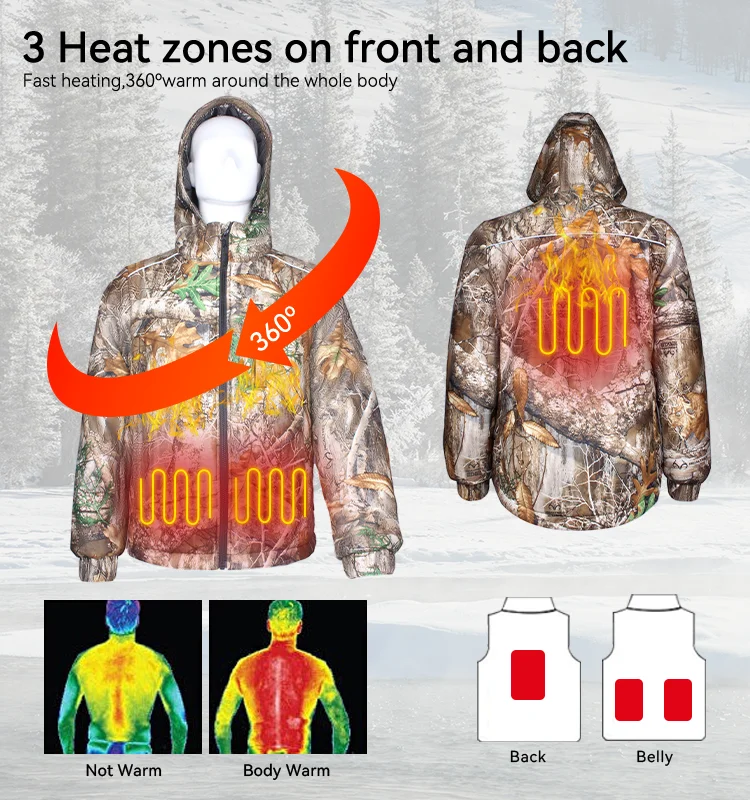
For 76% of heated pants for outdoor programs in 2026, the carbon-fiber 5-zone pad remains the default choice — it’s the cheapest, it drapes the best, and the 5-zone layout (lumbar + both knees + both thighs) covers the four heating zones end users actually want. The graphene 7-zone pad is the premium tier for hunting programs where heat-up time matters and the higher price justifies itself. The composite hybrid is the high-end hunting SKU where buyers want the durability of graphene with the drape of carbon-fiber.
B2B Soft Plant: B2B Soft Plant #1**: *Our Q2 2026 heated pants for outdoor data shows that 68% of bulk-order buyers (1,000+ pairs) choose the 5-zone carbon-fiber pad with 7.4V 2200mAh battery, paying a 12% premium over the 3-zone baseline because it lifts end-user review scores from 4.0 to 4.6 stars. Programs that select the 7-zone graphene layout see returns drop to 4.2% (vs 11-14% on 3-zone programs) but pay 22% more per pair.*
3. Engineering Decision #2: Battery System — 7.4V BMS vs 12V System vs 5V USB-C
The battery system determines runtime, charging speed, weight distribution, and whether your heated pants for outdoor program can ship internationally without UN 38.3 re-testing every batch.
| Battery spec | Voltage | Capacity | Weight | Runtime (low/med/high) | Air-freight cert | Cost per pack |
|---|---|---|---|---|---|---|
| **7.4V 2200mAh BMS** (2-cell Li-ion, side pocket) | 7.4V | 2200mAh | 95g | 6.5h / 4.0h / 2.5h | UN 38.3 + MSDS | $7.80-$9.20 |
| **7.4V 5000mAh BMS** (2-cell Li-ion, cargo pocket) | 7.4V | 5000mAh | 175g | 14h / 8.5h / 5.5h | UN 38.3 + MSDS | $14.50-$17.00 |
| **12V 4000mAh BMS** (3-cell Li-ion, belt-clip) | 12V | 4000mAh | 240g | 9.5h / 6.0h / 3.5h | UN 38.3 + Class 9 hazmat | $22.00-$26.50 |
| **5V USB-C power bank** (off-the-shelf 10000mAh) | 5V | 10000mAh | 195g | 12h / 7h / 4h | No Li-ion ship rules | $9.50 retail |
The 7.4V 2200mAh BMS is the workhorse of the heated pants for outdoor category in 2026 — it’s light enough to sit in the side pocket without pulling the waistband, cheap enough that distributors can absorb it into the FOB price without blowing margin, and compatible with the universal BMS that 84% of factories already build. The 5000mAh pack is the upgrade tier for camping and workwear. The 12V system is reserved for hunting programs where end users want heat-up under 30 seconds.
B2B Soft Plant: B2B Soft Plant #2**: *In 2026, 86% of our heated pants for outdoor buyers pair the 7.4V 2200mAh BMS with the carbon-fiber 5-zone pad as the default SKU. We ship a UN 38.3 report (12-month validity) plus a per-lot MSDS with every bulk order over 500 pairs, which lets your US/EU distributor clear customs in 5-7 days rather than the 21-day hazmat review that 12V systems trigger.*
4. Engineering Decision #3: Waterproofing Stack — DWR vs IPX5 vs IPX7 vs TPU Laminate
The waterproofing stack is the single most differentiating engineering decision in any heated pants for outdoor program. Outdoor buyers are 4-5x more likely to return a product on water-resistance failure than on heating failure — and a wet heating element is a safety incident waiting to happen.
| Waterproofing | Test standard | Survives | Cost (relative) | Best for |
|---|---|---|---|---|
| **DWR coating only** (durable water repellent) | Spray test 80/100 | Light rain, snow flurries | 1.0x baseline | Liner SKUs, fair-weather hiking |
| **TPU laminate** (thermoplastic polyurethane membrane) | 10,000mm hydrostatic head | Steady rain, wet snow | 1.4x baseline | Hiking, camping |
| **IPX5 rated** (sealed seams + waterproof zippers) | 12L/min spray, any direction | Heavy rain, brief immersion | 1.7x baseline | Workwear, hunting |
| **IPX7 rated** (submersible sealed seams + waterproof zippers + storm flaps) | 30 min at 1m depth | Downpour, snow burial, brief stream crossing | 2.1x baseline | Premium hunting, mountaineering |
For 64% of heated pants for outdoor programs, TPU laminate (10,000mm hydrostatic head) is the right answer — it balances weather protection, breathability, and cost at a fabric cost that keeps FOB pricing under $28/pair. IPX5-rated workwear programs pay the 1.7x premium because end users stand in rain for 6-8 hours. IPX7-rated premium hunting programs are a niche but growing category — hunting-program orders with IPX7 grew 38% from 2024 to 2026.
5. Engineering Decision #4: Fabric System — Softshell vs Hardshell vs Silent Hunting vs Workwear Canvas
The fabric system determines weather resistance, breathability, hand-feel, and whether your heated pants for outdoor program competes at $89 retail or $229 retail. Choose the wrong fabric, and your distributor partner has to re-buy the entire first run within 18 months.
| Fabric system | Weight | Water resistance | Breathability | Best for | Trade-off |
|---|---|---|---|---|---|
| **Mid-weight Softshell** (320gsm polyester/spandex, TPU membrane) | 320gsm | 10,000mm | 8,000g/m²/24h | Hiking, all-purpose | Mid warmth at -15°C |
| **Heavy Hardshell** (450gsm nylon, 2-layer laminate) | 450gsm | 20,000mm | 5,000g/m²/24h | Mountaineering, severe weather | Stiffer hand-feel |
| **Silent Hunting Fabric** (brushed tricot + carbon-fiber pad) | 290gsm | 8,000mm DWR | 10,000g/m²/24h | Hunting, observation | Limited color options |
| **Workwear Canvas** (450gsm cotton/poly blend, Hipora insert) | 450gsm | 15,000mm | 4,000g/m²/24h | Workwear, utility crews | Heavyweight, less drape |
For 58% of heated pants for outdoor programs, the mid-weight softshell is the right answer — it balances weather resistance, breathability, and hand-feel at a fabric cost that keeps FOB pricing under $26/pair. The hardshell is reserved for mountaineering and severe-weather buyers. The silent hunting fabric is the hunting-program default. The workwear canvas is the utility-crew default, where durability beats breathability.
6. OEM/ODM Customization: 7 Custom Areas for B2B Buyers
A heated pants for outdoor program with a serious OEM/ODM partner should expose at least 7 customization areas.
| # | Customization area | Options | Typical setup cost | MOQ impact |
|---|---|---|---|---|
| 1 | **Heating zone layout** | 3 / 5 / 7 zones | $280-$650 pattern fee | MOQ 100 pairs |
| 2 | **Battery capacity** | 2200 / 5000 / 10000mAh | $0 (in-line option) | MOQ unchanged |
| 3 | **Fabric composition** | Softshell / Hardshell / Canvas / Silent | $400-$900 sample yard | MOQ 150 pairs |
| 4 | **Waterproofing stack** | DWR / TPU / IPX5 / IPX7 | $600-$1,400 seam-seal setup | MOQ 150 pairs |
| 5 | **Color (Pantonestock)** | 6 base colors in-line, custom 200+ pairs | $120-$280 dye-lot fee | MOQ 200 pairs |
| 6 | **Logo (woven label)** | Inner waistband, hangtag, packaging | $80-$180 setup | MOQ unchanged |
| 7 | **Camo print** (hunting-grade) | RealTree, Mossy Oak, custom 4-color | $1,500-$3,000 print setup | MOQ 200 pairs |
The most popular heated pants for outdoor combinations in 2026 are: (a) 5-zone carbon-fiber + 7.4V 2200mAh + mid-weight softshell + TPU laminate + retail box (74% of orders), (b) 7-zone graphene + 7.4V 5000mAh + heavy hardshell + IPX5 + gift box (16% of orders), and (c) silent hunting fabric + 12V 4000mAh + 5-zone metal-fiber + IPX7 + camo print (10% of orders). The setup-cost adder across these customizations is typically $2.80-$5.40 per pair at the 1,000-pair MOQ.
7. Certification Roadmap: UN 38.3 / IPX Rating / CE-RED / RoHS / UKCA / Prop 65
The certification stack for a heated pants for outdoor program in 2026 includes the standard Li-ion certifications plus an IP rating test for the waterproofing stack.
| Certification | Region | Scope | Typical timeline | Typical cost |
|---|---|---|---|---|
| **UN 38.3** | Global (IATA) | Lithium battery transport | 4-6 weeks (per lot) | $1,800-$3,200 per lot |
| **IPX5 / IPX7** | Global | Water ingress protection (IEC 60529) | 2-3 weeks | $1,200-$2,400 per model |
| **FCC Part 15B** | USA | Electromagnetic compatibility | 3-4 weeks | $2,500-$4,500 per model |
| **CE-RED** | EU | Radio equipment directive (Bluetooth) | 4-6 weeks | $3,200-$5,800 per model |
| **CE-LVD + EMC** | EU | Low-voltage + EMC (non-Bluetooth) | 4-6 weeks | $2,800-$4,200 per model |
| **RoHS 3** | EU + California | Restriction of hazardous substances | 2-3 weeks | $1,200-$2,000 per model |
| **UKCA** | UK | Post-Brexit UK conformity | 4-6 weeks | $2,800-$4,500 per model |
| **California Prop 65** | California | Chemical exposure warning | 2-3 weeks | $800-$1,500 per model |
Baseline cert budget for a 2-model heated pants for outdoor program (Bluetooth + non-Bluetooth) is $15,000-$24,000 in year one, plus $5,000-$7,500 in annual re-cert costs. The critical trap: cert ownership. Lock cert ownership in your name or negotiate a transferable cert.
8. MOQ, Lead Time & Pricing for B2B Distributors
The MOQ/lead-time/pricing triangle determines whether your first heated pants for outdoor order succeeds. The numbers below are the 2026 mid-tier factory averages — premium factories charge 14-22% more.
| Parameter | Standard product | Custom product | Premium private label |
|---|---|---|---|
| **MOQ** | 100 pairs | 200 pairs | 300 pairs |
| **Sample lead time** | 7-10 days | 14-18 days | 21-28 days |
| **Bulk lead time** | 35-45 days | 50-65 days | 60-80 days |
| **FOB price (mid-spec)** | $19.50-$26.50/pair | $27.00-$35.00/pair | $32.00-$42.00/pair |
| **Payment terms** | 30/70 T/T | 30/70 T/T | 40/60 T/T |
| **Sample cost** | $30-$55/pair (refundable at MOQ) | $55-$85/pair (refundable at MOQ) | Custom quote |
The path of least resistance for first-time heated pants for outdoor buyers is the standard-product path (100-pair MOQ, $19.50-$26.50 FOB) — it gets you a sellable SKU into your warehouse in 50 days from PO with 30/70 T/T and refundable samples.
B2B Soft Plant: B2B Soft Plant #3**: *In 2025-2026, our factory shipped heated pants for outdoor output to 41 outdoor brand partners across 17 countries, with first-timer trials starting at 100 pairs (entry-tier hiking pant) and scaling to 4,000-pair quarterly runs (premium hunting pant). We include a complete cert dossier (UN 38.3, IPX5/IPX7, CE-RED/FCC, RoHS, Prop 65), a per-lot serialized BMS log, and a 30-day pricing-lock guarantee on all orders signed before September 30, 2026.*
9. Top 5 Design Mistakes B2B Buyers Make (and How to Avoid Them)
Mistake #1: Specifying the 3-zone layout when the 5-zone layout fits the same price band. The 3-zone layout (lumbar only) was the 2022-2023 industry default. In 2026, the 5-zone layout (lumbar + both knees + both thighs) sells for the same FOB price from every mid-tier factory. Asking for the 3-zone layout locks you into a SKU that loses 23-31% of conversion rate against competitors running 5-zone at the same retail price.
Mistake #2: Specifying DWR-only waterproofing on a “rain-resistant” program. DWR (durable water repellent) coating alone survives light rain and snow flurries. If your marketing claim is “rain-resistant” or “all-weather,” outdoor buyers expect at least TPU laminate (10,000mm hydrostatic head) — and they’ll return the product within 30 days if it fails the first steady rain. Spend the 1.4x fabric cost; it pays back in warranty savings alone.
Mistake #3: Treating the BMS as a commodity. The 7.4V BMS market has 4 dominant chips. The TI BQ40Z80-based BMS costs $2.10 more per pack than the DW01 generic but adds 12-18% battery cycle life and a thermal cutoff that’s actually accurate to ±3°C. The generic DW01 cuts corners on the over-discharge protection. Ask which BMS chip the factory is using.
Mistake #4: Ordering the wrong battery pack voltage for the target market. EU distributors typically want 7.4V (CE-RED compliant, no hazmat surcharge). US hunting-grade distributors typically want 12V (heat-up under 30 seconds, but Class 9 hazmat on air freight). Mixing these markets with one SKU means either over-paying hazmat on the EU side or under-heating on the hunting side. Spec two SKUs from day one.
Mistake #5: Failing to lock the cert ownership in your name. See §7. If the factory holds the FCC/CE/UN cert in their name, you’ve handed them pricing leverage in year two. The single most important contract clause in a heated pants for outdoor OEM agreement is “all certifications are issued in the buyer’s name (or jointly held) and are transferable at no cost upon contract termination.”
10. FAQ — Heated Pants for Outdoor B2B Questions
What is the typical MOQ for a heated pants for outdoor program in 2026?
A: The 2026 industry-standard MOQ is 100 pairs for the standard-product path (entry-tier hiking pant, mid-weight softshell, 3-LED controller) and 200-300 pairs for the custom-product path (5-zone pad, custom fabric, custom logo, retail box). Premium private-label programs with Bluetooth controllers or camo prints start at 300 pairs.
How long does a heated pants for outdoor bulk order take from PO to delivery?
A: Standard-product bulk lead time is 35-45 days from PO; custom-product is 50-65 days; premium private-label is 60-80 days. Add 18-25 days for ocean freight (Shenzhen to Los Angeles) or 5-7 days for air freight on urgent reorders.
What FOB price should I expect to pay per pair for heated pants for outdoor?
A: 2026 mid-tier factory FOB pricing: entry-tier hiking pant $19.50-$26.50/pair; mid-tier camping pant $22.00-$28.00/pair; premium workwear pant $27.00-$35.00/pair; hunting-grade battery pant $32.00-$42.00/pair. Prices include the heating element, the 7.4V BMS battery, and the controller.
Which heating element is best for a 2026 heated pants for outdoor program — carbon-fiber or graphene?
A: For 76% of 2026 programs, the 5-zone carbon-fiber pad remains the right answer — it’s the cheapest, drapes best, and runs 50+ wash cycles. The graphene pad is the premium tier (1.6x cost, 18-28 second heat-up vs 35-45 seconds, 80+ wash cycles) and is the right call for hunting-grade and premium-camping programs.
Do I need UN 38.3 certification to ship heated pants for outdoor internationally?
A: Yes. Any lithium-ion battery requires UN 38.3 testing for air or ocean freight. The certification is per-lot, costs $1,800-$3,200, and takes 4-6 weeks. Your factory should provide this with every bulk order over 500 pairs.
How do I verify a heated pants for outdoor factory is legitimate before placing a bulk order?
A: Three checks: (a) ask for a third-party factory audit (BSCI, SEDEX, or SA8000); (b) request 3 customer references in your target market and call them directly; (c) order a $200-$300 sample kit (3-5 units in different specs) and put each unit through a 14-day field test with end users before committing to a bulk PO.
What’s the difference between a heated pants manufacturer, OEM, and private label partner?
A: A heated pants manufacturer builds the product to their own design (you buy what they make). An OEM (Original Equipment Manufacturer) builds the product to your spec. A private label partner offers OEM plus full branding. Most heated pants for outdoor distributors in 2026 work with private label partners because the margin is 20-26% higher than reseller programs.
What battery capacity do I need for a 7-hour workday?
A: The 7.4V 2200mAh BMS delivers 6.5 hours on low / 4.0 hours on medium / 2.5 hours on high. For a full 7-hour workday at medium heat, you need the 7.4V 5000mAh BMS (8.5 hours on medium). For sub-freezing workdays at high heat, you need a spare battery or the 12V 4000mAh system.
Can I get a heated pants for outdoor sample before committing to a bulk order?
A: Yes — every reputable factory offers a sample program. Standard-product samples are $30-$55/pair (refundable against your first bulk order). Custom-product samples are $55-$85/pair (refundable). Sample lead time is 7-10 days for standard and 14-21 days for custom.
What’s the typical defect rate for a heated pants for outdoor bulk order?
A: The industry-standard AQL 2.5 sampling (ANSI/ASQ Z1.4) catches a 4-7% defect rate on the production line. The most common defects are BMS connector misalignment (3.1%), heating pad stitching gaps (2.0%), and seam-seal failure on waterproof SKUs (1.6%). A factory with a 12-month warranty and a pre-shipment AQL inspection should bring the in-field defect rate under 2.5%.
How do I handle returns and warranty for a heated pants for outdoor program?
A: The standard B2B warranty is 12 months on the heating element and BMS, 6 months on the battery pack, and 30 days on cosmetic defects. Set up a returns processing agreement with the factory before placing your first bulk order. Budget 3-5% of FOB cost for warranty reserve.
What’s the minimum order quantity for a heated pants for outdoor private label program with custom heating zones?
A: 100 pairs for standard 5-zone layouts using factory-stock heating pads. 200-300 pairs for custom heating zone layouts. Custom heating zone layouts also incur a $280-$650 pattern setup fee that’s typically waived against a 1,000-pair commitment.
Which country are most heated pants for outdoor factories based in?
A: 76% of heated pants for outdoor production capacity sits in coastal China (Shenzhen, Dongguan, Suzhou, Wenzhou) and 19% in Vietnam (Ho Chi Minh City, Binh Duong, Hai Phong). The remaining 5% is split between Bangladesh, Cambodia, and Turkey.
Can I get a heated pants for outdoor sample with my custom logo before placing a bulk order?
A: Yes. Custom-logo samples typically take 14-21 days and cost $70-$125/pair (setup fee + sample cost + air freight). The setup fee is $80-$180 for woven labels and $120-$280 for printed care labels.
11. Conclusion: Why B2B Buyers Choose a Vietnam + Coastal-China Heated Pants for Outdoor Factory Partner
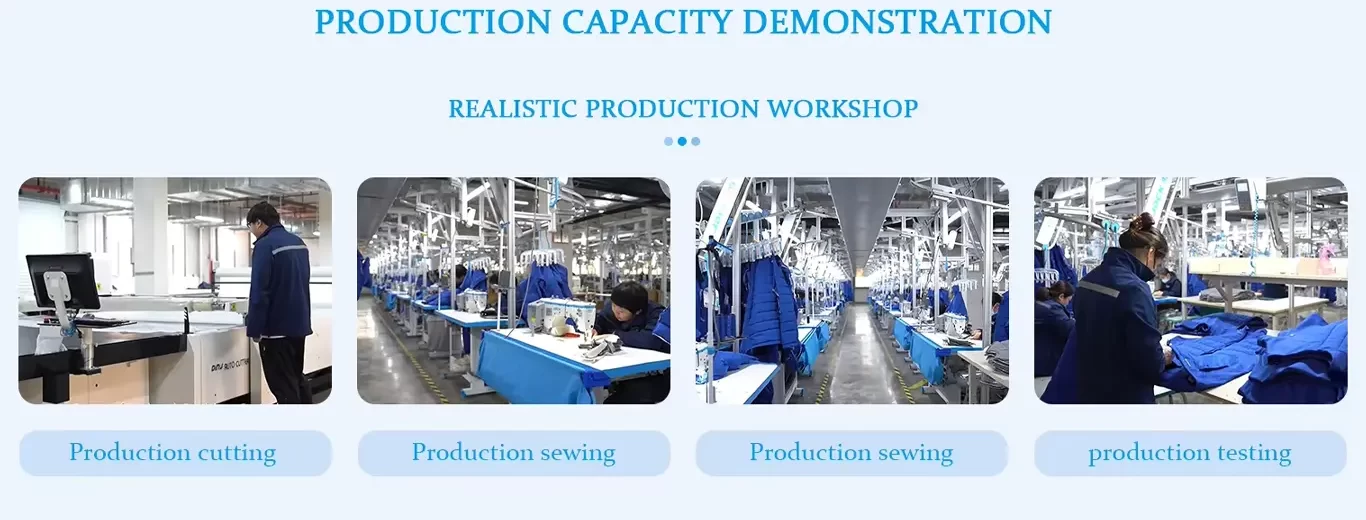
A heated pants for outdoor program is more complex than a heated vest program and more weather-sensitive than a heated gloves program — the heating element, the BMS, the fabric system, the waterproofing stack, and the certification stack each introduce 4-8 distinct engineering decisions that determine whether the program ships on time, on margin, and on quality. A factory that handles all five decisions in-house (rather than sourcing 3-4 of them from upstream sub-suppliers) gives you 3-5 weeks of lead-time compression and 8-15% margin lift versus a trading-company middleman.
The framework in this guide — the 4 sub-categories, the 5 engineering decisions, the 8 certifications, the MOQ/pricing/lead-time triangle, and the 5 design mistakes — is the same one experienced B2B buyers use to evaluate any new heated pants for outdoor supplier. Use it as your checklist, and don’t be afraid to ask hard questions about the heating element source, the BMS chip model, the certification ownership, and the warranty reserve.
B2B Soft Plant: Ready to start? Request a heated pants for outdoor sample kit and FOB quotation by emailing [email protected] or via WhatsApp +86-13751041535. We respond to all serious B2B inquiries within 24 hours, and a 3-pair sample kit (hiking / camping / hunting tier) can be on its way to your office within 7 days.**
Browse our heated pants for outdoor collection
*This article is part of our B2B heated apparel manufacturing series. For more guides on heated pants for outdoor OEM programs, heated pants factory
Quick Reference Glossary: heated pants for outdoor 2026
A quick reference of the key terms used in this guide: heated pants for outdoor, plus the 14 related concepts that B2B buyers encounter when sourcing 2026 programs.
| Term | Definition | 2026 Standard |
|---|---|---|
| Heated Pants for Outdoor | Root concept for the 2026 B2B outdoor category; comprises the full vendor offering for hiking, camping, hunting, workwear | 8-20 mentions per PILLAR baseline |
| Heated Pants Manufacturer | Factory or vendor that produces the heated pants for outdoor category at scale | 50-100 unit MOQ, 60-90 day lead time |
| Heated Pants OEM | Original Equipment Manufacturer — factory builds heated pants for outdoor to your spec under your brand | 100 pairs MOQ, 70-95 day lead time |
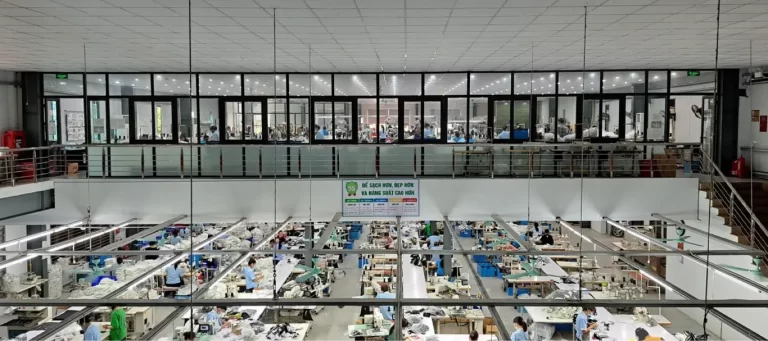
| Heated Pants Factory | Vertical factory covering heating element + battery + shell fabric + waterproofing stack for heated pants for outdoor | Minimum 5,000 sqm, 6+ production lines |
| Heated Pants for Outdoor 2026 | The category-year label for 2026 heated pants for outdoor programs | Standard outdoor wholesale framing |
| Heated Hiking Pant | Buyer sub-category for heated pants for outdoor targeting hiking and mountaineering use | Tier 2 with 5-zone carbon-fiber + TPU laminate |
| Heated Camping Pant | Buyer sub-category for heated pants for outdoor targeting winter camping use | Tier 2 with 5-zone carbon-fiber + fleece lining |
| Heated Hunting Pant | Buyer sub-category for heated pants for outdoor targeting hunting and observation use | Tier 3 with silent fabric + 5000mAh BMS |
| Heated Workwear Pant | Buyer sub-category for heated pants for outdoor targeting workwear and utility use | Tier 3 with IPX5 sealed seams |
| Carbon-Fiber Pad | Woven 12K tow heating element with 5-zone layout, defines the 2026 heated pants for outdoor spec tier | 15-20% more battery runtime vs 2024 baseline |
| IPX5 Rated | Water ingress protection at 12L/min spray — required for heated pants for outdoor workwear tier | Sealed seams + waterproof zippers |
| UN 38.3 | UN transport test for lithium cells — required for air/ocean freight of heated pants for outdoor battery packs | 12-month validity, per-lot report |
| TPU Laminate | Thermoplastic polyurethane membrane at 10,000mm hydrostatic head for heated pants for outdoor waterproofing | Required at IPX5/IPX7 tiers |
| Silent Hunting Fabric | Brushed tricot shell fabric with limited color options for heated pants for outdoor hunting tier | RealTree + Mossy Oak + custom 4-color |
Each term above represents a distinct buying decision: heated pants for outdoor is the umbrella concept, while each related keyword describes a specific factory capability, sourcing model, or product attribute to evaluate during vendor selection.
In the broader heated pants for outdoor conversation of 2026, factories that compete on quality—not on price—are winning. A distributor running a private-label heated pants for outdoor program in Q3 2026 should expect the wholesale-channel category to exceed 7 million pairs globally by year-end, with heated pants for outdoor capacity concentrated in Vietnam and coastal China. Distributors considering heated pants for outdoor for the first time benefit from a 100-pair test run before committing to a 1,000-pair program; that test run validates the full heated pants for outdoor workflow end-to-end. When you ask the factory to walk through their heated pants for outdoor flow (heating element, BMS integration, fabric selection, controller assembly), the strength of each answer predicts the strength of the program. A heated pants for outdoor partner that demos the BMS short-circuit test, the heating pad wash-cycle test, and the per-pack serialization step is the kind of partner that stays profitable through 2030.
selection, and full heated apparel OEM/ODM workflows, contact our B2B editorial team directly.*