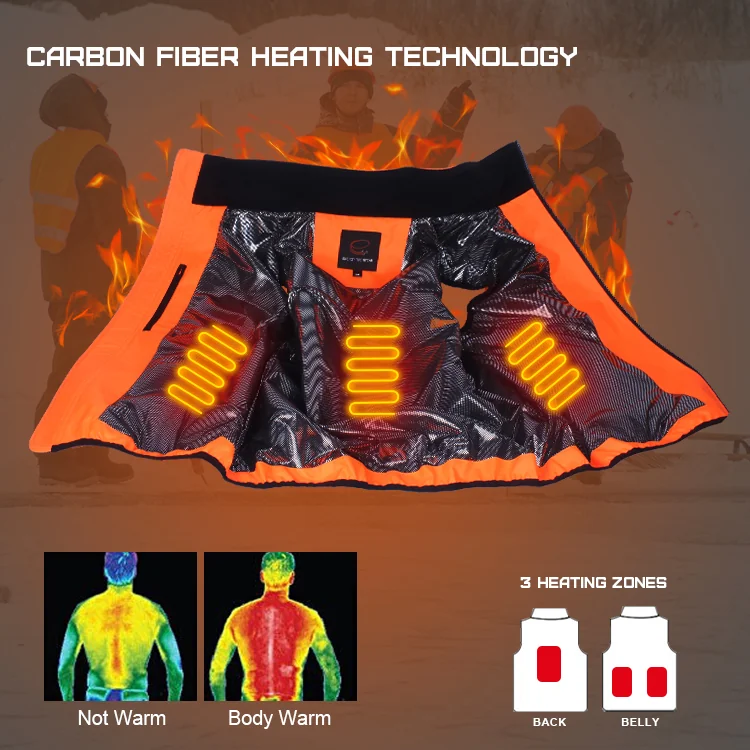
Heated Apparel Unsold Inventory Compliance: A Buyer Acceptance Binder for EU Importers
Regulation (EU) 2024/1781 (the ESPR) entered into force on 18 July 2024 and applies directly in every Member State. Two provisions concern buyers of finished heated apparel in volume: Article 25 bans destruction of unsold consumer products listed in Annex VII from 19 July 2026, and Article 24 requires the discarding operator to publish annual figures online. Heated jackets, vests, hoodies, gloves and socks sit inside Annex VII headings 61 and 62, so they are in scope. There is no product-level EU certificate for heated apparel unsold inventory compliance. That gap is what this binder closes: the questions to ask, the evidence to demand, the money to reserve. Import into the EU under your own label and you are likely the economic operator, carrying the risk twice. See our supply chain coverage and industry news desk.
What the ESPR Article 25 destruction ban changes from 19 July 2026
Article 25(1): from 19 July 2026, the destruction of unsold consumer products as listed in Annex VII shall be prohibited. The paragraph does not apply to micro and small enterprises, and it applies to medium-sized enterprises from 19 July 2030. Article 25(2) closes the workaround: economic operators not subject to the prohibition shall not destroy unsold consumer products supplied to them with the purpose of circumventing that prohibition.
For a heated apparel buyer the ESPR Article 25 destruction ban for heated apparel changes one thing: cancelled production stops being a disposal email line and becomes a documented route you can trace. That is where heated apparel unsold inventory compliance starts, in the purchase order rather than the waste invoice. Article 25(3) lets the Commission amend Annex VII by delegated act; Article 26 requires consolidated destruction information by 19 July 2027 and every 36 months after.
| Date | What changes for buyers |
|---|---|
| 18 July 2024 | ESPR applies directly across EU |
| 19 July 2026 | Destruction ban starts, large enterprises |
| 19 July 2027 | First Commission consolidated report |
| 19 July 2030 | Ban extends to medium enterprises |
When a wholesale buyer becomes the economic operator
The duty lands on the economic operator that discards unsold consumer products, in practice the brand or importer placing the product on the EU market. A wholesale buyer who places heated apparel on the EU market under its own name or label can be that economic operator, which is why your unsold stock and your supplier’s finished-goods decisions both matter. A brand that only sells what its factory shipped may not be the operator, but still owns the commercial risk of a supplier who shreds stock on request.
Two readings are common and both wrong. The ban prohibits destruction rather than licensing a dump, and Article 25(2) means you cannot be handed destroyed goods to evade your obligation. The derogations in Article 25(5) live in delegated acts, so you cannot self-certify one. Your exposure runs through goods you never received.
| Buying structure | Likely operator | Buyer’s exposure |
|---|---|---|
| Import under own label | The buyer | Direct, full exposure |
| Own brand, factory sells direct | Factory or brand | Contractual risk |
| Distributor of EU stock | Importer | Flow-down risk |
Budget $0.83 per unit as a compliance reserve on a 5,000-unit order, which is $4,150 on one purchase order. Ask suppliers for their per-unit compliance cost, because heated apparel unsold inventory compliance OEM work is priced into every quote and only shows as a line item when you ask.
The eight-question supplier acceptance test
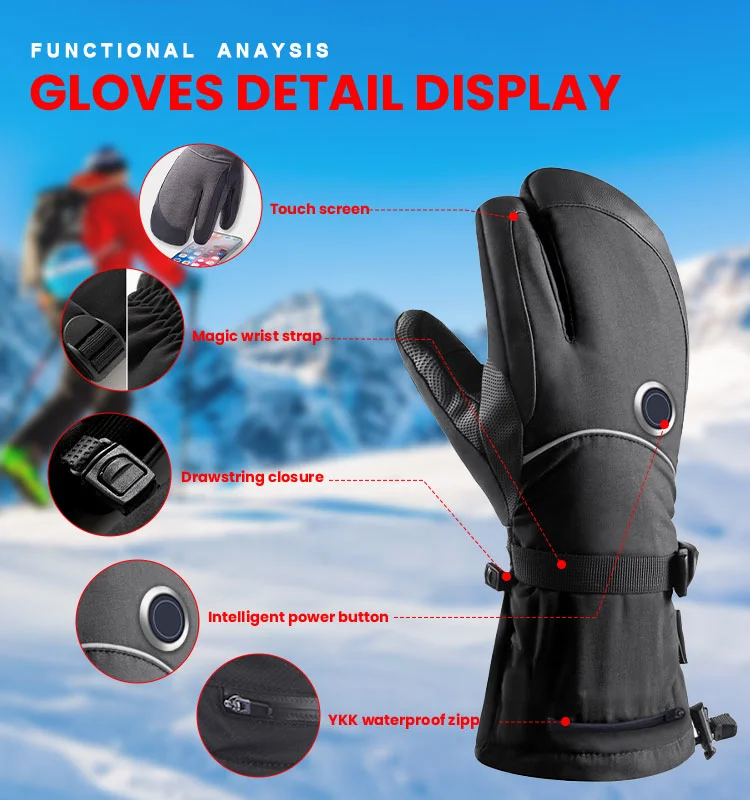
Send these eight questions to every heated apparel manufacturer before signing the next purchase order, and treat the answers as your evidence file. A supplier that declines to answer is telling you something. This is the working core of heated apparel unsold inventory compliance manufacturer conversations: a vague promise becomes a verifiable QA checklist.
1. Do you destroy rejected, cancelled or short-shipped goods? Under what authority?
2. What written notice precedes destruction of headings 61 or 62 apparel?
3. How many units and what weight did you discard last year?
4. What share went to reuse, refurbishment, remanufacturing or recovery?
5. Which Article 25(5) derogation do you rely on, and can you cite the act?
6. Do you authorise your customer to publish your data on its Article 24 page?
7. Will you indemnify a buyer whose authority questions a specific pallet?
8. Do you hold the same evidence for gloves, socks and accessory lines?
| Question topic | Acceptable evidence |
|---|---|
| Destruction authority | Cited delegated act number |
| Volume discarded | Unit and weight by year |
| Recovery split | Percentages by route |
| Consent and indemnity | Signed contract clauses |
Reserve $0.99 per unit for documentation working time across a 5,000-unit order, which is $4,950, assuming an analyst spends about an hour per 500 units reconciling supplier evidence against your stock ledger. Get three quotations: heated apparel unsold inventory compliance wholesale documentation is rarely free and rarely advertised.
Annex VII and the commodity code map for heated apparel lines
Annex VII is titled “Consumer products of which the destruction by economic operators is prohibited”. Its codes and descriptions come from the combined nomenclature as referred to in Article 1(2) of Regulation (EEC) No 2658/87, as set out in Annex I thereto, in the version in force on 28 June 2024. Group 1 covers apparel, Group 2 footwear.
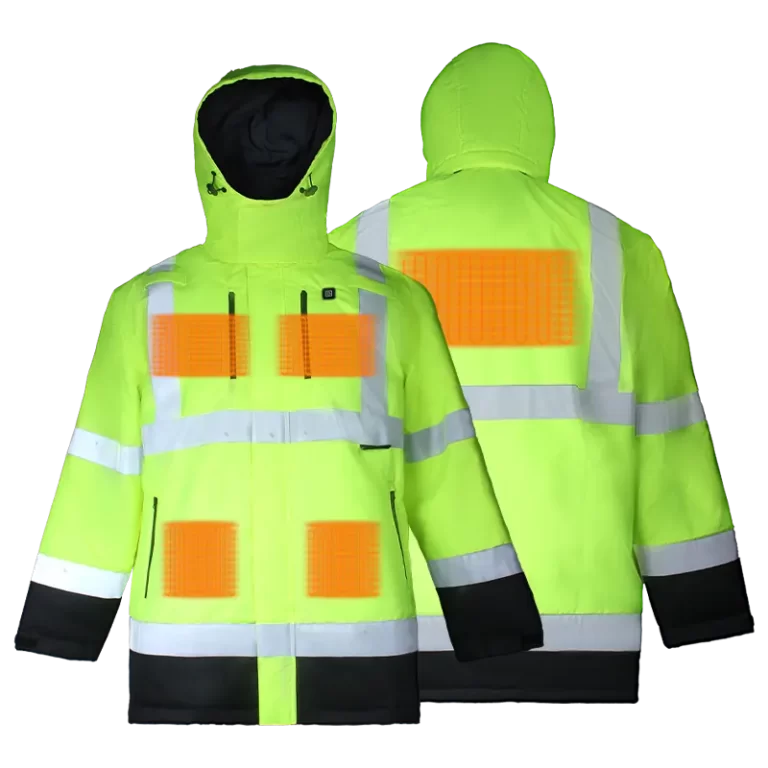
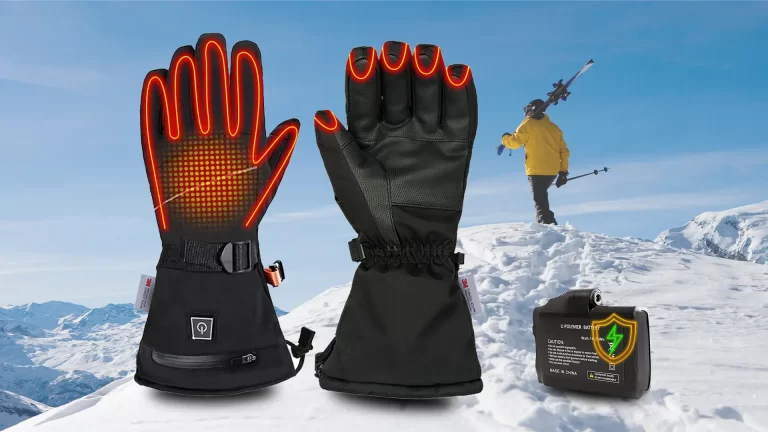
Heated apparel sits squarely inside headings 61 and 62, so it is in scope of the Annex VII apparel commodity code destruction prohibition. Heated apparel is not footwear and not headgear, and suppliers often mix up the categories. A heated jacket under heading 6201 or 6211 is covered, and a heated gloves line may sit under 6116, so map every SKU. Heated apparel unsold inventory compliance starts with a correct code map, recorded against your SKU master and stock ledger together, because both must reconcile before you can publish anything.
| Group | Codes | Heated apparel position |
|---|---|---|
| 4203 | Leather articles | Rarely heated |
| 61 | Knitted apparel | Core scope |
| 62 | Non-knitted apparel | Core scope |
| 6504 and 6505 | Headgear | Not heated apparel |
| 6401 to 6405 | Footwear | Not heated apparel |
Article 24 disclosure: the four numbers you must be able to publish
The ESPR Article 24 unsold consumer products disclosure duty is a procurement document, not a legal formality. Article 24(1) requires disclosure of the number and weight of unsold consumer products discarded per year, differentiated per type or category; the reasons for discarding and, where applicable, the relevant derogation under Article 25(5); the proportion delivered to preparing for reuse including refurbishment and remanufacturing, recycling, other recovery including energy recovery, and disposal under the waste hierarchy in Article 4 of Directive 2008/98/EC; and measures taken and planned to prevent destruction.
Disclosure must be clear and visible on an easily accessible page of your website, annually, covering the preceding financial year, with the first disclosure covering the first full financial year the Regulation is in force. It does not apply to micro and small enterprises and applies to medium-sized enterprises from 19 July 2030.
The derogation you cite must exist in a delegated act. Buyers routinely accept an “IP” or “quality” reason to destroy stock, and neither is a standalone derogation for apparel rejection unless the act says so. That gap is the most common finding in heated apparel unsold inventory compliance reviews.
| Disclosure item | Source of the number | Practical owner |
|---|---|---|
| Number and weight discarded | ERP stock write-off log | Operations |
| Reasons and derogation | Disposal decision record | Compliance |
| Recovery split | Processor weight tickets | Logistics |
| Measures taken and planned | Policy and capex plan | Management |
Article 25(5) derogations: what the delegated acts allow and why you cannot self-certify one
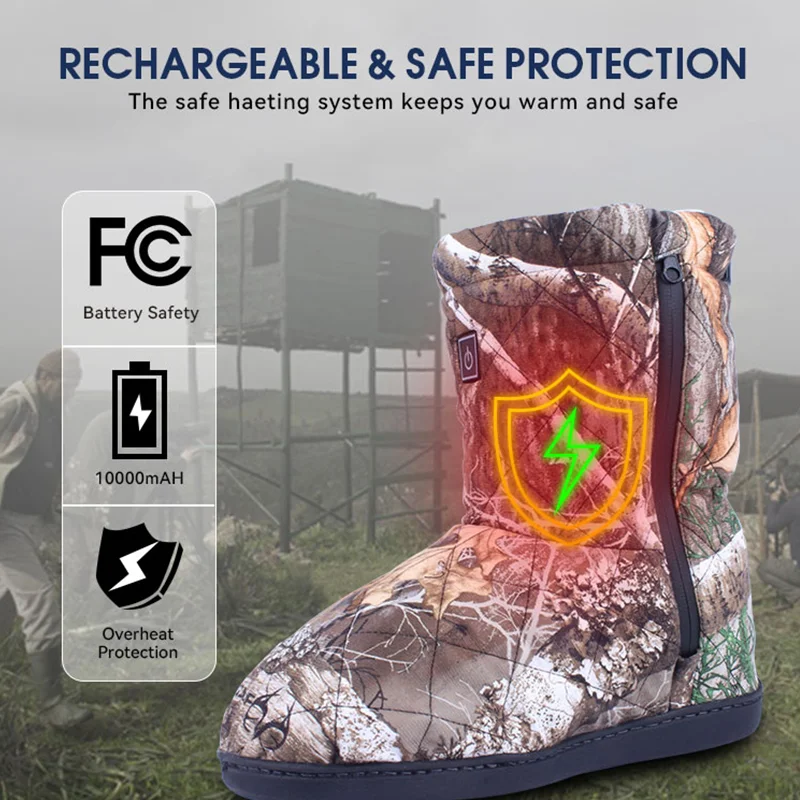
Article 25(5) empowers the Commission to set out derogations from the prohibition for health, hygiene and safety reasons; damage caused by handling or detected after returns that cannot be repaired cost-effectively; unfitness for the intended purpose; non-acceptance of products offered for donation; unsuitability for preparing for reuse or remanufacturing; unsaleability due to intellectual property infringement, including counterfeit goods; and destruction as the option with the least negative environmental impacts. The first delegated act was to be adopted by 19 July 2025.
A buyer or supplier cannot self-certify a derogation under Article 25(5). The derogations exist only where a delegated act has adopted them, and your file must cite the act, not a belief. This is the most common gap in heated apparel unsold inventory compliance documentation across Asian sourcing. Three documents make a derogation defensible: a charity’s written refusal, a costed repair assessment, and a per-unit sorting record. Ask for them at sample approval.
| Derogation theme | Buyer test before accepting it |
|---|---|
| Health and safety | Cite delegated act text |
| Handling or transit damage | Repair cost assessment attached |
| Unfit for intended purpose | Product spec reference stated |
| Donation refused or unsuitable for reuse | Written refusal and sorting log |
| Intellectual property, incl. counterfeit | Rights holder instruction |
The four routes for unsold heated apparel and the reserve you should carry
A compliant buyer treats unsold heated apparel as a routing decision with four options, in the order of the waste hierarchy in Article 4 of Directive 2008/98/EC: preparing for reuse, including refurbishment and remanufacturing; recycling; other recovery, including energy recovery; and disposal. Destruction is the least negative environmental option, and only where a delegated act allows it.
Send every unsold heated jacket through one worksheet, because unsold heated jacket liquidation and export compliance now travel together. The same pallet may be diverted to a secondary market in a third country, yet the disposal record must show which route it took. Keep the liquidation agreement and processor record with your Article 24 numbers.
Carry a 2.8% return and rework rate reserve against a 5,000-unit order, which is $4,000. That covers rework, relabelling and rerouting of units that come back from the secondary channel, and it keeps a liquidation decision from becoming an unplanned destruction event. It is a core line of heated apparel unsold inventory compliance in any cost model you build.
| Route | Typical heated apparel case | Evidence to hold |
|---|---|---|
| Reuse and remanufacture | Unsold overstock, unworn | Sorting log per unit |
| Recycling | Blended shell garments | Processor weight ticket |
| Other recovery | Damaged or irreparable | Recovery certificate |
| Disposal | Destruction only if allowed | Cited delegated act |
Three supplier claims to reject in writing
Some claims sound reasonable and still leave you exposed. Put the rejection in the purchase order, not an email thread.
Claim one: “We destroy stock routinely, but it is outside Annex VII.” Test it against your SKU-level code mapping under the Annex VII apparel commodity code destruction prohibition. Headings 61 and 62 cover heated apparel, so the claim is usually wrong.
Claim two: “Our destruction is justified by Article 25(5).” Ask for the delegated act. A supplier asserting a derogation without citing it wants you to accept an unverified legal position, and it is the most common failure in heated apparel unsold inventory compliance OEM audits.
Claim three: “We are micro, so the ban does not apply to us.” Size carve-outs follow the operator, not the factory, and the medium-sized enterprise date is 19 July 2030. Confirm your own status and treat the supplier’s as irrelevant to your duty. Name the evidence you accept instead: the delegated act reference, the sorting record, the processor weight ticket.
The 60-day buyer acceptance calendar
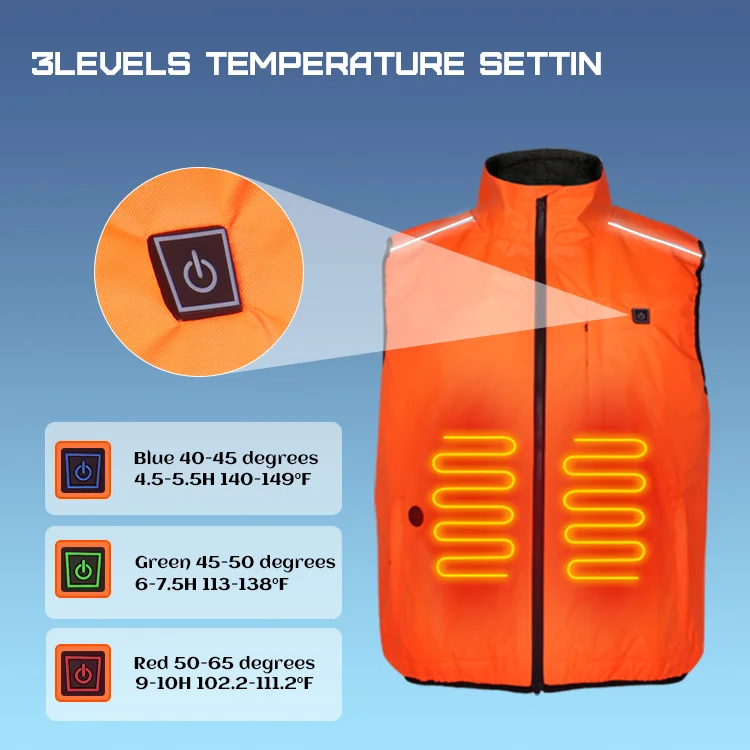
Compliance here is a sequence of decisions with deadlines, not a document you file once. Most buying teams discover the gap at inventory close, the worst possible time. Run it once per supplier, then yearly, keeping one binder each. The cost of running it early is hours. The cost after an authority question is your whole disclosure page, plus the audit, plus the commercial conversation with your brand partner. Treat heated apparel unsold inventory compliance as a line item you own rather than a certificate you were told to collect.
| Day | Action | Owner |
|---|---|---|
| 1 to 15 | Map SKUs to Annex VII codes | Merchandising |
| 16 to 25 | Issue eight-question test | Sourcing |
| 26 to 35 | Score supplier evidence file | Compliance |
| 36 to 45 | Build Article 24 disclosure workflow | Finance |
| 46 to 60 | Negotiate clauses, set reserve, review | Legal and Operations |
Frequently asked questions
Does the Article 25 destruction ban apply to heated jackets sold in the EU?
Yes. Heated apparel falls inside Annex VII headings 61 and 62, from 19 July 2026.
Is there an EU certificate that proves a heated garment is compliant?
No. No product-level certificate exists for unsold inventory compliance.
Does a buyer that only resells EU stock count as an economic operator?
Usually not, unless you place the product on the EU market under your own name or label.
Are small suppliers exempt from the destruction ban?
Micro and small enterprises are exempt. Medium-sized enterprises are covered from 19 July 2030.
Can a supplier self-certify an Article 25(5) derogation?
No. The derogations exist only in delegated acts adopted by the Commission.
What four things must the Article 24 disclosure page contain?
Number and weight discarded, reasons and derogation, recovery split, and measures taken and planned.
Does a heated gloves line fall under Annex VII?
Yes. Knitted gloves sit under heading 61, so map every SKU, not only jackets.
When is the first Commission consolidated destruction report due?
By 19 July 2027, then every 36 months thereafter under Article 26.
Is exporting unsold heated apparel to a third country a workaround?
No. Article 25(2) bars destruction supplied to circumvent the prohibition.
How long should a supplier evidence file be retained?
Keep it for the disclosure cycle covering the preceding financial year, plus reviews.
What does the buyer lose if the factory shreds cancelled goods?
Evidence, and with it any defensible answer to the four Article 24 questions.
Where should a buyer record the unit and weight discarded?
In the ERP stock write-off log, reconciled against processor weight tickets.