Wholesale Heated Apparel Chemical Management 2026: the Buyer Acceptance Binder for MRSL V4.0 and Higg FEM 4.0
Start with the uncomfortable part of heated apparel chemical management in 2026. Neither ZDHC MRSL V4.0 nor Higg FEM 4.0 is EU law, and neither is legally required for a finished heated garment sold in Europe. What requires them is the brand you buy for, which writes MRSL V4.0 conformance into purchase orders, and the compliance audit that follows when they ask why your supplier file is thin.
This is the buyer acceptance binder: what a wholesale buyer must receive from a heated apparel chemical management manufacturer before the deposit clears, how to test whether the file is real, and the gate that stops the order when it is not. The legal layer is context here and has been covered elsewhere.
What ZDHC MRSL V4.0 Changed for a Wholesale Buyer
ZDHC MRSL V4.0 keeps the core definition: a unified list of substances banned from intentional use in manufacturing, first released in 2015, aimed at chemical inputs at the start of manufacturing rather than finished-product testing. What changed for a buyer in heated apparel chemical management is the unintentional PFAS language. MRSL V4.0 sets limits for unintentional PFAS contamination in formulations and applies the OECD (2021) definition of PFAS when conformance is assessed. Certifiers use a risk-based approach combining document review with analytical testing, including total fluorine testing and targeted PFAS analysis. A supplier who sends a logo instead of numbers has not shown you heated apparel PFAS conformance.
| What MRSL V4.0 changed | Why a buyer cares |
|---|---|
| Unintentional PFAS limits | Formulation level, not garment level |
| Individual PFAS limit | Below 25 micrograms per kilogram |
| Sum of all PFAS limit | Below 250 micrograms per kilogram |
| OECD (2021) PFAS definition | Rules out narrow PFAS claims |
| Preferred wording | No intentionally added PFAS |
The Voluntary Standard, the Binding Contract
Say it plainly to every supplier you qualify: the MRSL does not bind you legally, the purchase order does. MRSL V4.0 and Higg FEM 4.0 are voluntary supply-chain standards. No EU regulator requires a heated vest to carry MRSL conformance. What enforces them is the brand that wrote the clause into your order, and the audit that follows when their compliance lead asks why the file is thin. Any heated apparel chemical management wholesale desk that treats the standard as optional is one rejected container away from a margin problem.
Put exposure on the page. A 5,000-unit order at $28.40 FOB is $142,000 of exposure sitting with you once the container is on the water. One refused purchase order, rejected because a retail chain’s chemical reviewer could not validate the documentation set, costs more than the entire annual chemical compliance budget of a mid-size importer. The standard is voluntary. The exposure is not.
| Instrument | Legal status | What enforces it |
|---|---|---|
| ZDHC MRSL V4.0 | Voluntary standard | Purchase order clauses |
| Higg FEM 4.0 | Voluntary standard | Customer compliance audits |
| REACH (EC) No 1907/2006 | EU regulation | National enforcement |
| POPs (EU) 2019/1021 | EU regulation | National enforcement |
What a Supplier Must Hand You for MRSL V4.0
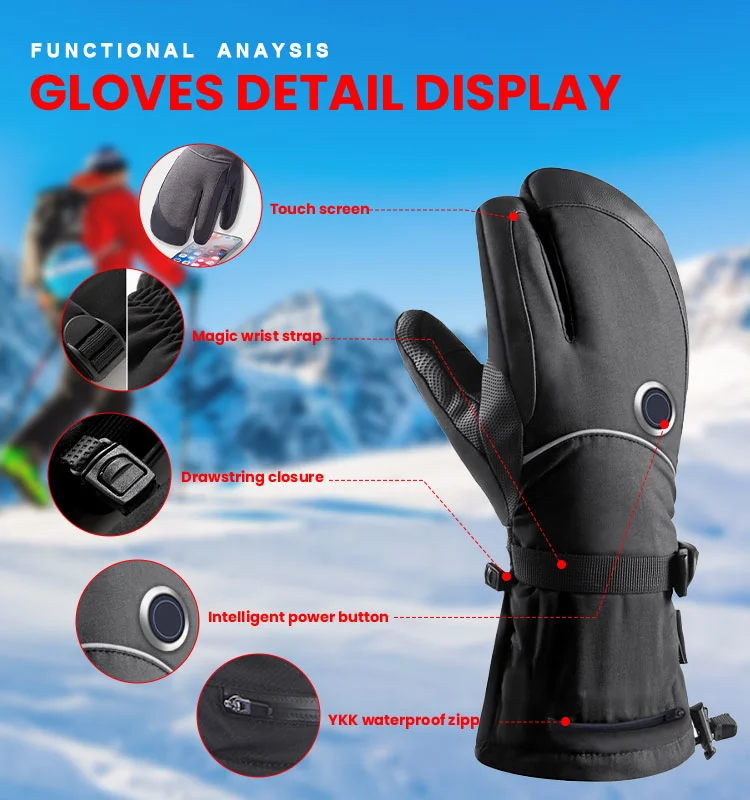
Ask for the file, not the claim. A heated apparel chemical management OEM that has never maintained a chemical inventory cannot produce a credible MRSL V4.0 package on request, so ask in the first supplier questionnaire and treat a blank answer as a qualification failure. Two documents do most of the work: the chemical inventory listing every input by component, and the PFAS evidence supporting the MRSL V4.0 statement. The rest, including lab reports, certificates and change logs, prove the file is current rather than assembled for the request.
Budget the acceptance work as a per-unit line, not a rounding error. A chemical management acceptance reserve of $0.83 per unit equals $4,150 on a 5,000-unit lot, and $0.99 per unit of documentation working cost equals $4,950 more on the same lot. That $9,100 buys a heated apparel MRSL conformance position you can defend in a customer audit, which is cheaper than re-sourcing a booked container.
| Document | What it must contain | Your gate |
|---|---|---|
| MRSL V4.0 conformance statement | Version, date, scope | Reject unnamed version |
| Chemical inventory | Inputs per component | Reject missing inputs |
| PFAS evidence | Total fluorine, targeted PFAS | Numbers, not adjectives |
| Laboratory reports | Test method, sample date | Over twelve months old |
| Formulation change log | Formulator, change date | Reassess on change |
Three Supplier Claims to Reject in Writing
Three sentences come back on almost every heated apparel sourcing project, and each one needs a written rejection. Ask a heated apparel chemical management manufacturer for the missing input names rather than reassurance, reply in the same channel, and attach the exchange to the supplier record. A verbal answer is not an audit trail, and heated apparel chemical management needs a trail that survives a review nine months after the order.
| Supplier claim | Why it fails | Your written reply |
|---|---|---|
| “We are MRSL certified” | Version and scope unnamed | Name version, date, scope |
| “Our fabric is PFAS-free” | Unsupported product claim | Require no intentionally added |
| “Ink and battery are the same” | Hides input-level change | List ink and pack separately |
Five Questions That Expose an Incomplete Chemical File
Five questions, asked in writing, sort a supplier into file or no file. A heated apparel MRSL conformance claim without a named version is a marketing sentence, not evidence.
Which MRSL version, and what is the date on the statement?
An unnamed version means evidence for a superseded standard.
Which components does the statement cover?
Ink, wire, insulation, housing, contacts and DWR must each appear in the heated apparel chemical inventory by name.
Show the per-substance PFAS numbers and the total.
The limits sit below 25 micrograms per kilogram for one PFAS and below 250 for the sum.
When were the samples pulled, and by which laboratory?
A report older than twelve months describes a formulation you no longer buy from them.
Who changed the formulation last, and when did they change it?
A formulator swap invalidates the file even when nothing else moved.
Keep the answers in the supplier record. Our supply chain coverage tracks how these documents travel between brands and factories.
The Heated Garment Components Where the Chemistry Actually Sits

Chemical risk in heated apparel is not evenly distributed, and the heat path is where substitution is hardest. Printed conductive ink and carbon heating elements carry solvent and binder chemistry no buyer can swap later. Nickel-chrome and copper-nickel resistance heating wire brings in drawing lubricants and surface coatings. Off the heat path, the thermoplastic polyurethane battery pack housing raises plasticiser questions, nickel-plated pack contacts raise nickel release, and silicone and PTFE insulation carries its own input history. Reactive-dyed shell fabric and durable water repellent finishes sit at the surface, where azo colourants and formaldehyde questions land.
| Component | Where the chemistry sits | Chemical group constraining it |
|---|---|---|
| Printed conductive ink | Heating trace, printed panel | Solvents, inks, azo colourants |
| Resistance heating wire | NiCr and CuNi element | Drawing lubricants, coatings |
| TPU battery housing | Injection-moulded pack shell | Plasticisers, certain phthalates |
| Nickel-plated pack contacts | Terminal plating on the pack | Nickel release from skin contact |
| DWR finish | Shell surface treatment | Fluorinated repellents |
Map each row to an inventory entry. This is where heated apparel chemical management earns its fee, and where heated apparel PFAS conformance is proven or lost.
What the Buyer Acceptance Binder Costs You
The binder is not free, and pretending otherwise only moves the cost. Budget it per lot: an acceptance reserve per unit, documentation working time, targeted retests when a report has expired, and an external review for suppliers you cannot verify from the file alone. Line the figures against the $142,000 exposure of one 5,000-unit order and the arithmetic stops being interesting. Most of it is per unit and scales with volume; the external review does not, which is why it belongs to a dedicated heated apparel chemical management budget line.
One line in this table is worth the rest. An external chemical-evidence review set up costs about $11,600 per supplier file, and it is the only line in the binder that catches a formulation change made by a formulator the factory does not control. Everything else you can verify by reading.
| Line item | Basis | 5,000-unit lot |
|---|---|---|
| Acceptance reserve | $0.83 per unit | $4,150 |
| Documentation work | $0.99 per unit | $4,950 |
| External evidence review | Per supplier file | About $11,600 |
| Retest contingency | Set per category | Variable |
Higg FEM 4.0 Verification and Your Own Customer Audit
Higg FEM 4.0, maintained by Cascale and published on cascale.org and howtohigg.cascale.org, is the facility scorecard your customer’s sustainability team will request. Its seven focus areas run 01 Environmental Management Systems, 02 Energy Use and Greenhouse Gas Emissions, 03 Water Use, 04 Wastewater, 05 Air Emissions, 06 Waste Management, 07 Chemical Management. That last area is where the heated apparel chemical inventory surfaces in the score.
The calendar is fixed. Higg FEM 2025 went live on the Worldly platform on 6 November 2025. Self-assessments could be posted from 1 January 2026; 30 April 2026 was the recommended posting date; 31 October 2026 is the module purchase deadline; 31 December 2026 is the deadline by which the verification process for Higg FEM 2025 self-assessments closes. EFRAG has recognised the Higg FEM as a credible, EU-aligned sustainability reporting tool for SMEs. In May 2026 Cascale announced an aligned industry definition of Foundational Environmental Performance, developed with 80 stakeholders across more than 30 organisations. The Higg FSLM Converged Assessment Framework is developed on the SLCP framework. Track the direction of travel in our heated apparel industry news.
| Milestone | Date |
|---|---|
| FEM 2025 live on Worldly | 6 November 2025 |
| Self-assessment posting opens | 1 January 2026 |
| Recommended posting date | 30 April 2026 |
| Module purchase deadline | 31 October 2026 |
| Verification process closes | 31 December 2026 |
The Pre-Deposit Acceptance Test Before You Order
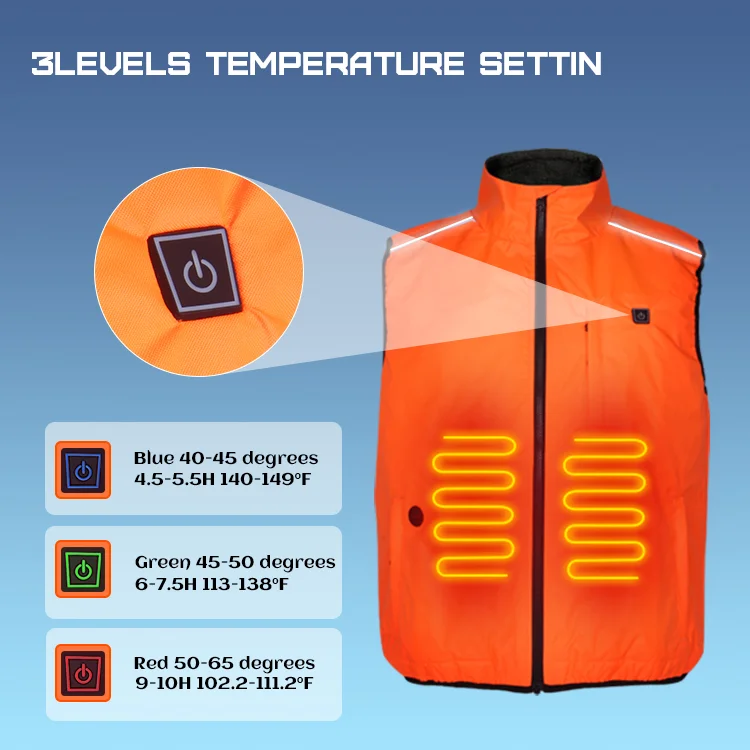
Run the sequence before the deposit clears, on every new supplier and every new season’s file. Qualification does not expire by default; the file does. If a heated apparel chemical management OEM cannot return a complete file inside your window, either the supplier is not ready for the brands you sell into, or the file is not what it claims. Both answers mean no deposit.
| Step | Gate | Fail action |
|---|---|---|
| Step 1 | Version named | Return the file |
| Step 2 | Component scope complete | Request missing inputs |
| Step 3 | PFAS numbers supplied | Withhold the deposit |
| Step 4 | Reports and dates current | Order targeted retest |
| Step 5 | Clause signed | Escalate, do not ship |
Write the acceptance clause into the purchase order itself, so the obligation survives the negotiation and the invoice, then keep the file with the lot records for the life of the product. It also makes you a credible heated apparel chemical management wholesale partner to the brands above you.
Frequently Asked Questions
Is ZDHC MRSL V4.0 legally required for heated apparel sold in the EU?
No. It is a voluntary supply-chain standard, not EU law, and no regulator requires it for finished garments.
Why does my purchase order mention MRSL V4.0?
Because the brand you supply to writes the clause into the order, and their compliance audit follows the chain to you.
What changed in MRSL V4.0 for buyers?
It sets unintentional PFAS limits: below 25 micrograms per kilogram for an individual PFAS and below 250 for the sum.
Should suppliers write “PFAS-free” on documentation?
No. ZDHC recommends communicating no intentionally added PFAS, which avoids a claim the supplier cannot evidence.
Do I need finished-garment PFAS testing on every order?
Not automatically. The MRSL targets chemical inputs at the start of manufacturing, so request formulation evidence first.
How long should a supplier chemical file stay valid?
Set your own window, commonly twelve months. Any formulation change restarts the review and the dates.
Does the Chemical Watchlist restrict a substance?
No. Chemical Watchlist V1.0 lists 1,673 substances of concern for reporting and transparency, not for restriction.
What does Higg FEM 4.0 ask about chemicals?
Focus area 07 covers chemical management, one of seven focus areas scored across the facility.
When did Higg FEM 2025 self-assessments become postable?
Posting opened on 1 January 2026, with 30 April 2026 recommended and 31 October 2026 the purchase deadline.
When does Higg FEM 2025 verification close?
Verification closes on 31 December 2026, so a facility file missing that date cannot be recovered this year.
What if a supplier refuses to share the chemical inventory?
Treat it as a failed gate. Without input names you cannot write a defensible heated apparel MRSL conformance clause.
Does REACH apply to the same file?
Yes, separately and legally: REACH (EC) No 1907/2006 covers azo colourants, formaldehyde, certain phthalates, PAHs and nickel release.