Heated Apparel Manufacturing Process 2026: B2B Production Guide
This guide walks B2B buyers through the end-to-end heated apparel manufacturing process in 2026. If you are sourcing private label heated clothing, OEM workwear, or ODM consumer gear, understanding the production sequence will help you evaluate suppliers, plan lead times, and avoid the most expensive mistakes first-time buyers make. We will break down the 9-stage production flow from tech pack to ship-out, explain the three heating element technologies in commercial use today, share 2026 wholesale cost ranges, and surface the 6 QC checkpoints that protect your brand reputation.
The heated apparel category is no longer a frontier. Global retail sales crossed USD 4.8 billion in 2025, and the supply base has consolidated into roughly 40 serious OEM/ODM factories worldwide. Of those, only about 18 can certify to UL 60335-2-81 for US battery distribution. That consolidation means buyers have fewer suppliers to choose from, but the surviving suppliers are stronger, better documented, and more transparent about their production process than the fragmented landscape of 2018-2022.
What Is the Heated Apparel Manufacturing Process?
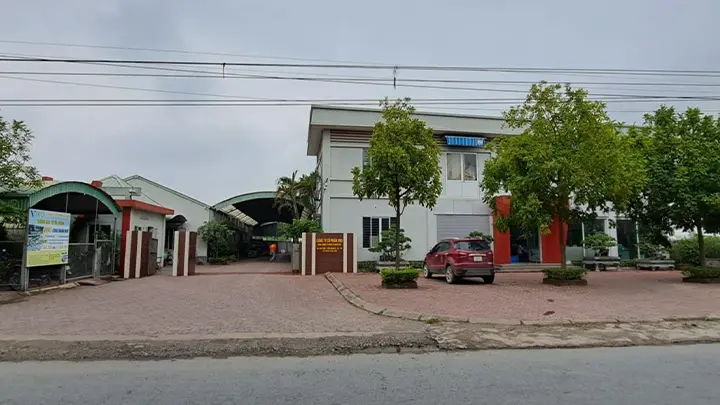
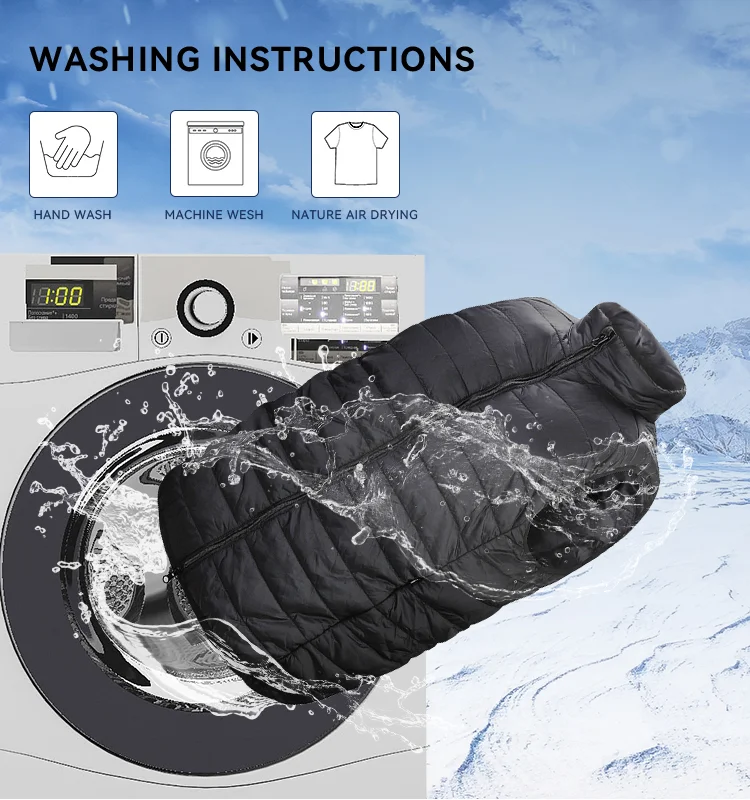
The heated apparel manufacturing process is the integration of three subsystems into a wearable garment: a flexible heating element, a rechargeable lithium-ion battery pack, and a glove-friendly controller. The process differs from traditional apparel manufacturing because the heating panel, the wiring harness, and the battery integration each introduce failure modes that a conventional sewing line has never encountered. A factory that has not invested in dedicated heating element integration equipment will produce a garment that fails the wash cycle test within the first 10 wash cycles.
The Three Subsystems in Modern Heated Apparel
| Subsystem | Origin Industry | Key Specification | Failure Mode |
|---|---|---|---|
| Heating Element | Flexible electronics | Resistance per zone, bend cycles | Hot spots, open circuits |
| Battery Pack | Consumer electronics | Capacity (mAh), voltage, certification | Capacity fade, safety |
| Controller | IoT / small appliances | Heat output, IP rating | Calibration drift, water ingress |
Stage 1: Tech Pack and Feasibility Review
The heated apparel manufacturing process always starts with a tech pack. Your supplier should provide a written feasibility review within 48 hours of receiving your brief. If they cannot, walk away.
What Goes Into a Heated Apparel Tech Pack
A serious tech pack includes 11 components: garment pattern, BOM (bill of materials), heating element specification (resistance, wattage, dimensions), battery specification (capacity, voltage, chemistry), controller specification (heat levels, button layout, LED indicators), wiring harness diagram, packaging specification (polybag, hangtag, box), care label text, QA matrix, target cost breakdown, and target landed cost breakdown. If any of these 11 are missing, you have a marketing document, not a tech pack.
Stage 2: Material Selection
Material selection is where the heated apparel manufacturing process either locks in your cost curve or your cost ceiling. There are three material decisions that matter: shell fabric, lining fabric, and insulation.
Shell Fabric Options
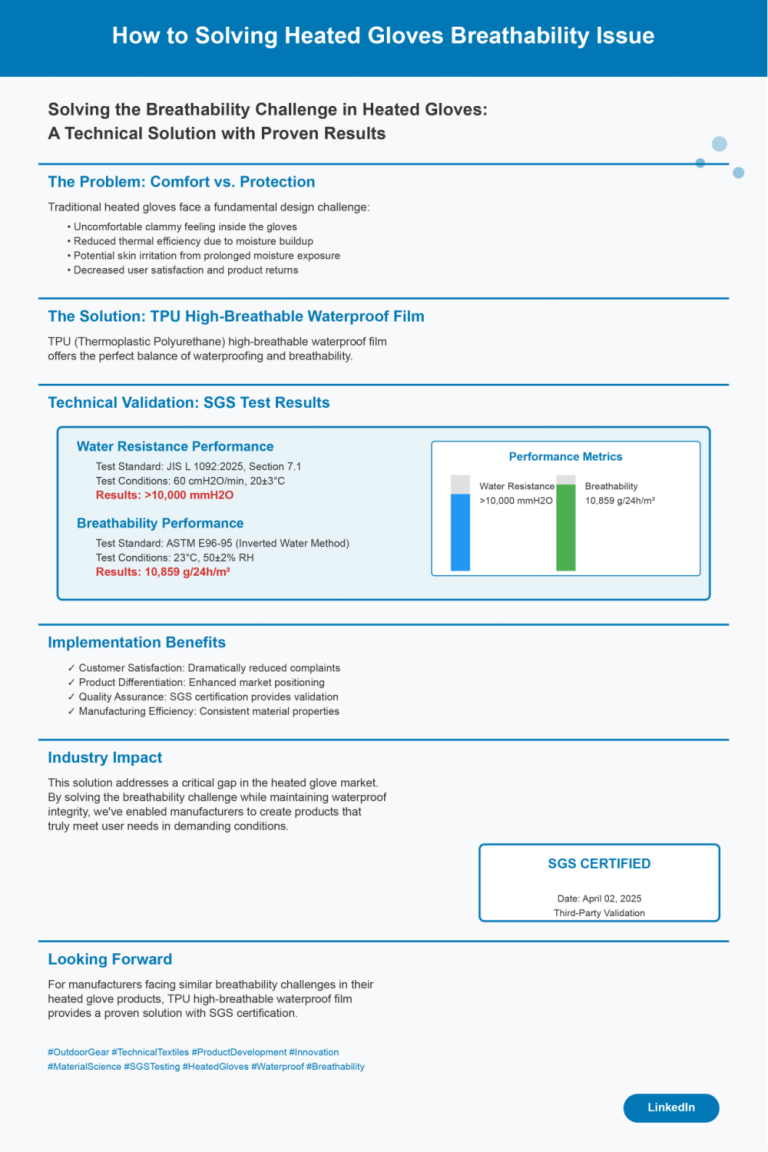
Shell fabric options for heated apparel fall into three categories. Softshell (typically 92% polyester / 8% spandex, 300-320 gsm) is the standard for outdoor and workwear programs because it delivers wind resistance, four-way stretch, and decent breathability. Hardshell (nylon or polyester with PU or TPU coating, 150-200 gsm) is for rain and snow applications. Stretch woven (88% polyester / 12% spandex, 180-220 gsm) is for fashion-forward programs that prioritize drape over weather protection.
Lining Fabric and Insulation
Lining fabric typically uses a brushed polyester or a fleece-back construction to wick moisture and improve comfort against the skin. Insulation choices include synthetic down alternatives (Primaloft-style, 100-200 gsm), genuine down (550-800 fill power, used less frequently in heated apparel because the heating element does the heavy lifting), and no insulation at all for layering pieces designed to be worn under a shell.
Stage 3: Heating Element Integration
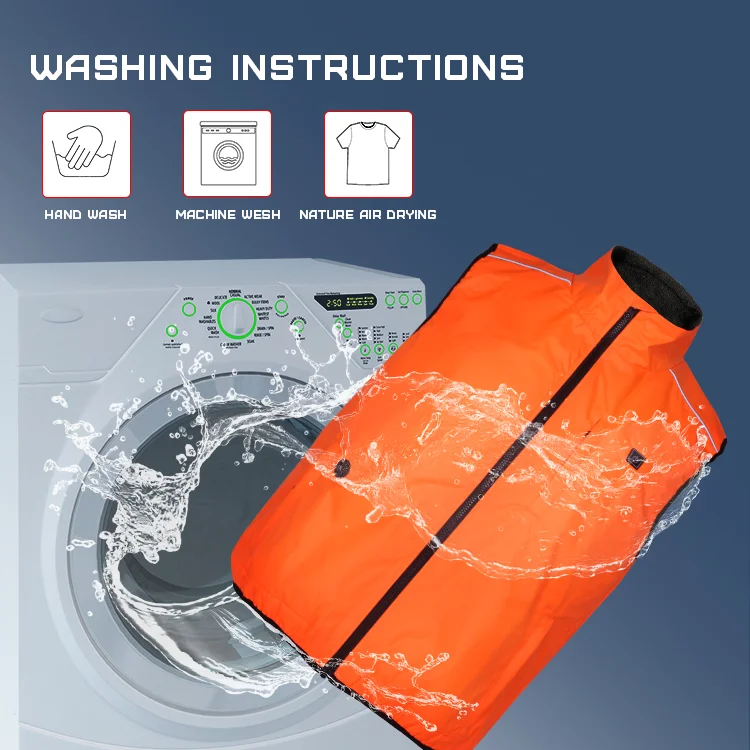
Heating element integration is the most technically demanding stage of the heated apparel manufacturing process. The element must be sewn, laminated, or bonded into the garment in a way that survives 50+ machine wash cycles without losing resistance continuity or thermal distribution.
Three Heating Element Technologies
| Technology | Heat Distribution | Bend Cycles | Wash Cycles | Cost per Panel | Lead Time |
|---|---|---|---|---|---|
| Graphene Film | Full-surface even | 10,000+ | 50+ | $$$ | 14-21 days |
| Carbon Fiber | Directional | 5,000-7,000 | 30-40 | $$ | 7-14 days |
| NiCr Wire | Hot spots | 1,500-2,500 | 15-25 | $ | 3-7 days |
For 2026 retail programs, graphene film is the premium choice for private label OEM programs retailing above USD 200, carbon fiber is the mid-tier default for ODM programs retailing USD 100-180, and NiCr wire is appropriate only for entry-level programs where price beats performance.
Panel Placement Strategy
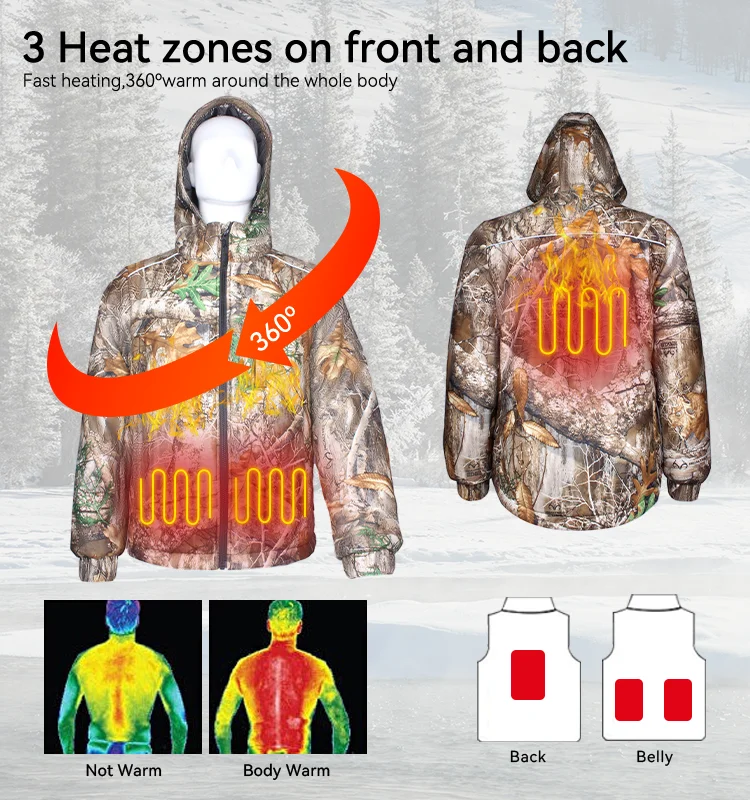
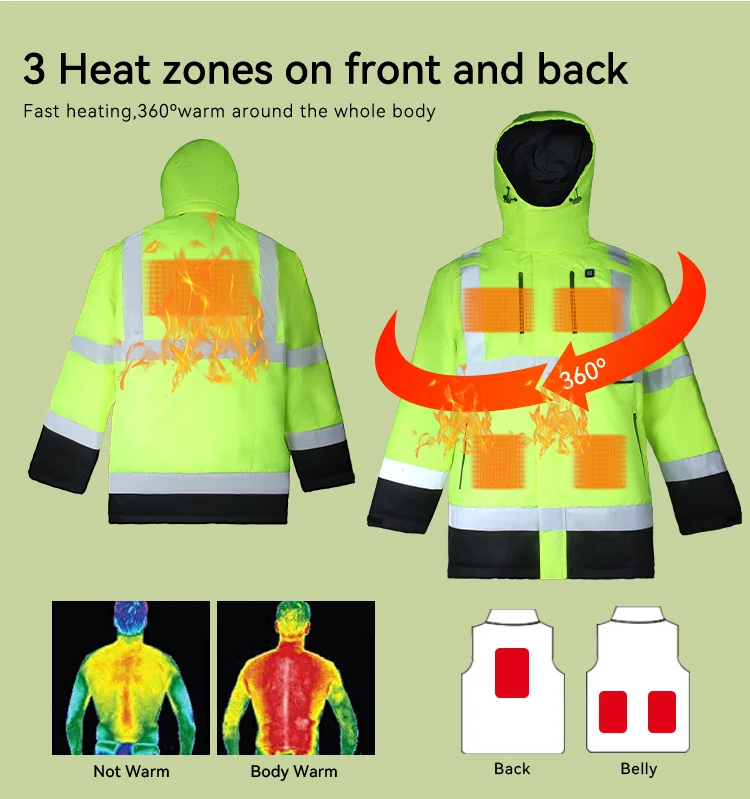
The number and location of heating zones is a critical specification. Standard configurations are: 3-zone (chest, mid-back, collar) for heated vests and base layers; 4-zone (left chest, right chest, mid-back, collar) for heated jackets; 5-zone (left chest, right chest, mid-back, collar, lower back) for premium heated jackets; and 2-zone (top of hand, fingertips) for heated gloves. Some 2026 programs are adding a 6th zone at the kidney area for workwear applications.
Stage 4: Wiring Harness and Controller Integration
The wiring harness connects the heating panels to the controller and to the battery pack. It must be routed through the garment in a way that survives 50+ wash cycles and 10,000+ flex cycles without insulation breakdown or connector fatigue.
Wiring Best Practices
Best practice for the heated apparel manufacturing process is to use silicone-jacketed wire (rated to 105°C), route the harness through a dedicated channel in the lining seam, anchor the harness with strain-relief grommets at every direction change, and use IP67 connectors at the battery interface. The connector choice matters more than buyers realize: a generic JST connector will fail the wash test within 10 cycles, while an IP67-rated connector will survive 50+.
Controller Specifications
Standard 2026 controllers deliver 3 heat levels (low, medium, high) at 35°C / 45°C / 55°C, with LED indicators at each level, a single glove-friendly push button, and IPX5 water resistance. Premium controllers add a 4th level, an OLED display, Bluetooth connectivity for app control, and OTA firmware update capability. The premium controller adds roughly USD 4-7 per garment to the BOM but lifts perceived retail value by 15-25%.
Stage 5: Battery Pack Assembly and Certification
The battery pack is the most regulated subsystem in the heated apparel manufacturing process. In 2026 the standard platform is a 7.4V lithium-ion pack in the 5,000-10,000 mAh range, with USB-C PD 3.0 charging for premium SKUs.
Battery Certifications by Market
| Market | Certification | Lead Time |
|---|---|---|
| United States | UL 60335-2-81 or ETL | 8-12 weeks |
| European Union | CE under EN 60335-2-81 + UN 38.3 | 6-10 weeks |
| Korea | KC mark | 6-8 weeks |
| Japan | PSE mark | 6-8 weeks |
| India | BIS certification | 8-12 weeks |
| China Domestic | CCC mark | 4-6 weeks |
If your launch timeline is shorter than 16 weeks, start battery certification before you finalize the tech pack. There is no shortcut here, and no serious US retailer will accept a battery without UL or ETL mark.
The Heated Apparel Factory Process in Practice
A serious heated apparel factory runs a dedicated factory process that differs structurally from a conventional garment line. Our standard factory process includes 6 sequential stations with cycle-time targets at each station: cutting (3-4 minutes per piece), shell sewing (35-45 minutes), heating element integration (8-12 minutes per piece, the slowest station), wiring harness routing (5-7 minutes per piece), controller and battery integration (4-6 minutes per piece), and pack-out (2-3 minutes per piece). The cumulative cycle time per garment is roughly 60-80 minutes of value-add, with the heating element integration station being the bottleneck that determines overall line capacity.
Stage 6: Pilot Run (50-100 Pieces)
The pilot run is the most important QC checkpoint in the heated apparel manufacturing process. We strongly recommend a 50-100 piece pilot before any bulk production order. The pilot catches wiring defects, controller calibration drift, battery connector alignment issues, and heating panel placement problems in a batch small enough to re-work cheaply.
What to Inspect During the Pilot
During the pilot inspection, plan to test 5 specific things: heating element continuity on every piece (using a multimeter or a dedicated continuity tester), controller calibration on every piece (heat output at each level), battery cycle test on a 10% sample (1 full charge-discharge cycle), wash durability on a 5-piece sample (5 wash cycles followed by continuity re-test), and overall fit and finish on every piece. Plan a 2-day on-site visit for the pilot: day 1 for line walk and inline inspection, day 2 for final QC and merchandising discussion.
Stage 7: Bulk Production
Bulk production for heated apparel typically takes 25-35 days for 500-2,000 pieces, 35-50 days for 5,000 pieces, and 50-75 days for 10,000+ pieces. The bottleneck is almost always the heating panel integration, not the sewing line. Battery pack assembly runs in parallel.
Production Line Layout
A serious heated apparel manufacturing line is laid out in 6 stations: cutting station (fabric and lining), sewing station (shell assembly), heating element integration station (panel placement and lamination), wiring harness station (routing and strain relief), controller and battery integration station (final assembly), and pack-out station (folding, polybag, hangtag, master carton). Each station has dedicated operators and a defined cycle time target.
Stage 8: Inline QC (5 Checkpoints)
The heated apparel manufacturing process has 5 inline QC checkpoints that catch 95%+ of defects before pack-out.
| Checkpoint | What We Test | Pass Criterion |
|---|---|---|
| 1. Fabric Inspection | Color, weight, defects, shrinkage | 4-point system, AQL 2.5 |
| 2. Heating Panel Continuity | Resistance per zone, no breaks | ±5% of spec |
| 3. Panel Placement | Position, alignment, no overlap | Visual + ruler |
| 4. Wiring Continuity | No breaks, no shorts | 100% tested |
| 5. Controller Calibration | Heat output at each level | ±10% of spec |
Pre-Shipment AQL Audit
After inline QC, a pre-shipment AQL 2.5 General II audit catches any defects that escaped inline checks. Sample size depends on lot size: for a 1,000-piece lot, AQL 2.5 General II requires a 50-piece sample with 3 accept / 4 reject boundaries. For a 5,000-piece lot, the sample is 80 pieces with 5 accept / 6 reject.
Stage 9: Pack-Out and Shipping
Pack-out to your specification: polybag, hangtag, barcode sticker, master carton label, and palletization. Standard FOB Shenzhen or FOB Haiphong lead time is 3-5 days after final audit.
Lead Time Summary
| Phase | Duration |
|---|---|
| Tech pack + sample rounds | 14-21 days |
| Pilot run + inspection | 7-10 days |
| Bulk production | 25-75 days |
| Final QC + pack-out | 5-7 days |
| Ocean freight (CN/US) | 22-28 days |
| Ocean freight (VN/US) | 18-25 days |
| Customs + DC receipt | 5-10 days |
| Total | 90-130 days door-to-door |
Where to Manufacture Heated Apparel in 2026
The heated apparel manufacturing process runs in three primary locations, each with distinct trade-offs.
China (Shenzhen, Suzhou, Hangzhou)
China remains the largest heated apparel manufacturing base, with the deepest supply chain for heating elements, controllers, and battery packs. Lead times are the shortest of the three locations, and MOQs are the most flexible. Trade-off: US tariff exposure on Section 301 goods has pushed landed costs up 7-25% depending on category, and corporate ESG audits are stricter.
Vietnam (Haiphong, Hanoi, Ho Chi Minh City)
Vietnam is the fast-growing alternative for buyers looking to diversify away from China tariff exposure. Lead times are 5-10% longer than China, MOQs are similar, and labor cost is 10-15% lower. Trade-off: heating element supply chain is shallower, and some specialized controllers still need to be sourced from China.
Bangladesh (Dhaka, Chittagong)
Bangladesh is the volume option for softshell and mid-tier heated apparel where fabric cost dominates. Lead times are the longest of the three locations, MOQs are higher (typically 1,000+ pieces), and the heating element supply chain is the shallowest. Trade-off: lowest fabric cost, but limited ability to customize heating elements.
Cost Breakdown: 2026 Wholesale Pricing
The table below summarizes 2026 wholesale pricing for OEM heated apparel manufacturing at 1,000-piece order quantity, FOB origin.
| Product | Per-Unit Cost (USD) | Battery Pack | Total with Battery |
|---|---|---|---|
| Heated Jacket (graphene) | $42-48 | $9-12 | $51-60 |
| Heated Jacket (carbon fiber) | $33-39 | $7-10 | $40-49 |
| Heated Vest (graphene) | $36-42 | $9-12 | $45-54 |
| Heated Hoodie (graphene) | $38-44 | $9-12 | $47-56 |
| Heated Pants (carbon fiber) | $35-41 | $8-11 | $43-52 |
| Heated Gloves (carbon fiber) | $56-72 per pair | $7-10 | $63-82 |
| Heated Socks (carbon fiber) | $32-42 per pair | $6-9 | $38-51 |
Per-unit cost drops roughly 12-18% when you move from 500 to 2,000 pieces, and another 8-10% from 2,000 to 5,000 pieces.
Common Mistakes in the Heated Apparel Manufacturing Process
Mistake 1: Choosing the Cheapest Quote Without Auditing the Factory
The cheapest quote almost always comes from a trading company. When warranty claims arrive, you have no direct line to the production team. Always visit the factory, or at minimum request a live video audit and a BSCI/Sedex report.
Mistake 2: Underestimating Battery Certification Lead Time
UL 60335-2-81 takes 8-12 weeks. If you need to launch in Q3, start battery certification in Q1.
Mistake 3: Skipping the Pilot Run
The pilot catches defects before they become 5,000-piece problems. Skipping it to save $1,500 in sample fees often costs $40,000 in re-work.
Mistake 4: Using Generic Hangtags and Packaging
Custom packaging lifts perceived retail price by 15-25% without touching the garment. Magnetic-closure box, printed quick-start guide, and warranty card are the standard 2026 packaging stack.
Mistake 5: Forgetting Spare Battery Strategy
Plan a 15-20% battery attach rate, and consider bundling a spare 5,000 mAh pack with every jacket above $179 retail.
Mistake 6: No Post-Launch Warranty Process
Build your warranty process before launch. Standard terms are 12 months on garment, 6 months on battery pack, with a 10-business-day repair-vs-replace turnaround.
How to Evaluate a Manufacturing Partner
Score each potential partner on 10 dimensions. A serious partner will score 8+ on every dimension.
| Dimension | What to Look For | Red Flag |
|---|---|---|
| Factory Audit | BSCI, Sedex, ISO 9001 | No audit reports available |
| Heating Element Options | 3+ technologies in-house | Single-source, no flexibility |
| Battery Certification | UL, ETL, CE, KC, PSE | Trading company, no certification |
| Sample Turnaround | 10-14 days proto | 30+ days for first sample |
| Pilot Run Policy | Mandatory for OEM | Skippable on request |
| QC System | 5+ documented checkpoints | “We check at the end” |
| R&D Strength | In-house pattern master + heating engineer | Outsourced to consultant |
| Communication | Dedicated merchandiser, English-fluent | Shared inbox, slow response |
| MOQ Flexibility | 300-500 pieces ODM | 1,000+ pieces on every style |
| Lead Time Track Record | Published on-time delivery rate | Vague or missing |
Frequently Asked Questions
What is the typical lead time for the heated apparel manufacturing process?
Plan 90-130 days door-to-door for a 1,000-piece OEM program with ocean freight. Air freight compresses this to 35-50 days. Express courier can compress further to 25-35 days at premium freight cost.
Can you dual-source between Vietnam and China factories?
Yes. Most serious OEM factories run production lines in both Vietnam and China for buyers who want tariff flexibility or capacity redundancy. Both lines run the same QC system.
What battery certifications do you support?
UL 60335-2-81 and ETL for US, CE and EN 60335-2-81 for EU, KC for Korea, PSE for Japan, BIS for India, and CCC for China domestic.
How do you handle heating element warranty claims?
Standard warranty is 12 months on the garment and 6 months on the battery pack. If a heating panel fails within warranty, we replace the panel at our cost. Battery failures within 6 months are replaced at our cost.
Can you help with private label packaging design?
Yes. Standard packaging design fee is USD 600-1,200 per project, waived for orders above 5,000 pieces.
What is the difference between graphene and carbon fiber heating?
Graphene delivers full-surface even heat and 10,000+ bend cycles. Carbon fiber delivers directional heat and 5,000-7,000 bend cycles. Graphene costs 2-3x per panel.
How do you protect my design IP?
We sign an NNN agreement (Non-disclosure, Non-use, Non-circumvention) before any tech pack is exchanged. Pattern access is restricted to a small merchandising team.
Can I visit the factory before placing an order?
Yes. We host brand buyers in our Vietnam facility 4-6 times per month and in our Shenzhen facility 8-10 times per month. Plan a 2-day visit: day 1 line walk, day 2 pilot inspection.
What payment terms do you offer for first-time buyers?
30% deposit by T/T at PO confirmation, 70% balance against B/L copy for orders up to USD 50,000. Net-30 OA terms available for repeat buyers after the second successful order.
Do you handle DDP shipping to the US and EU?
Yes. We have logistics partners in Long Beach, Rotterdam, and Hamburg for DDP routing. DDP quotes are typically 8-12% above FOB quotes.
What is your on-time delivery rate?
Our published on-time delivery rate for 2025 was 96.3% across 184 OEM programs. We share this metric openly because it is the single best indicator of how a manufacturer will treat your launch window.
How do you handle small re-orders?
Re-orders above 300 pieces per style run on the standard production line. Re-orders below 300 pieces are typically routed through our hand-build sample room with a 5-8% small-batch surcharge.
What is the smallest MOQ for an OEM program?
500 pieces per style per color for OEM, 300 pieces per style for ODM, 500 pieces per style for private label. For custom heating elements, MOQ rises to 1,000 pieces to amortize the element tooling fee.
Do you support small-batch startup brands?
Yes. Our ODM catalog includes 80+ existing heated apparel patterns that can be private-labeled at 300 pieces per style, with no tooling fee. This is the fastest way for a startup brand to launch.
Conclusion: A Production Process That Scales With You
The heated apparel manufacturing process is mature, documented, and competitive. The factories that have survived the 2020-2025 consolidation are stronger than the fragmented landscape of the early years. Pick a partner who can prove their heating element integration line, who has a certified battery pack room, who will sign an NNN before your first tech pack, and who will dedicate a merchandiser to your account for at least 18 months. The right partner becomes your competitive moat in a category that is still consolidating.
We have been in the heated apparel category since 2014. We know what fails, what scales, and what builds a brand that customers come back to in year two. If you want to walk through the heated apparel manufacturing process with our merchandising team, our standard response time is 48 hours from inquiry to feasibility note.
Internal Link Suggestions
- Category overview: see our Heated Jackets category for the full product range.
- Industry context: see our Industry News archive for tariff, supply chain, and market trend reports.
- Supply chain analysis: see our Supply Chain category for Vietnam and Bangladesh manufacturing deep-dives.