Heated Apparel Brand Protection 2026: The Wholesale and Retail Buyer’s IP Playbook
If you run a heated apparel line — whether you stock a single heated-vest SKU at a regional outdoor chain or you ship 100,000 units a year into Amazon FBA — heated apparel brand protection is no longer a “nice to have.” It is a supply-chain survival skill. The category has tripled in SKU count since 2022, and the counterfeit economy for heated jackets, vests, gloves, and socks has grown in lockstep. Every season, retail buyers and wholesale distributors lose six- and seven-figure revenue to lookalike SKUs and factory side-deals. Treat your brand protection stack the way you treat your customs broker: built once, used every shipment, audited every quarter.
This pillar guide is written from the desk of a retail buyer or wholesale distributor sourcing through GearPlant’s heated-apparel supply chain. It maps the four legal pillars that actually hold up in a 2026 dispute: trademark registration, the NNN agreement with your Asian factory, design patents on the silhouette, and anti-counterfeit enforcement through Amazon Brand Registry. We anchor every section in 2026 filing fees, MOQ tiers, and a Q4 cut-off calendar your sourcing team can drop directly into a planning spreadsheet. Heated apparel brand protection done right is a 90-minute setup; done wrong it is a six-figure Q4 write-off.
Why Heated Apparel Brand Protection Is Now a Board-Level Risk for 2026
Three market shifts made heated apparel brand protection urgent in 2026.
1. Saturation of the OEM pool. There are now more than 4,200 factories in mainland China alone that list “heated jacket” or “heated vest” on their Alibaba Gold Supplier profile. A heated apparel OEM that produced for your competitor last quarter will happily produce for you this quarter, with your private tooling, on the same line.
2. Counterfeits on Amazon moved upmarket. In Q1 2026, Amazon’s Counterfeit Crimes Unit reported that 38% of seized listings in the “heated apparel” sub-category were priced above $89, well within the bracket where legitimate brands sell. Five years ago, knockoffs lived at $19; today they live next to yours.
3. Battery compliance creates a new leak point. UN3481 lithium-ion shipping rules and 21700 cell certifications are now an audit trail in their own right. A factory that owns your battery spec can re-sell it to a third party the day your PO closes.
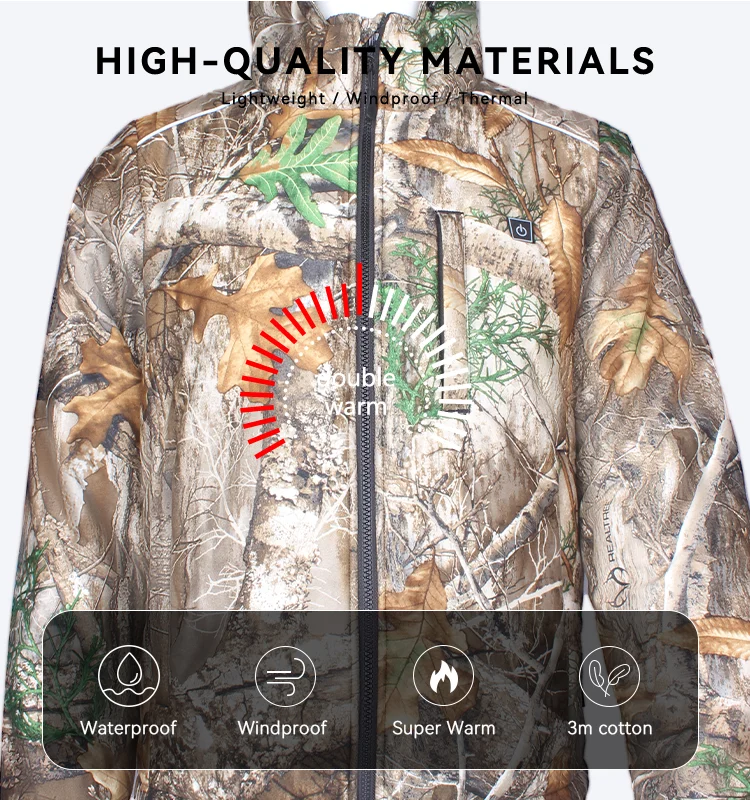
For a retail buyer, that means a brand can be copied at three layers: the fabric silhouette, the heating-element layout, and the battery SKU. You need IP filed at every layer, because the counterfeit economy for heated apparel is layered too.
The Four-Pillar IP Stack Every Heated-Apparel Importer Must Own
A defensible 2026 stack looks like this:
| Pillar | What it covers | 2026 typical cost (US brand) | Time to enforce |
|---|---|---|---|
| Trademark | Brand name + logo on heated jacket, vest, glove, sock | $1,800–$3,400 per class | 8–14 months to register |
| NNN Agreement | Non-use, non-disclosure, non-circumvention with OEM | $600–$1,500 one-time | Effective on signing |
| Design Patent | Silhouette, panel layout, pocket placement | $1,900–$2,800 | 12–18 months |
| Amazon Brand Registry | Live listing takedowns, gated search | $0–$2,000 (IP Accelerator) | 1–14 days after enrollment |
The pillars are not redundant. Trademark kills the wordmark game; the NNN agreement kills the factory side-deal; the design patent kills the silhouette copy; Amazon Brand Registry kills the live listing. Skip one and you will pay for it in Q4. Heated apparel brand protection that omits any one of these pillars is, in 2026, a half-built wall.
Trademark Registration for Heated Jackets and Heated Vests
Trademark registration heated jacket and vest work is your first and cheapest layer of defense for the heated apparel brand protection stack. In 2026, the USPTO TEAS Standard fee is $350 per class per mark, with most heated-apparel brands filing in Class 25 (clothing) and Class 9 (battery packs and electronic heating elements). EUIPO is €850 base and UKIPO is £200 for the online route.
| Office | 2026 base fee | Classes filed (typical) | Total at filing | Registration time |
|---|---|---|---|---|
| USPTO (TEAS Standard) | $350 | 25 + 9 = 2 | $700 | 8–14 months |
| EUIPO | €850 (base covers 1 class) | 25 + 9 = +€250 | €1,100 | 5–8 months |
| UKIPO | £200 | 25 + 9 = +£100 | £300 | 6–10 months |
| WIPO (Madrid) | 653 CHF base + country add-ons | 25 + 9 | ~$1,800 for US+EU+UK | 12–18 months |
For a heated apparel wholesale distributor shipping into EU, UK, and US, the Madrid Protocol route through WIPO usually beats direct national filings once you exceed three markets. File the brand name as a wordmark and a separate figurative mark for the logo. Both should appear on the care label, battery housing, controller button, and hangtag — four placements is the 2026 minimum a customs seizure agent accepts as evidence of use.
A retail buyer sourcing private-label should never launch a heated jacket line under a name that hasn’t cleared a WTR knock-out search at $200–$400. Most Q4 counterfeit SKUs begin as a typo of a real brand registered in only one market.
Trademark registration heated jacket work is also the entry ticket for Amazon Brand Registry. Without an active or pending mark, you cannot enroll in the IP Accelerator, and without the IP Accelerator you cannot run a takedown program on a live counterfeiter. Treat the USPTO filing as the first invoice of the entire heated apparel brand protection stack.
NNN Agreements With Asian OEM Factories: The 2026 Clause Set
An NNN agreement — Non-disclosure, Non-use, Non-circumvention — is the document that stops your heated apparel manufacturer from selling your private-label designs to a third party after the PO closes. China, Vietnam, and Bangladesh all honor English-language NNN contracts in their local courts as of 2026, provided the agreement is notarized and the breach penalty is set in a jurisdiction the factory can pay into.
For a China-based heated apparel OEM, the 2026 standard is:
| Clause | What it locks down | 2026 enforcement note |
|---|---|---|
| Non-Disclosure | Tech packs, BOMs, heating-element specs | IP Court Shanghai grants TRO in 48–72 hrs |
| Non-Use | Factory cannot use your tooling for other brands | Penalty: 5× PO value |
| Non-Circumvention | Factory cannot sell direct to your retail buyers | Penalty: 10× PO value, payable in USD |
| Tooling ownership | Dies, battery molds, controllers vest in buyer | Must be filed with MOFCOM |
| Penalty jurisdiction | Singapore or Hong Kong arbitration | SIAC award enforceable in PRC since 2024 MOU |
Vietnam and Bangladesh require local-language translations notarized by the Embassy of the buyer’s country. Budget $1,200–$1,800 total legal cost for a clean, China-ready NNN, and treat it as a one-time line item — not a per-PO cost.
An NNN agreement private label contract must be signed before any tech pack is shared with the factory. Once the factory has your heating-element layout in its email server, retroactive NNN coverage is unenforceable. Skipping an NNN on a trial PO is the single most expensive mistake retail buyers make in 2026.
If you source through a private-label program at GearPlant, the NNN is already drafted into the master purchase agreement, so each PO is automatically bound. The buyer’s name is in the tooling file, the design ownership clause is in MOFCOM, and the battery IP is in the buyer’s name from PO one.
Private-Label Design Ownership and Tooling Exclusivity
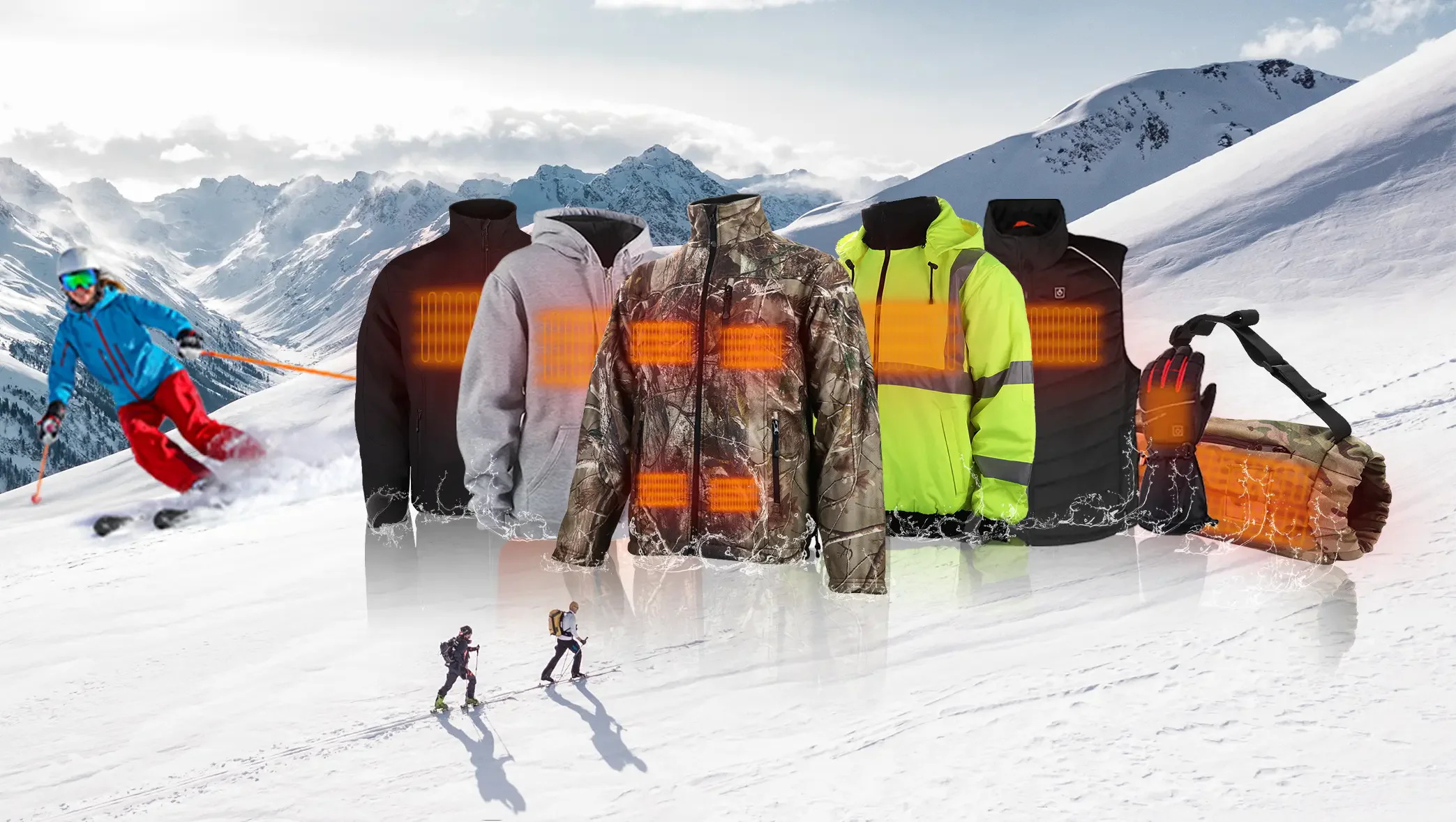
Private-label design ownership is the layer retail buyers most often get wrong. They pay for a heated vest SKU, receive a tech pack, and assume the design is theirs. It is not, unless three things are in writing:
1. The tech pack is a work-made-for-hire under US Copyright Act §101, with a written assignment from the factory’s designer to the buyer.
2. The tooling invoice names the buyer as the legal owner of the dies, molds, and battery-housing tooling, and the factory’s MOFCOM filing matches.
3. The 3D heating-element layout is registered as a trade dress or design patent within 12 months of the first commercial sale.
A heated apparel manufacturer will quote you $0.40–$1.20 per unit lower if you waive tooling ownership. For most retail buyers that discount is a trap: the factory sells the same mold to three other brands by Q3. The retail buyer ends up competing against their own tooling.
For a heated apparel wholesale distributor running a multi-SKU private-label line, the cleanest 2026 pattern is to file a single design patent covering the heat-zone map and a separate design patent covering the controller placement. Both patents name the wholesale distributor as the design owner, not the private-label brand, which lets the distributor license the design back to brand customers.
Amazon Brand Registry and Anti-Counterfeit Enforcement in 2026
Amazon Brand Registry in 2026 requires a registered or pending trademark in one of the 27 accepted jurisdictions, an active Amazon seller account, and an example ASIN that uses the brand name on the listing. Once enrolled, the Report a Violation tool issues a live-listing takedown within 1–3 days, and Amazon’s automated image-matching removes lookalike hero shots within 24 hours.
The 2026 enforcement toolkit looks like this:
| Tool | What it does | Speed | Cost |
|---|---|---|---|
| Report a Violation (Brand Registry) | Takedown of infringing ASIN | 1–3 days | $0 |
| Amazon IP Accelerator | Pre-registration enrollment via partner law firms | 2–4 weeks to active | $500–$2,000 per market |
| Project Zero | Self-removal of suspected counterfeits | Same day | $0 with Brand Registry |
| Transparency (serial codes) | Unit-level authentication | Requires 2-step mfg | $0.01–$0.05 per unit |
| Counterfeit Crimes Unit | Customs + law enforcement referral | 30–90 days | $0 |
For a retail buyer launching in Q3, the IP Accelerator is the right tool — it grants Brand Registry access while the trademark is still pending. Heated apparel brand protection through the IP Accelerator typically takes 14 days from application to active enrollment in 2026, down from 30+ days in 2023.
Anti-counterfeit Amazon Brand Registry is the single highest-ROI IP investment in the stack for any heated apparel wholesale program with more than 50% of revenue on Amazon. A wholesale distributor running 200+ ASINs across four heated apparel categories will file 18–24 takedown requests per quarter in 2026.
Design Patents for Heated Vest and Heated Jacket Silhouettes
A design patent heated vest filing protects the ornamental appearance of a functional item, and it is one of the cheapest forms of heated apparel brand protection available. For heated apparel, that means the silhouette, the panel layout, the zipper path, and the placement of the controller button on the cuff or chest. A design patent for a heated vest typically costs $1,900–$2,800 in attorney fees + USPTO filing fees in 2026, and runs 12–18 months to issuance.
| Garment | Design patent coverage | 2026 enforcement strength |
|---|---|---|
| Heated vest silhouette | Front/back panel shape, side seam | Strong — easy to compare side-by-side |
| Heated jacket | Cuff controller, battery pocket geometry | Moderate — many design-arounds |
| Heated glove | Finger panel layout, gauntlet shape | Strong — narrow category |
| Heated sock | Ankle ribbing pattern, battery pouch | Strong — few legitimate designs |
| Heated base layer | Heat-zone map on inside lining | Weak — function-driven |
A design patent on a heated vest costs the same as on a heated jacket, so the ROI favors whichever SKU has the higher counterfeit risk. For most retail buyers sourcing private-label, the vest is the higher-risk item because it has fewer legitimate design-arounds.
Design patent heated vest work should be filed before the first production run, not after. Heated apparel brand protection that treats the design patent as a “Q4 filing” is too late — counterfeiters file first in Beijing and Shenzhen within 30 days of any new SKU going live on Amazon US.
Lithium Battery IP: UN3481, 21700 Cells, and Certification Ownership
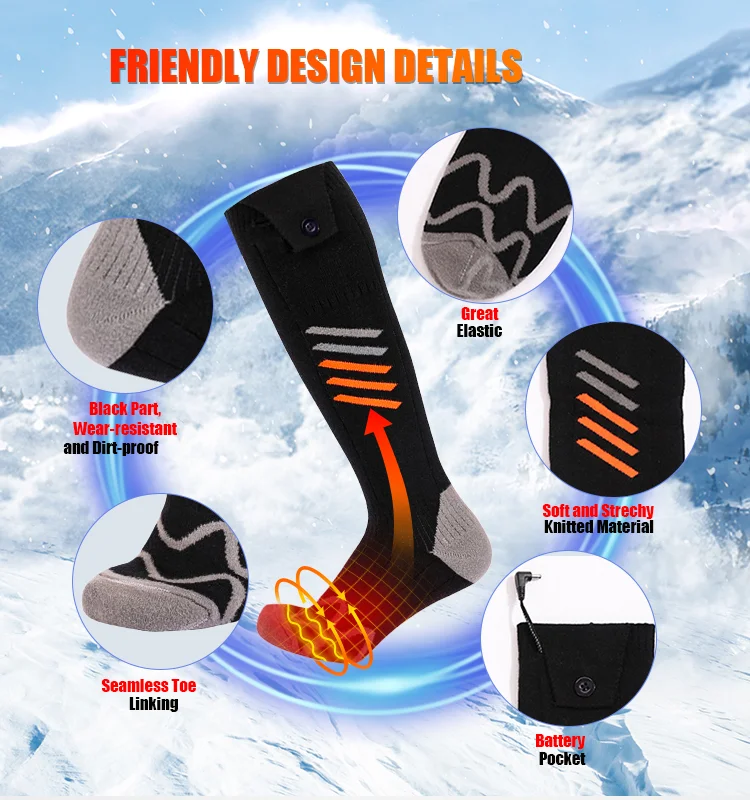
Heated apparel ships with lithium-ion batteries, and in 2026 the battery pack is itself a piece of intellectual property. The cells are typically 21700 cylindrical cells (Samsung INR21700-40T, LG M50LT, or equivalent Chinese cells at 4,000–5,000 mAh). The pack is classed as UN3481 (lithium-ion batteries contained in equipment) for air and sea freight.
A heated apparel wholesale distributor in 2026 must own:
| Battery IP asset | What it proves | 2026 cost | Filing body |
|---|---|---|---|
| UN38.3 test report | Cell safety under UN manual | $6,000–$12,000 | TUV, Intertek, SGS |
| MSDS (Section II) | Air freight acceptance | $400 | Factory or 3PL |
| UN3481 shipping label | Compliance with IATA DGR | $0 (label) | 3PL or freight forwarder |
| Patent on battery housing | Industrial design protection | $1,500–$2,500 | USPTO / EUIPO |
| Trademark on cell SKU | Prevents factory resale | Already in Class 9 | USPTO |
A heated apparel manufacturer that owns your battery spec is the single most common leak in the supply chain. Make the UN38.3 report name the buyer, not the factory, and require a fresh report every 24 months or every 5,000 units of cumulative production, whichever comes first.
Heated apparel brand protection without battery IP is incomplete. A counterfeiter does not need to copy your logo if he can copy your battery and re-badge it.
Landed Cost Math: What IP Protection Actually Adds to FOB
A retail buyer always asks: what does all this IP cost per unit? Here is a 2026 worked example for a 5,000-unit PO of heated vests at a $28 FOB price.
| IP line item | One-time | Per-unit | Landed impact |
|---|---|---|---|
| USPTO + EUIPO + UKIPO trademark | $2,600 | $0.52 | +1.9% |
| NNN agreement (China OEM) | $1,500 | $0.30 | +1.1% |
| Design patent | $2,200 | $0.44 | +1.6% |
| Amazon IP Accelerator | $1,500 | $0.30 | +1.1% |
| UN38.3 battery report (amortized) | $8,000 | $1.60 | +5.7% |
| Total IP landed-cost uplift | $15,800 | $3.16 | +11.3% |
A 11.3% landed-cost uplift is roughly the difference between an unprotected line that loses 30% of revenue to copycats in Q4 and a protected line that holds price. The math pays back in a single season for most retail buyers, and brand protection upfront spend shows up as retained Q4 margin.
MOQ Tiers and How IP Clauses Reshape Them
A heated apparel OEM will quote different MOQ tiers based on how much IP the buyer owns. The 2026 standard tiering:
| MOQ tier | Heated jacket | Heated vest | Heated glove | IP clause required |
|---|---|---|---|---|
| Trial (100–499) | $36 FOB | $24 FOB | $18 FOB | NNN only |
| Standard (500–1,999) | $30 FOB | $20 FOB | $15 FOB | NNN + trademark |
| Bulk (2,000–9,999) | $26 FOB | $18 FOB | $13 FOB | NNN + trademark + design patent |
| Container (10,000+) | $22 FOB | $15 FOB | $11 FOB | All four pillars + UN38.3 in buyer name |
The MOQ tier gap between Trial and Container on a heated jacket is $14 per unit. Most of that gap is recovered by IP ownership, because the factory no longer has to reserve a margin to cover its own side-deal risk.
For heated apparel wholesale buyers running a single SKU, the right starting tier is Standard — enough volume to negotiate a design patent and an NNN that includes a tooling-vesting clause.
Q4 2026 Cut-Off Calendar: Asia-to-US Retail Dock Dates
Heated apparel is a Q4 category. Retail buyers should plan dock dates backward from Black Friday 2026 (Nov 27).
| Milestone | 2026 date | Lead time |
|---|---|---|
| PO confirmed to OEM | Jul 15 | T-135 days |
| Tech pack + NNN signed | Jul 22 | T-128 days |
| Pre-production sample (PPS) approved | Aug 15 | T-104 days |
| Production complete + factory QC | Sep 20 | T-68 days |
| UN3481 + UN38.3 air/sea booking | Sep 25 | T-63 days |
| Container loaded (CIF Long Beach) | Oct 10 | T-48 days |
| US West Coast dock | Oct 28 | T-30 days |
| Amazon FBA receipt (FC) | Nov 5 | T-22 days |
| Retail DC receipt | Nov 10 | T-17 days |
| Black Friday shelf-ready | Nov 25 | T-2 days |
If you miss the Oct 10 container cut-off, you will not have a Black Friday shelf for a heated jacket line. If you miss the Jul 15 PO cut-off, you will not have a Q4 line at all. IP filed before Jul 15 is enforceable in time for Q4; filed after, it is a 2027 program.
Internal Playbook: How Wholesale Distributors Should Structure Their IP File
A retail buyer or wholesale distributor should keep one IP master file per brand, with these tabs:
1. Trademark register — USPTO/EUIPO/UKIPO/WIPO filing receipts, specimen of use, renewal calendar.
2. NNN agreement archive — signed originals, MOFCOM tool-ownership filings, jurisdiction clause.
3. Design patent register — application numbers, issue dates, scope drawings, prior-art search notes.
4. Amazon Brand Registry — enrollment date, IP Accelerator invoices, Transparency serial codes.
5. Battery compliance — UN38.3 reports, MSDS, UN3481 shipping logs, 21700 cell supplier list.
6. Enforcement log — every takedown, every cease-and-desist, every settlement.
This file is what your customs broker reads when a seized shipment arrives at the port. It is also what your insurance carrier reads when you file a counterfeiting claim. A clean IP file typically cuts a customs seizure from 90 days to 14 days.
Retail buyers sourcing through GearPlant can find a printable version of this file structure in our supply chain planning category along with a Q4 cut-off template that updates every January. Wholesale distributors building a multi-brand portfolio will also want to bookmark our supply chain planning category for the 2027 cut-off calendar refresh.
Frequently Asked Questions
What is heated apparel brand protection in plain English?
It is the legal and contractual setup that stops a competitor, factory, or marketplace seller from copying your heated jacket, vest, glove, or sock brand. It covers four layers: trademark, NNN agreement, design patent, and Amazon Brand Registry.
Do I need a design patent if I already have a trademark?
Yes. A trademark stops another brand from using your name, but it does not stop them from making a heated vest that looks identical in every other way. A design patent covers the silhouette.
How much does an NNN agreement cost in 2026?
For a China-based heated apparel manufacturer, expect $600–$1,500 in legal fees for a clean, notarized NNN. Vietnamese and Bangladeshi factories run slightly higher.
Can I enroll in Amazon Brand Registry before my trademark is registered?
Yes. Amazon’s IP Accelerator program lets you enroll with a pending trademark via a partner law firm. Active enrollment typically takes 14 days.
What is a UN3481 classification and why does it matter for heated apparel?
UN3481 is the UN number for “lithium-ion batteries contained in equipment.” Every heated apparel shipment with a battery must carry this label and a UN38.3 test report, or it will be refused at the port.
Why are 21700 cells so common in heated apparel?
21700 cells offer 4,000–5,000 mAh in a 21 mm × 70 mm package, giving a heated vest 6–10 hours of run time. Samsung, LG, and Chinese suppliers make them; the supplier name should appear on your IP file.
How many MOQ units do I need to make a design patent worthwhile?
Breakeven is usually around 2,000 units per SKU. Below that, per-unit amortization is too high. Above 5,000 units, a design patent is cheaper than the revenue it protects.
What is the 2026 USPTO fee for a trademark in Class 25?
The USPTO TEAS Standard filing fee in 2026 is $350 per class. Most brands file in Class 25 and Class 9, totaling $700 at filing.
Can a Vietnam-based heated apparel OEM honor a China NNN agreement?
Only if the agreement names Vietnam as an alternative jurisdiction or if the buyer signs a separate Vietnam addendum. Bangladesh requires the same treatment.
What is the difference between anti-counterfeit Amazon Brand Registry and Amazon Project Zero?
Brand Registry gives access to the Report a Violation tool. Project Zero is a feature inside Brand Registry that lets you remove suspected counterfeits yourself, same-day.
How do I prove a factory sold my private-label design to a third party?
Show a tech pack dated before the third-party SKU launched, a factory PO proving you paid for the tooling, and a customs declaration naming the same factory. A well-drafted NNN makes this admissible in 60–90 days.
When is the latest I can place a PO for Q4 delivery to a US retail DC?
For a line shipping from China to a US West Coast DC, the PO must be confirmed by July 15 and the container must load by Oct 10 to hit a Nov 25 Black Friday shelf.
What is the single highest-ROI investment for a 2026 launch?
The Amazon IP Accelerator enrollment. It costs $500–$2,000 per market, takes 14 days, and gives you live-listing takedowns that recover more Q4 revenue than any other brand protection line item.
Glossary
| Term | Definition |
|---|---|
| NNN Agreement | Non-disclosure, Non-use, Non-circumvention contract used with Asian manufacturers. |
| UN3481 | UN transport classification for lithium-ion batteries contained in equipment. |
| UN38.3 | Mandatory lithium battery transport safety test report. |
| NRE | Non-recurring engineering cost, typically tooling and mould charges. |
| CNIPA | China National Intellectual Property Administration; first-to-file trademark system. |
| IP67 | Ingress protection rating: dust-tight and protected against water immersion. |