Heated Apparel Manufacturer Financing: A Retail Buyer’s Guide to Wholesale Credit, PO Terms, and Vendor Finance in 2026
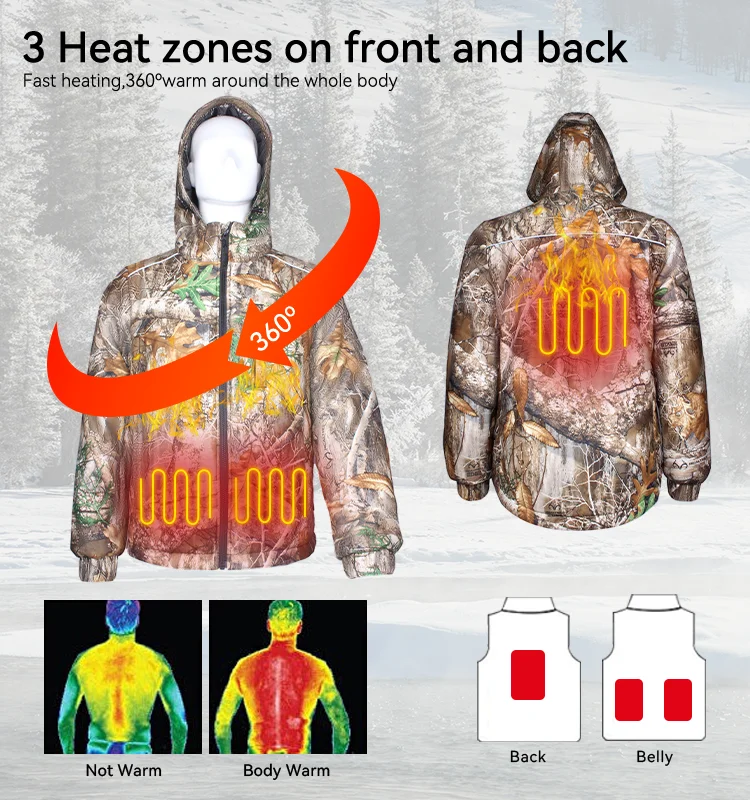
If you stock, sell, or resell heated apparel, your biggest constraint in 2026 is working capital. A single container of graphene-lined heated jackets can tie up six figures before the first unit hits a rack, and ski shops, outdoor boutiques, and Amazon FBA sellers all feel that pressure before peak season. This buyer’s guide to heated apparel manufacturer financing walks wholesale buyers through the credit, PO, and vendor finance options that Vietnam OEMs, Chinese factories, and private label mills actually offer today.
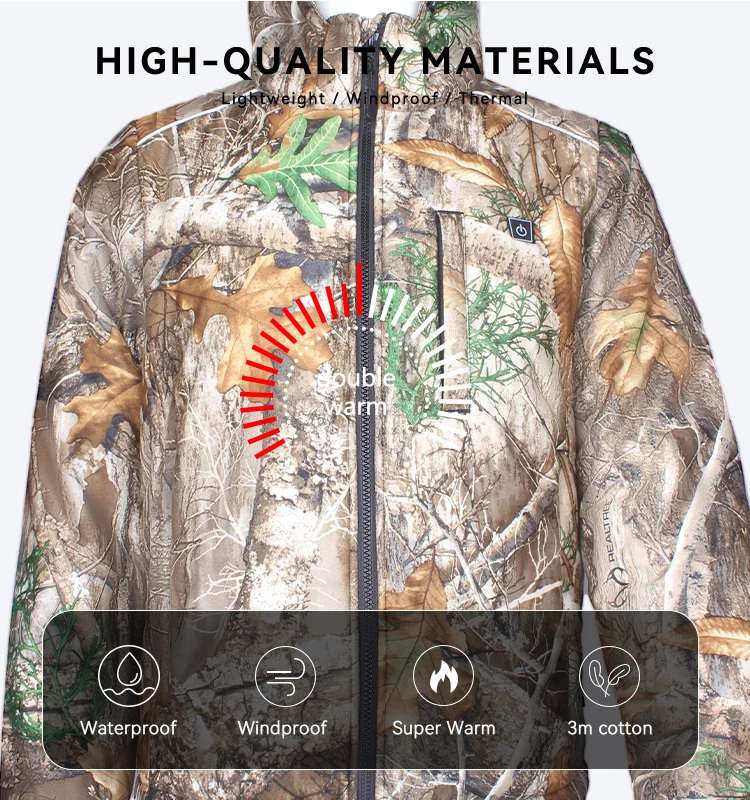
1. Why Heated Apparel Manufacturer Financing Matters for Wholesale Buyers in 2026
The heated apparel category has matured from a winter novelty into a year-round outdoor and workwear staple. That maturity has raised the MOQ and tooling barrier — a typical Vietnam OEM now requires 300–500 pieces per SKU per color, and custom tooling can add $4,000–$12,000 per order. A single private label drop often exceeds the buyer’s available cash, which is exactly why heated apparel manufacturer financing — vendor credit, PO financing, trade credit, consignment — exists to bridge the gap.
2. Core Wholesale Payment Terms from a Buyer’s Perspective
From a retail buyer’s standpoint, the payment instrument matters more than the FOB price — it determines cash flow timing and default exposure.
Table 1: Wholesale Payment Term Comparison (Buyer View)
| Term | Outlay at PO | Outlay at Delivery | Buyer Risk | Use Case |
|---|---|---|---|---|
| T/T 30/70 | 30% deposit | 70% pre-shipment | Low factory risk | First-time small orders |
| L/C at Sight | 0% | 0% on clean B/L | Lowest counterparty | $100k+ OEM containers |
| O/A 30 (Net 30) | 0% | 100% in 30 days | High factory risk | Established buyer |
| O/A 60 / Net 60 | 0% | 100% in 60 days | Longer cycle | Seasonal restock |
| D/A | 0% | 100% at draft maturity | Buyer signs draft | Mid-volume repeat |
| D/P | 0% | 100% on document present | Lowest buyer risk | New supplier |
When buyers negotiate heated apparel manufacturer financing manufacturer terms, they are really negotiating which row of this table they qualify for. Net 30 is the gold standard — but rarely granted on a first order.
3. Open Account (O/A), Net 30/60/90 — How Supplier Credit Actually Works
Open Account means the factory ships, you receive, you sell, and then you pay 30, 60, or 90 days later. From the buyer’s perspective this is the most attractive form of heated apparel manufacturer financing wholesale because no cash leaves your account until after customers have paid. However, O/A is the riskiest instrument for the factory, so expect a Vietnam or Chinese OEM to gate Net 30 behind 2–3 successful paid-up T/T orders, a buyer credit application with 2 years of financials, a personal or corporate guarantee, a Coface/Euler Hermes/Sinosure credit insurance policy, and a trade reference check. Buyers with strong D&B ratings or an established storefront history typically unlock Net 30 within 90–180 days.
**B2B Soft Plant #1 — Gearplant Wholesale Buyer Advantage**
Gearplant.com runs an in-house Vietnam production line with low 100-piece MOQs and free sample swatches for verified retail buyers. First-time ski shops, outdoor boutiques, and e-commerce resellers can build the trade history required to graduate from T/T 30/70 to Net 30 wholesale credit — without a 1,000-piece container. Browse financing-ready SKUs in the [Heated Apparel Industry News](https://www.gearplant.com/category/heated-apparel-industry-news/) hub.
4. Letter of Credit, TT, DA, DP — Choosing the Right Incoterm Payment Method
Letters of credit remain the safest instrument for first-time OEM buyers placing heated apparel manufacturer financing wholesale orders above $50,000. In an L/C at sight transaction, your issuing bank promises to pay the factory upon presentation of clean shipping documents. Costs include a 0.125–0.25% issuance fee per quarter, 0–10% cash margin, and $150–$400 in document handling. For first container OEM orders between $30,000 and $150,000, a confirmed L/C is the cleanest risk transfer — the buyer pays only after the goods are loaded.
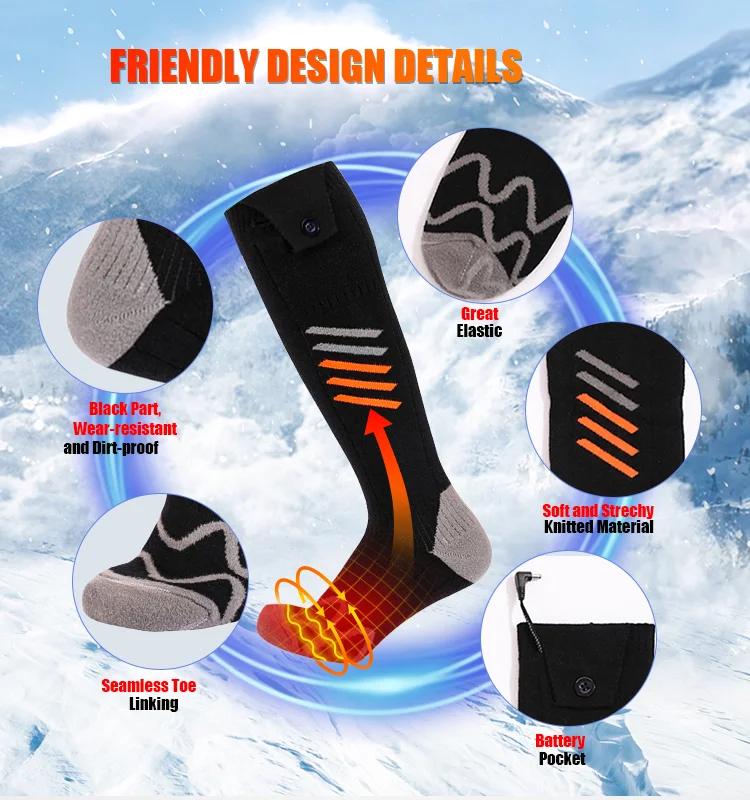
5. Financing Private Label Heated Apparel for Retailers: A Working Capital Playbook
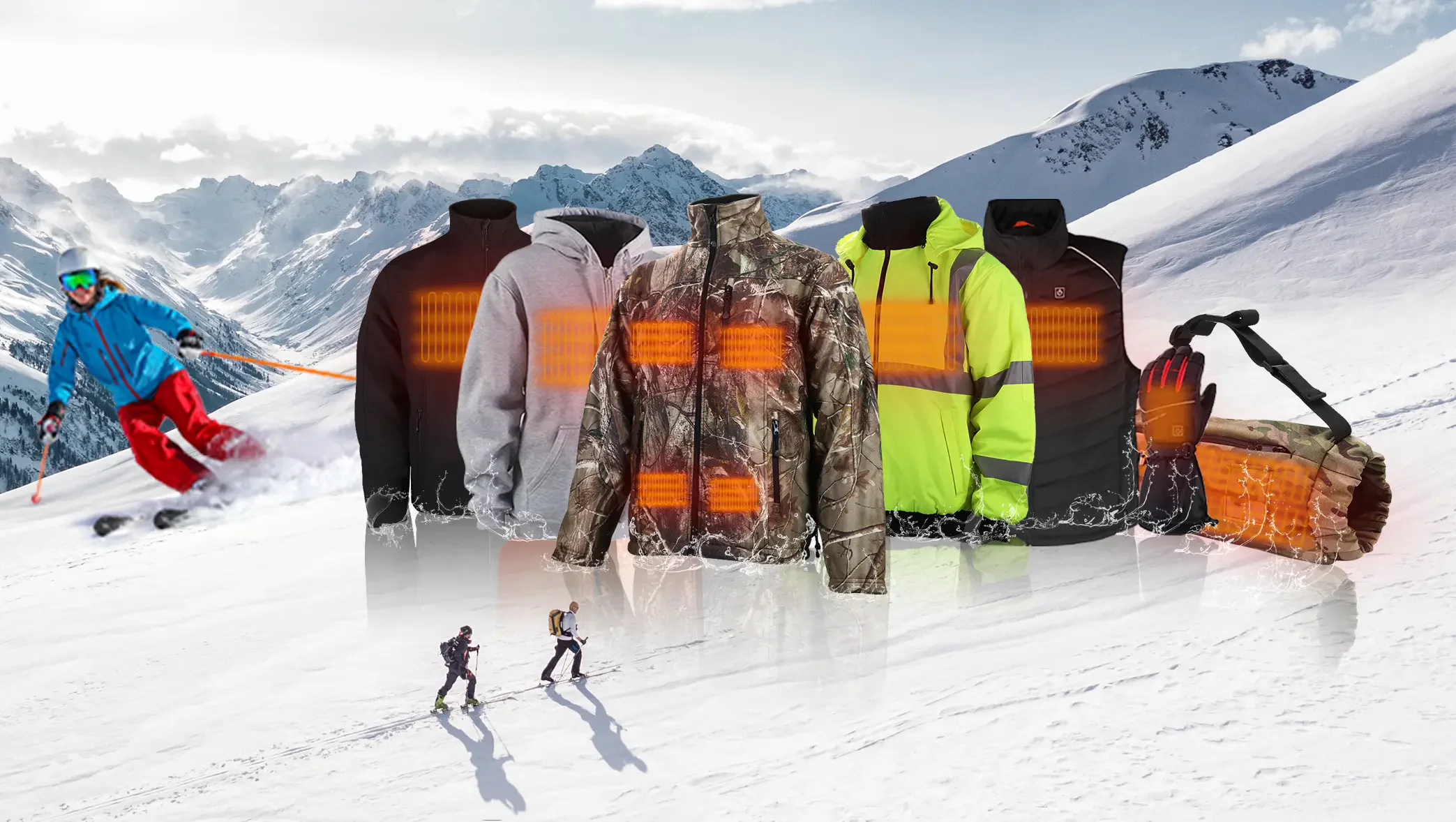
Financing private label heated apparel for retailers is its own subcategory because the working capital dynamics differ from reselling branded goods. With private label, the buyer also funds custom heat-transfer labels, branded packaging, photography, and initial PPC spend.
Table 2: Private Label Heated Jacket Launch — Cash Flow Map
| Line Item | Amount (USD) | Outlay Timing | Financed By |
|---|---|---|---|
| OEM production (300 pcs @ $45 FOB) | $13,500 | T/T 30% deposit | Buyer cash or PO finance |
| Tooling (laser die, battery mold) | $4,500 | With deposit | Buyer cash or amortized |
| Custom labels + packaging | $1,800 | Pre-shipment | Buyer cash |
| Freight + duty (LCL or FCL) | $2,400 | On arrival | Buyer cash or inventory loan |
| Amazon FBA inbound + photoshoot | $2,200 | Pre-launch | Buyer cash |
| PPC launch budget (60 days) | $4,000 | Post-launch | Buyer cash or revenue-based loan |
| **Total before first sale** | **$28,400** |
This is where heated apparel manufacturer financing OEM programs become valuable. Some Vietnam OEMs absorb tooling cost into the unit price (raising FOB from $45 to $48 in exchange for Net 60) — effectively extending the buyer an interest-free vendor loan. Others partner with trade finance platforms like Tradeshift or Resolve to offer Net 30–60 to qualified private label buyers.
6. Financing Heated Jacket Inventory for Ski Shops: Seasonal Cash Flow Tactics
Ski shops live and die by a 14-week selling season from mid-November through early March. Financing heated jacket inventory for ski shops means solving a “feast or famine” cash flow problem: the shop needs to stock $80,000–$250,000 of heated apparel by mid-October, but peak receipts don’t arrive until December and January.
Table 3: Seasonal Cash Flow Cycle — Independent Ski Shop
| Month | Inventory In | Cash Out | Cash In | Net Position |
|---|---|---|---|---|
| August | Pre-book PO | -$15,000 deposit | $0 | -$15,000 |
| September | Production, shipping | -$60,000 balance + freight | $0 | -$75,000 |
| October | Goods merchandised | -$8,000 setup | $5,000 | -$78,000 |
| November | Reorders | -$25,000 | $35,000 | -$68,000 |
| December | Peak season | -$10,000 | $70,000 | -$8,000 |
| January | Markdown phase | -$5,000 | $55,000 | +$42,000 |
| February | End-of-season | -$2,000 | $20,000 | +$60,000 |
| March | Carryover decision | $0 | $8,000 | +$68,000 |
The October trough of -$78,000 is where most ski shops need a working capital line, a vendor credit extension, or both. Heated apparel manufacturer financing wholesale arrangements — particularly Net 60 or Net 90 on the September production balance — can shift that trough 60–90 days into the December–January peak receipts. Some specialty mills even offer “ski shop terms” with a Net 90 structure tied to an earlybird reorder commitment.
7. Purchase Order (PO) Financing for First-Time and Growth-Stage Retailers
PO financing is a third-party lender paying the factory directly against a confirmed purchase order — the most accessible form of heated apparel manufacturer financing wholesale for buyers without strong trade history.
Table 4: PO Financing Cost Comparison — Heated Apparel Orders
| PO Finance Provider | Advance Rate | Fee Structure | Speed | Best For |
|---|---|---|---|---|
| Traditional bank PO line | 80–90% of PO | 2–4% per 30 days | 21–45 days | $100k+ established buyers |
| Fintech PO lender | 70–100% | 2.5–6% per 30 days | 5–14 days | $10k–$250k growth retailers |
| Factory-direct vendor credit | 0–100% | Implicit in unit price | Same as PO | Buyers with 2+ paid orders |
| Crowdfunded inventory | 70–100% | 4–8% per 60–90 days | 7–21 days | Niche / seasonal SKUs |
| Trade credit insurance O/A | 100% post-shipment | Premium 0.5–1.5% | At shipment | Buyers with 3+ years financials |
A typical PO financing deal on a $40,000 heated jacket container: the buyer confirms the PO, the lender pays the 30% T/T deposit ($12,000) directly to the factory, the factory produces and ships, and the lender pays the 70% balance ($28,000) on shipping documents. The buyer then has 30–90 days to repay, ideally after selling through retail or Amazon. All-in cost of PO financing is higher than vendor credit — typically 9–18% annualized — but requires no existing factory relationship.
8. Financing Battery Heated Apparel Wholesale Credit: Li-ion Compliance and Underwriting
Financing battery heated apparel wholesale credit is a distinct underwriting category because of the lithium-ion compliance overlay. Three factors apply: (1) UN 38.3 + MSDS documentation — expired paperwork delays PO finance advances by 2–4 weeks; (2) Battery insurance and recall reserves — smart retailers reserve 1–3% of COGS, and lenders view this as a sign of underwriting discipline; (3) Sea vs air shipment — most lithium heated apparel ships sea freight under IATA Section II, which lenders prefer because it synchronizes delivery with the selling season.
Table 5: Retailer Financing Options by Sales Channel
| Sales Channel | Best Fit Financing | Reason |
|---|---|---|
| Brick-and-mortar ski shop | Vendor Net 60/90 + seasonal LOC | Aligns with peak window |
| Outdoor specialty chain | Bank revolver + vendor credit | Volume justifies bank fees |
| Amazon FBA seller | Amazon Lending + vendor Net 30 | Ledger provides visibility |
| Shopify / DTC e-commerce | Shopify Capital + PO finance | Revenue-based, fast approval |
| B2B wholesale distributor | L/C at sight + factoring | Largest single orders |
| Pop-up / seasonal retail | Consignment + short-term PO | Lowest fixed cash commitment |
9. Vendor Finance Programs vs Bank Lines of Credit — Which Wins for Outdoor Retailers?
Vendor credit and bank lines are complementary, not competing. For a $500,000 annual heated apparel buyer, a 45-day vendor credit cycle at 0% implicit cost saves roughly $4,500 per year versus a 9% bank revolver on the same balance — and vendor credit is faster to deploy with less reporting burden.
Table 6: Vendor Credit vs Bank Credit — Heated Apparel Retailer View
| Dimension | Vendor Credit (OEM) | Bank LOC |
|---|---|---|
| Cost | 0–4% implicit | 9–14% APR |
| Setup time | 30–90 days | 30–60 days |
| Limit | 30–60% of annual purchases | Balance-sheet based |
| Renewal | Per order | Annual |
| Reporting | Light | Heavy (covenants) |
| Use case | Production funding | Broader working capital |
| Best for | Established factory relationship | First-time / scaling buyer |
**B2B Soft Plant #2 — Gearplant Wholesale Buyer Advantage**
Gearplant.com supports Net 30 and Net 60 vendor credit for verified retail buyers after a 2-order qualification period, and pairs every credit line with white-label and private label finishing in Vietnam — rebrand the same production run under your own outdoor brand. Current credit-approved SKUs and factory terms are listed in the [Heated Apparel Industry News](https://www.gearplant.com/category/heated-apparel-industry-news/) feed.
10. Financing Graphene vs Carbon Fiber Heated Apparel Wholesale MOQ Decisions
Financing graphene vs carbon fiber heated apparel wholesale MOQ is a real working capital question because the two technologies carry different minimum order quantities, tooling costs, and unit economics.
Table 7: Graphene vs Carbon Fiber Heating — Buyer Cost & MOQ Comparison
| Factor | Graphene Panels | Carbon Fiber Wire |
|---|---|---|
| FOB unit cost | $48–$62 | $38–$52 |
| MOQ per SKU/color | 300–500 pcs | 200–400 pcs |
| Tooling cost | $5,000–$9,000 | $2,500–$5,000 |
| Wash cycles | 80–100 | 50–80 |
| Lead time | 50–70 days | 35–55 days |
| Battery life/zone | 6–10 hours | 4–7 hours |
| Retail MSRP | $249–$399 | $179–$299 |
A first-time ski shop buyer deciding between the two should model all-in cash outlay. A 300-piece graphene jacket at $55 FOB plus $7,000 tooling ties up $23,500 before freight, duty, and marketing. The same order in carbon fiber at $45 FOB plus $4,000 tooling ties up $17,500. PO financing fees roughly equalize the working capital cost, but absolute dollars are 25–35% lower on the carbon fiber side. For established retailers with a vendor credit line, graphene is often the better choice due to higher MSRP markup. First-time buyers building trade history usually prefer carbon fiber’s lower-MOQ path.
11. E-Commerce Seller Financing: Amazon Lending, Shopify Capital, and Working Capital Alternatives
For e-commerce-led heated apparel resellers, the smartest heated apparel manufacturer financing OEM strategy combines Amazon Lending (working capital) with a Net 30 vendor credit line at the OEM (production payment timing). This double-layered approach lets a $2M annual seller operate with under $200,000 of equity tied up in inventory.
Table 8: E-Commerce Seller Financing Programs — Heated Apparel Reseller View
| Program | Advance Type | Repayment | Speed | Typical Use |
|---|---|---|---|---|
| Amazon Lending | Up to $2M, revenue-based | % of daily Amazon receipts | 5–14 days | Restock, PPC, expansion |
| Shopify Capital | Up to $2M, revenue-based | % of Shopify sales | 3–7 days | Inventory, marketing |
| Wayflyer | Up to $5M, revenue-based | % of revenue | 2–5 days | Cross-channel inventory |
| Clearco | Up to $20M, equity + debt | Revenue share | 7–21 days | Brand scaling |
| Stripe Capital | Up to $5M, revenue-based | % of Stripe volume | 3–10 days | DTC restock |
| BlueVine | Up to $5M | Fixed daily ACH | 24 hours | Bridge inventory gap |
The smartest heated apparel manufacturer financing OEM strategy for an Amazon-led reseller combines Amazon Lending (working capital) with a Net 30 vendor credit line at the OEM (production payment timing). This double-layered approach lets a $2M annual seller operate with under $200,000 of equity tied up in inventory.
12. Drop-Ship Wholesale, Consignment, and Buy-Out: Inventory Models for Small Retailers
For small retailers — single-location ski shops, pop-up stores, new Shopify brands — the inventory financing question often comes down to the inventory model itself.
Table 9: Consignment vs Buy-Out vs Drop-Ship — Small Retailer Comparison
| Model | Cash at Receipt | Risk to Retailer | Margin | Best For |
|---|---|---|---|---|
| Consignment | $0 | Unsold stock returnable | 35–55% | First-time category entry |
| Buy-Out | 100% of invoice | Full inventory risk | 45–65% | Established sellers |
| Drop-Ship | $0 (per unit) | Lowest (no holding) | 25–40% | Online-first, test SKUs |
| Hybrid (50/50) | 50% of invoice | Moderate | 40–60% | Growth-stage multi-channel |
Drop-ship wholesale is the lowest-risk entry point but the lowest margin. Consignment is the highest-risk for the factory (rarely granted to unknown buyers) but the lowest cash burden for the retailer. A hybrid — buying out proven hero SKUs and consigning experimental colorways — is increasingly common among independent ski shops.
**B2B Soft Plant #3 — Gearplant Wholesale Buyer Advantage**
Gearplant.com supports drop-ship wholesale, low 100-piece MOQ, and consignment-friendly replenishment for verified ski shops, outdoor retailers, and Amazon resellers. Combined with in-house Vietnam production and free sample swatches, it is the shortest path from “I want to test heated apparel” to “I have a credited wholesale line.” See current terms in the [Heated Apparel Industry News](https://www.gearplant.com/category/heated-apparel-industry-news/) library.
—
Glossary of Financing & B2B Trade Terms
- Wholesale
- The sale of goods in bulk to retailers, resellers, or other businesses rather than to end consumers.
- Drop-Ship
- A fulfillment model where the supplier ships directly to the buyer’s customer, eliminating the need for the buyer to hold inventory.
- PO Financing
- Purchase Order financing. A short-term loan or advance that lets a buyer pay the supplier for a confirmed purchase order.
- L/C at Sight
- Letter of Credit payable on presentation of shipping documents. The buyer’s bank guarantees payment to the factory upon shipment.
- Net 30/60/90
- Payment terms that give the buyer 30, 60, or 90 days to pay an invoice in full after delivery.
- O/A
- Open Account. A payment term where the buyer pays after shipment, typically Net 30, 60, or 90 days. Higher default risk for the seller.
- Consignment Inventory
- Goods held by the retailer but owned by the supplier until sold. The retailer pays only after the item is sold to an end customer.
- Floor Plan Financing
- A short-term loan used by retailers to finance high-ticket inventory, repaid as the inventory sells.
- Amazon Lending
- An invitation-only program that provides short-term loans to Amazon sellers, repaid via sales proceeds.
- Factoring
- Selling accounts receivable to a third party (the factor) at a discount in exchange for immediate cash.
- Vendor Credit
- Trade credit extended directly by the supplier, often with Net 30/60/90 terms, sometimes interest-free for the first 30 days.
- MOQ
- Minimum Order Quantity. The smallest number of units a factory will produce in a single run.
- TT
- Telegraphic Transfer. A wire transfer payment method, often used for the deposit phase of an order.
- DA
- Documents against Acceptance. The buyer accepts a time draft and pays at maturity.
- DP
- Documents against Payment. The buyer pays when the bank hands over shipping documents.
- DTC
- Direct-to-Consumer. A sales model where the brand sells directly to the end customer, typically via e-commerce, bypassing traditional retail.
Frequently Asked Questions
Q: What is heated apparel manufacturer financing from a buyer’s perspective?
A: It is any credit, loan, or payment extension that lets a retailer pay a heated apparel factory over time rather than up front — vendor credit (Net 30/60/90), PO financing, letter of credit, or consignment.
Q: How does Net 30 wholesale credit work with a Vietnam heated apparel manufacturer?
A: The factory ships the goods, the buyer receives them, and payment is due 30 days after invoice. Net 30 is typically offered only after 2–3 successful paid-up T/T orders and a buyer credit application.
Q: What is the minimum order quantity (MOQ) for first-time ski shop buyers?
A: Stock SKUs start at 100–200 pieces. Private label OEM with custom colors typically requires 300–500 pieces per SKU. Some Vietnam mills (including Gearplant) offer 100-piece trial MOQs to qualified retail buyers.
Q: Is letter of credit required for large OEM heated jacket orders?
A: Not required, but strongly recommended for first-time OEM orders above $50,000. L/C at sight protects the buyer because the factory is not paid until clean shipping documents are presented.
Q: Can small retailers qualify for purchase order financing?
A: Yes. Fintech PO lenders like SMB Compass, Kickfurther, and Resolve routinely finance $10,000–$250,000 heated apparel orders for first-time retailers at 2.5–6% per 30 days.
Q: How long does vendor finance approval take for outdoor retailers?
A: Typically 30–90 days. The factory reviews 2 years of buyer financials, trade references, and a personal guarantee before extending Net 30.
Q: What credit checks do heated apparel suppliers run on new buyers?
A: Most Vietnam and Chinese OEMs run D&B pulls, request 2 years of audited financials, check trade references, and require a personal guarantee. Some also require Sinosure or Coface credit insurance before extending Net 60.
Q: Are battery heated apparel lines harder to finance than standard outerwear?
A: Slightly. Lenders require current UN 38.3 test reports, MSDS sheets, and a battery recall reserve. Once documents are in order, terms are similar to non-battery outerwear.
Q: What’s the difference between consignment and vendor credit?
A: Consignment means the retailer pays only when goods sell (and can return unsold stock). Vendor credit (Net 30) means the retailer takes ownership at shipment and pays 30 days later regardless of sell-through.
Q: Do graphene and carbon fiber heating elements change MOQ requirements?
A: Yes. Graphene typically requires 300–500 pieces/SKU and $5,000–$9,000 tooling. Carbon fiber heating wire can start at 200–400 pieces with $2,500–$5,000 tooling.
Q: How does Amazon Lending or Shopify Capital work for heated apparel resellers?
A: Both are revenue-based advances. Amazon Lending pulls a fixed % of daily Amazon receipts until repaid; Shopify Capital does the same on Shopify sales. Approval is 5–14 days.
Q: What documents do retailers need for heated apparel wholesale credit approval?
A: A completed credit application, 2 years of financials or tax returns, a voided check, a resale certificate, EIN or business license, personal guarantee, and 2 trade references.
—