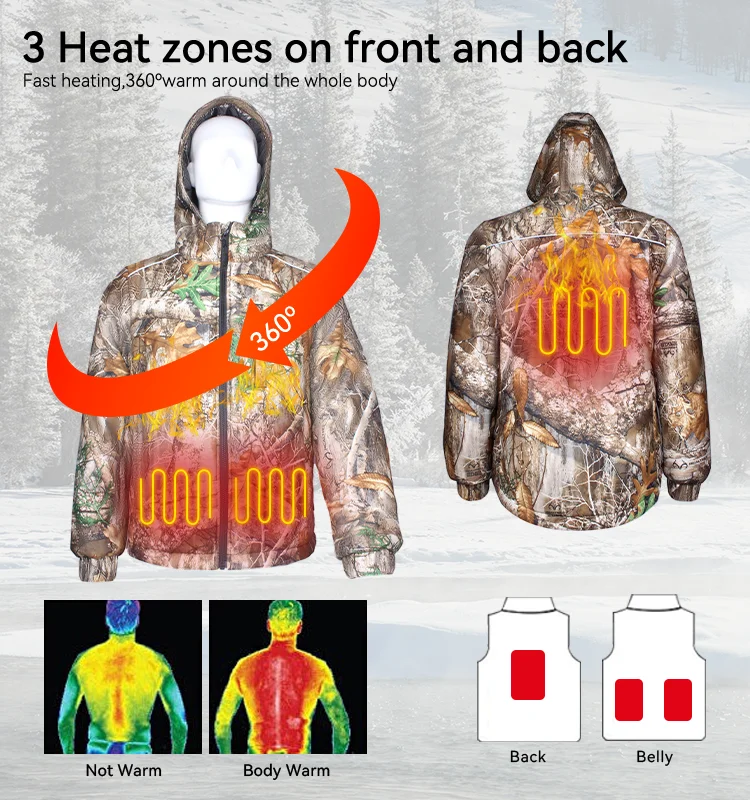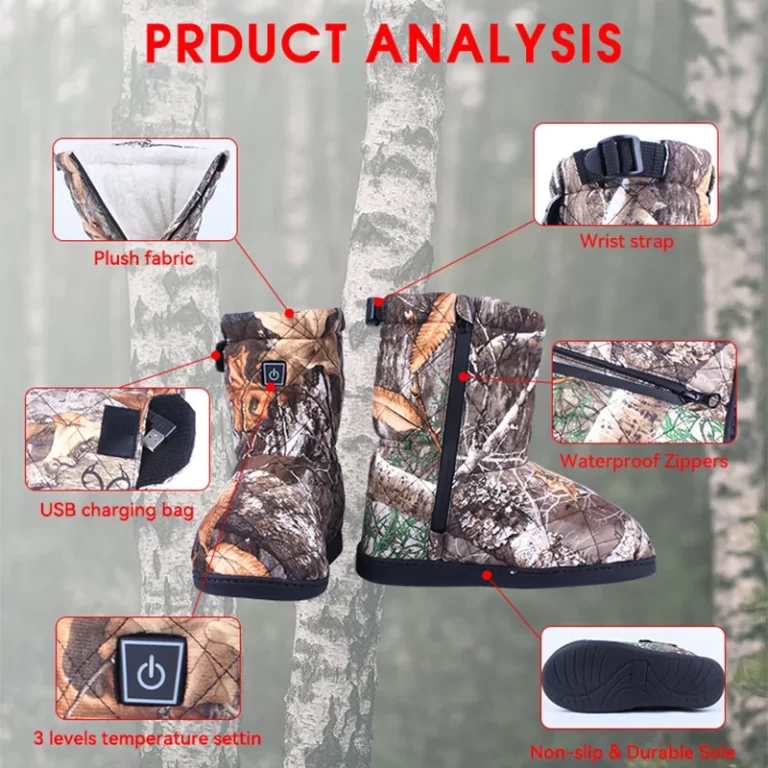
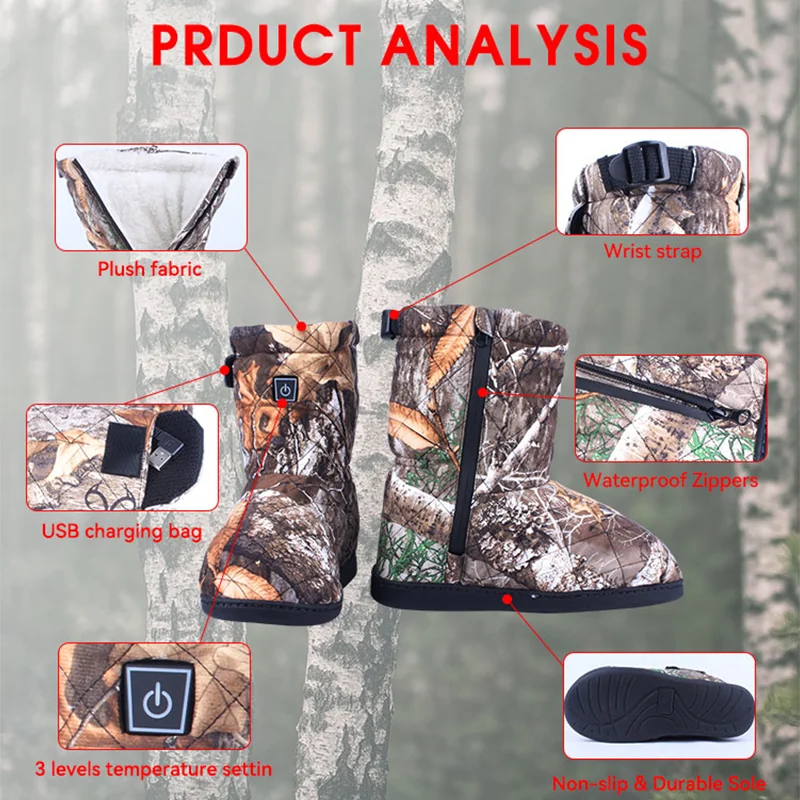
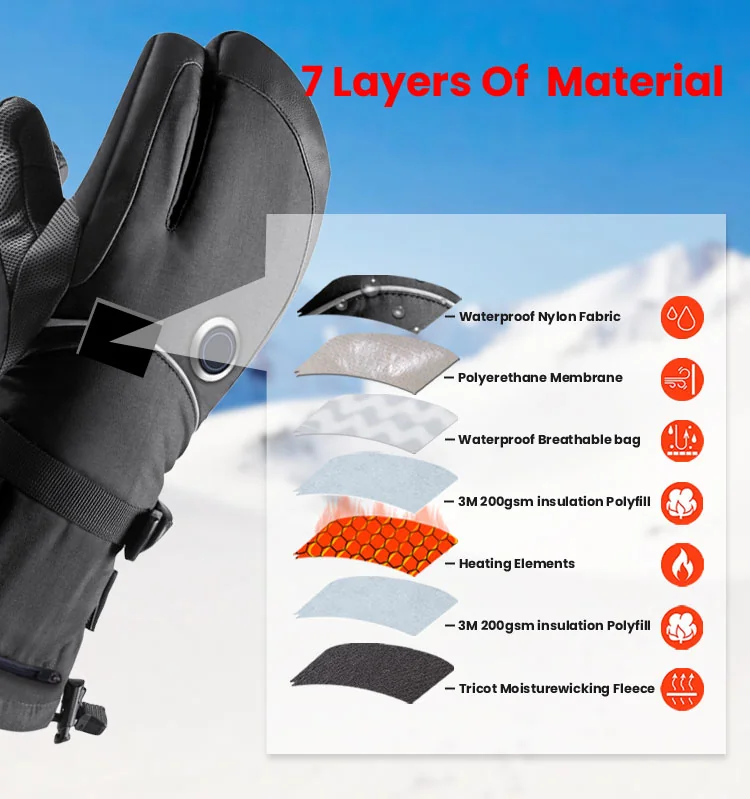
Every heated jacket, vest and glove you order in bulk ships with a lithium-ion battery pack, a heating element and often a wireless controller. One wholesale heated apparel CE conformity assessment file therefore has to cover textile, electronics and cell at once. Hold this binder before you sign the PO.
1. You Buy the Garment, the Importer of Record Carries the Obligation
The CE obligation sits with whoever places the product on the EU market under its own name. If you import and list on Amazon EU, you are the importer of record, and the duties cannot be delegated to the factory. In a wholesale heated apparel CE conformity assessment, the buyer’s job is to specify in the purchase order who holds the file, who signs the declaration, and how fast each copy reaches you.
| Role | What it owns | What you must get in writing |
|---|---|---|
| Factory / garment maker | Manufacturing and QC records | Legal name, address, sites |
| OEM / private-label partner | Brand, artwork, specs | Label artwork approval |
| Notified body (if used) | EU-type examination certificate | Certificate number, scope |
| EU importer of record | CE file and Art. 8 information | Undertaking to hold the file |
| You (buyer, brand owner) | Listings and safety claims | Copy of the whole binder |
2. Two Routes, Two Budgets: Annex II Self-Assessment vs Annex III Notified Body
Two routes lead to a compliant heated garment, and the difference is who signs. The self-declaration route applies internal production control and lets the manufacturer draw the EU Declaration of Conformity once harmonised standards are applied to the pack and electronics. The notified-body route adds EU-type examination, where a third party reviews the same evidence and issues a certificate. Use self-declaration for a standard cell with a current report; use the notified-body route when the cell is non-standard or the factory cannot be audited. Annex II self-assessment vs Annex III notified body is the question for every RFQ: the answer moves the timeline by six to eight weeks, so budget $11,600 extra per 5,000-unit lot when the notified-body route is required instead of the self-declaration route.
| Decision point | Annex II self-declaration | Annex III notified body |
|---|---|---|
| Legal basis | Internal production control | EU-type examination added |
| Who signs | Manufacturer | Manufacturer, plus body certificate |
| Evidence you receive | Reports, DoC, QC plan | Same, plus certificate |
| Extra cost per 5,000-unit lot | Inside the $0.83 reserve | Plus $11,600 |
| Typical elapsed time | 4 to 8 weeks | 10 to 16 weeks |
| Best fit | Standard pack and cell | Novel cell, buyer caution |
3. The Four Gates You Must Clear Before Signing the Purchase Order
Score every factory on four gates, in writing, before deposit. G1 covers mechanical and wiring integrity: element construction, harness routing, connectors, wash and flex durability. G2 covers battery and pack safety: cell, protection circuit, enclosure, UN 38.3 transport testing and IEC 62133-2:2017+AMD1:2021 pack testing. G3 covers EMC and radio: Directive 2014/30/EU and, with a wireless controller, Directive 2014/53/EU. G4 covers chemical and substrate: Directive 2011/65/EU plus material declarations for fabric, element insulation and casing. A wholesale heated apparel CE conformity assessment bulk buyer scores each gate on evidence received, not claims made.
| Gate | Scope | Pass evidence | Reject trigger |
|---|---|---|---|
| G1 | Mechanical and wiring | Harness drawing, wash test report | Photo only, no report |
| G2 | Battery and pack | UN 38.3 summary, IEC 62133-2 report | Transport test, no pack test |
| G3 | EMC and radio | 2014/30/EU and 2014/53/EU reports | Only a generic certificate |
| G4 | Chemical and substrate | 2011/65/EU declaration, material statements | No material data |
| Score | Weighted pass rate | 4 of 4 gates signed off | Any gate open |
Of the $0.83 per unit wholesale compliance reserve, $0.42 of the $0.83 reserve is the factory-side document cost: reports, declarations, testing and file assembly for one model. The remaining $0.41 covers your side of the ledger, the importer’s own obligations.
4. The Acceptance Binder: What You Demand in Writing
Ask for one indexed binder, not a folder of PDFs with unclear names. Each document must name the model, the cell and the factory. The battery entries stall reviews: UN 38.3 evidence covers transport only and does not stand in for pack-level testing, while IEC 62133-2:2017+AMD1:2021 covers the pack safety assessment you need for a garment worn against skin for hours. The EU Declaration of Conformity heated apparel technical file must contain the signed declaration, the harmonised standards applied, the reports behind them and the production control plan.
| Document | Issuer | Model scope | What it proves |
|---|---|---|---|
| UN 38.3 test summary | Test lab | Cell and pack | Transport safety only |
| IEC 62133-2:2017+AMD1:2021 report | Test lab | Cell and pack | Pack safety |
| Directive 2014/30/EU report | Test lab | Garment | EMC |
Directive 20
 14/53/EU report |
Test lab | Wireless module | Radio, EMC, RF |
| Directive 2011/65/EU declaration | Manufacturer | Electronics | Restricted substances |
| EU Declaration of Conformity | Manufacturer | Each model | Legal CE claim |
5. Importer Duties Under Article 8 of Regulation (EU) 2023/1542
The importer of record carries information duties whichever route the factory used. Under Article 8 of Regulation (EU) 2023/1542 you must be able to hand market surveillance authorities, on request, the chemistry of the battery and any substances in the garment, the nominal voltage, the capacity, the manufacturer identity and the safety information and warnings that travel with the product. Article 11 sets the conformity assessment procedures for the battery itself. Screen candidates by asking how they handled CE conformity assessment importer EU heated apparel projects: the answer should name an importer of record and date the file.
| Information item | Source document | Who holds it | Format |
|---|---|---|---|
| Chemistry and substances | Material declarations | Importer of record | Written summary |
| Nominal voltage | Cell datasheet, pack label | Importer of record | V, on label and file |
| Capacity | Cell datasheet | Importer of record | Ah and Wh |
| Manufacturer identity | EU Declaration of Conformity | Importer of record | Legal name, address |
| Safety information | User manual, warnings | Importer of record | EN language |
| CE file and reports | Factory binder | Copy with importer | Indexed by model |
6. Four Supplier Claims to Reject in Writing
Never accept a verbal assurance on compliance. Put the claim, why it fails and the document you require in writing, so the factory knows the PO is conditional. The most common failure is a supplier conflating transport testing with CE conformity, which is why the battery gate is checked first. Article 47 of the same Regulation sets the framework for Member State sanctions.
| Supplier claim | Why it fails | What to require | Action |
|---|---|---|---|
| “We have CE, certificate attached” | Scope and models unknown | Full report list with models | Reject in writing |
| “Battery is UN 38.3 certified” | Transport only, not CE | IEC 62133-2 report, DoC | Reject |
| “Our lab is a notified body” | A lab is not a notified body | Certificate number, scope | Verify before PO |
| “One file covers all colours” | Variants change construction | Model list, SKU mapping | Reject |
| “We will send it after payment” | No access before commitment | Binder before first PO | Hold the deposit |
| “Forwarder handles EU compliance” | Forwarder is not importer | Named importer undertaking | Reject |
7. Five Questions That Expose an Incomplete Technical File
Ask these five questions in a live call, not by email, and write down the answers. If the supplier stalls on any of them, the file does not exist yet and the schedule in a wholesale heated apparel CE conformity assessment is already at risk. Then price the gap: a $0.83 per unit wholesale compliance reserve is $4,150 on a 5,000-unit lot at $28.40 FOB, the cheapest line item in the garment and the most expensive one to skip.
| # | Question | Listen for | Document to demand |
|---|---|---|---|
| 1 | Which models does this file cover? | SKU list, dates | Model index |
| 2 | Which cell is in the pack? | Chemistry, capacity, cell maker | Cell datasheet |
| 3 | Which standards were applied? | Named standards, versions | Harmonised standard list |
| 4 | Who signed the declaration? | Manufacturer legal entity | Signed DoC |
| 5 | When was the file last updated? | Date after last design change | Change log |
8. Amazon EU Listing Readiness and the Landed-Cost Ladder
A complete file lets you list, advertise and keep selling. An incomplete one becomes a listing suspension and a customs problem at once. For CE conformity assessment Amazon EU brand owner heated apparel programmes, the brand owner is usually the importer of record, so the file must sit in your own document system, not a supplier inbox. Read the ladder with the compliance reserve added to the FOB base: the reserve is per unit and scales with the lot. A wholesale heated apparel CE conformity assessment file turns a listing from provisional to permanent.
| Landed term | Per unit | 5,000-unit lot | What it assumes |
|---|---|---|---|
| FOB | $28.40 | $142,000 | Compliance not included |
| CIF | $31.13 | $155,650 | Freight and insurance |
| DAP | $35.73 | $178,650 | Delivered, duty unpaid |
| DDP-FBA | $36.81 | $184,050 | Delivered, dutied to FBA |
| Compliance reserve | $0.83 | $4,150 | Documents and file cover |
9. Building the $0.83 Per-Unit Compliance Reserve
Take the reserve out of the unit price before you negotiate: it is small, certain, and the difference between a listing you can defend and one you cannot. The build-up: factory test reports and file assembly, about $0.42 per unit; importer-side file review, warning translation, a re-test buffer and broker handling, about $0.41 per unit. On a 5,000-unit lot the total is $4,150, and it should sit as a separate PO line, not inside the FOB price. A wholesale heated apparel CE conformity assessment you did not budget for is a cost you pay twice.
10. Manufacturer, OEM and Importer: Who Holds Which Part
Name three parties in the purchase order. The wholesale heated apparel CE conformity assessment manufacturer is the legal entity that applies the CE marking and signs the declaration. The wholesale heated apparel CE conformity assessment OEM is the party that puts your brand on the garment and owns the artwork, labels and user instructions you publish. The EU importer of record carries the legal duty in the EU; if that is your company, the whole file transfers to you. Our heated apparel industry news coverage tracks these shifts.
11. Purchase Order Language That Protects the File
Write the obligation into the PO, not the email. State that no shipment may be made before the importer of record has the complete binder, list the models covered, name the importer of record, set a delivery date for the file after every design or cell change, and reserve the right to withhold a deposit share if the file is not delivered. Add the same language to the factory quality agreement so it survives the second order. Our supply chain analysis covers how these clauses hit landed cost.
12. Frequently Asked Questions
Q: Who is the importer of record for heated apparel I buy wholesale?
The company that places the garment on the EU market under its own name. If you import and list on Amazon EU, you are the importer of record, and the CE duties stay with you whatever the factory documents say.
Q: How long does CE conformity assessment take for a heated jacket?
Four to eight weeks on the self-declaration route, ten to sixteen weeks with a notified body. Build the schedule from the sample date.
Q: Can I list on Amazon EU before the declaration is issued?
No. You need the signed EU Declaration of Conformity and the supporting reports in your own files before you list, and again when Amazon or an authority asks.
Q: Do I need a notified body for a heated vest?
Usually not, if the pack uses a standard lithium-ion cell with current test evidence. Use the notified-body route when the cell is non-standard.
Q: What does the UN 38.3 test summary actually prove?
Transport safety only. It says nothing about pack-level safety, so it cannot replace IEC 62133-2:2017+AMD1:2021 pack testing.
Q: Is IEC 62133-2 the same as UN 38.3?
No. UN 38.3 covers transport hazards, while IEC 62133-2:2017+AMD1:2021 covers cell and pack safety under use and abuse.
Q: Who signs the EU Declaration of Conformity, the factory or me?
The manufacturer signs it. The importer of record holds the file, supplies the product information and answers market surveillance questions.
Q: What if the factory says the file covers all variants?
Ask for the model list mapped to your SKUs. Colours, battery capacities and controller suppliers can all change the conformity basis.
Q: How much should I budget per unit for compliance?
About $0.83 per unit, which is $4,150 on a 5,000-unit lot at $28.40 FOB. Around $0.42 of that is the factory-side document cost.
Q: Does the importer need chemistry and battery information on file?
Yes. Article 8 of Regulation (EU) 2023/1542 requires the importer to hold chemistry, nominal voltage, capacity, manufacturer identity and safety information, and produce it on request.
Q: Can my freight forwarder act as the EU importer of record?
Technically yes, if the arrangement is written and the forwarder accepts the duties. Many buyers decline, because it puts a third party between you and the file.
Q: What happens if the file is incomplete when Amazon or a port authority asks?
Expect a listing suspension or a customs hold, and expect to rebuild the evidence at your own cost. That is what the $0.83 per unit reserve prevents.