Wholesale Heated Apparel 21700 Cell Supply Continuity 2026: The Buyer Acceptance Binder for Cell Allocation, Change Control and Battery Compliance Risk
Heated apparel programs rarely fail on the vest. They fail on the cell: a 21700 lot that lands four weeks late, an allocation cut nobody announced, or a supplier who revises a cell and leaves your compliance file pointing at a part number that no longer exists. For a buyer placing 5,000-unit lots, wholesale heated apparel 21700 cell supply is a contractual question before it is a logistics question.
1. Why Cell Continuity Belongs in the Purchase Agreement
A garment program is bought on a launch date. Cell supply is bought on a notice period. Three facts set the terms: the 21700 cell lead time is 60–75 days against 45–55 days for 18650, a 15–30 day penalty; a pack sits in the garment for two seasons; and the compliance file names the cell part number, so a changed part number makes the file stale.
Continuity is therefore a clause with a notice period, a flex band and a cost-allocation rule. “We will prioritise your orders” is not a clause, so wholesale heated apparel 21700 cell supply should be bought on paper.
2. The Reserve You Book Before Releasing the PO
Compliance cost is modelled per unit, not per project. Our buyer-side wholesale battery-compliance reserve is $0.83 per unit, so a 5,000-unit lot carries $4,150 of reserve ($0.83 × 5,000 units). Book it against the PO as a named line; a percentage buried in the FOB price cannot be audited when a cell change lands.
The factory carries its own OEM-side supplier compliance reserve of $0.42 per unit, or $2,100 per 5,000-unit lot, funding audit hours, inspection and re-test work.
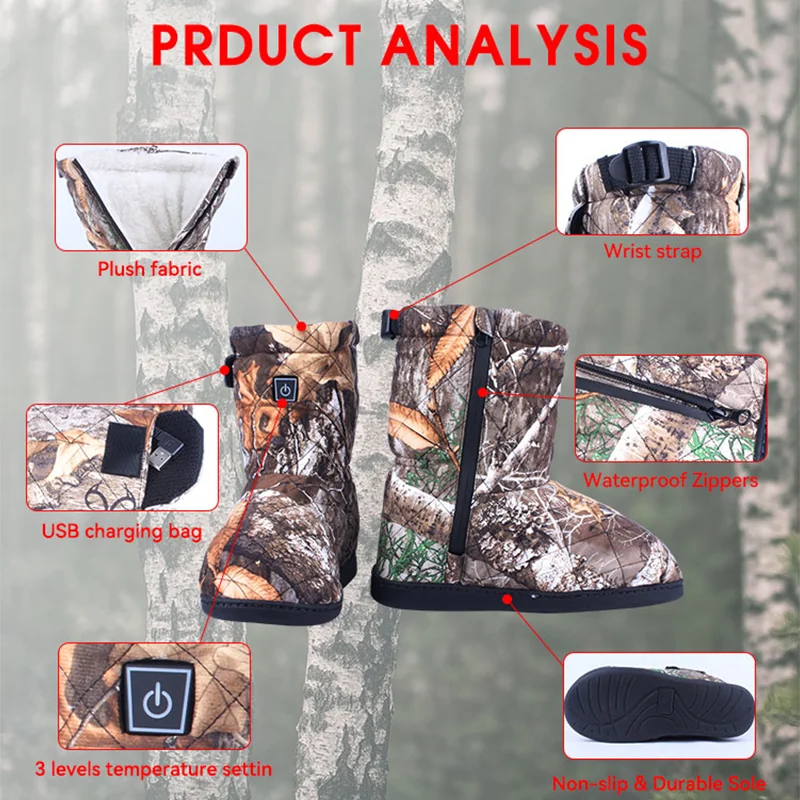
Rechargeable heated socks: 21700 cell pack before bulk shipment
3. 21700 versus 18650: The Specification That Sets the Launch Date
Attribute
21700
18650
Buyer implication
Format
18 mm dia × 70 mm
18 mm dia × 65 mm
5 mm longer; liner pocket grows
Nominal voltage
3.6 V
3.6 V
No controller redesign
Capacity
2,800–5,000 mAh
2,500–3,500 mAh
More energy per cell in a slim pack
Pack build
7.4 V, 2,000–6,000 mAh, 10–12 cells, 50–400 g
Same cell count
Pack BOM $18.50–$28.80 ex-works
Cell lead time
60–75 days
45–55 days
15–30 day penalty on 21700
Liner fit
Higher volumetric energy density
Lower volumetric energy density
21700 favours a slim vest liner
Volumetric energy density is why 21700 wins the slim liner, but the schedule decides most buying meetings: a 5,000-unit lot on 18650 cells can be produced 15–30 days sooner. Compliance burden is identical either way — a UN 38.3 test summary covering T.1–T.8 per cell part number, an IEC 62133-2:2017+AMD1:2021 pack report, and a 500-cycle report to 80% retention.
4. How to Score a Supplier on Cell Continuity
Seven criteria, 100 points; below 70 is not a risk you can manage with weekly calls.
Criterion
Weight
Evidence you must hold
Fail condition
Part-number traceability
20
Lot map from cell maker to pack serial to PO
Cells upgraded quietly
Allocation commitment
20
Signed allocation contract, firm volume
Terms exist only in email
Change control
20
PCN and EOL periods, re-test cost allocated
Changes without notice
Second-source readiness
15
Qualified second cell vendor on file
No alternative exists
Cycle and transport evidence
15
500-cycle report and UN 38.3 summary per part number
Summary stale or generic
Audit and financial standing
10
Audit rights, bankable quality clause
Factory audit refused
Ask any candidate heated apparel 21700 cell manufacturer to name the heated apparel 21700 cell OEM behind the part number, and to fill this table in writing; suppliers who reply with a marketing deck will not score above 40. Confirm which heated apparel 21700 cell wholesale route you buy through — no allocated volume for your lane means no protection either.
5. The 21700 Cell Allocation Contract Terms to Insist On
Clause
Terms the buyer should insist on
Why it matters
Firm allocation
70% of monthly volume against a 12-week rolling forecast
The other 30% stays negotiable
Flex band
±20% on the forecast, no unilateral cut inside the band
The band protects the PO
True-up
Quarterly reconciliation of shipped against forecast
Turns a promise into a number
Allocation-change notice
8–12 weeks written notice of any cut
Two weeks of notice is a launch miss
PCN and EOL
Notice periods plus last-time-buy rights
Protects the pack file
Second source
Right to qualify and buy from a second cell vendor
Dual-sourcing is worth real money
Qualifying a second cell vendor costs about $3,500 per cell part number and roughly three months; two part numbers is $7,000, spread across two 5,000-unit lots (10,000 units) that is $0.70 per unit. A buyer without a second source is paying about $0.70 per unit for optionality nobody has bought yet. Most heated apparel 21700 cell qualification talks stall here, because the factory reads a second-source clause as a threat rather than a priced option.
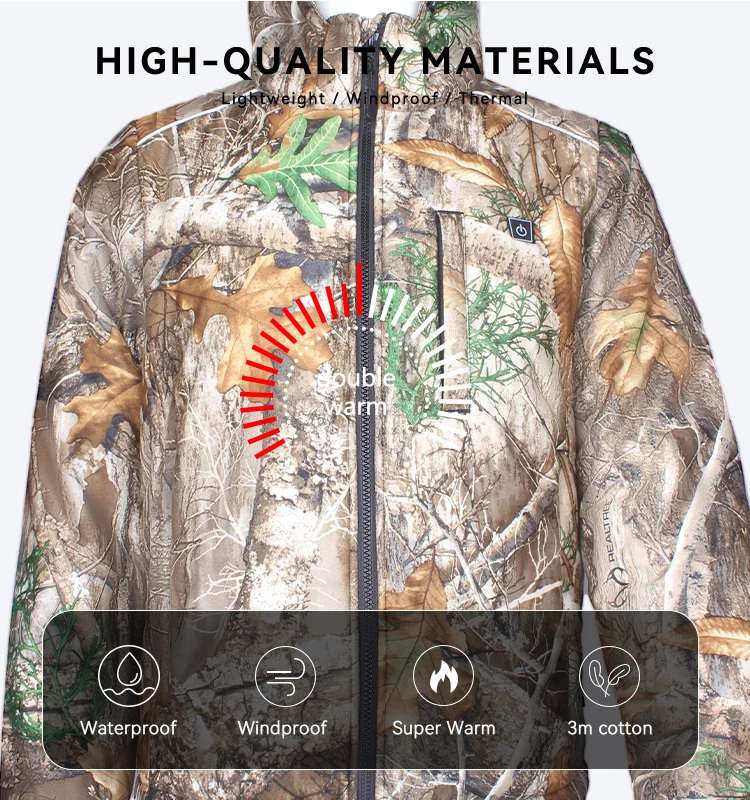
Wholesale heated apparel line: cell continuity acceptance binder in production
6. What a Cell-Change Notification Invalidates
Heated apparel 21700 cell change control is where the buyer loses money quietly. A revision by the same supplier — a new internal resistance or separator — is a new part number in every regulatory sense.
Artefact invalidated
Trigger
Who re-approves
Cost exposure
UN 38.3 test summary (T.1–T.8)
New internal resistance or separator
Cell maker and test lab
c. $1,800 per cell part number
IEC 62133-2:2017+AMD1:2021 pack report
Cell revision inside the pack
Pack maker
c. $4,500 per pack variant
Art. 8 information data set
Chemistry, mass, voltage or Ah change
Cell maker, then pack maker
4–6 weeks to re-issue
Pouch silkscreen chemistry and Ah
Capacity change
Garment maker
Art. 13 reprint, c. $0.06 per unit
EU Declaration of Conformity
Any of the above
You, as importer
Re-signature and file exposure
Transport classification (UN3481)
Revision altering test results
Logistics
Re-classification, possible re-ship
Note what is absent: vest tooling, pattern, sewing time. The garment survives; the paperwork does not. The 21700 cell allocation contract decides who pays for the re-tests.
Updated BOM and IEC 62133-2:2017+AMD1:2021 pack report
15 days
3. Garment maker
Garment maker
Art. 8 schedule, silkscreen chemistry and Ah, artwork
10 days
4. Importer
You
EU Declaration of Conformity re-issued and signed
5 days
5. Marketplace
You
Amazon FBA product-safety file updated before inbound
3 days
6. Transport
Logistics
UN 38.3 summary T.1–T.8 re-confirmed, UN3481 reclassified
10 days
Regulation (EU) 2023/1542 Article 8 runs information down a chain: cell maker, pack maker, garment maker, importer. The 21700 cell Art. 8 re-issue cascade lands on the brand owner because the importer signs the Declaration of Conformity, which is why wholesale heated apparel 21700 cell supply is a document flow, not a purchase order. One exemption is worth holding: Article 47 due diligence does not apply to portable packs under 5 kg, so no statement is filed for a garment pack.
8. Transport, Testing and the Amazon FBA Inbound Gate
Every cell part number needs its own UN 38.3 test summary covering T.1–T.8; a summary issued for a different revision is not evidence. Finished packs ship as UN3481 lithium-ion batteries contained in equipment, and Amazon FBA inbound is accepted at a state of charge at or below 30% — a process control that narrows the sailing window to one week.
On the product side the pack carries IEC 62133-2:2017+AMD1:2021, and US listings add UL 1642 or UL 2054. Those reports are issued against the pack, not the cell, which is why a cell revision forces a pack re-test. For a B2B buyer the sequence is simple: no cell part number, no purchase order, whatever the MOQ discount says.
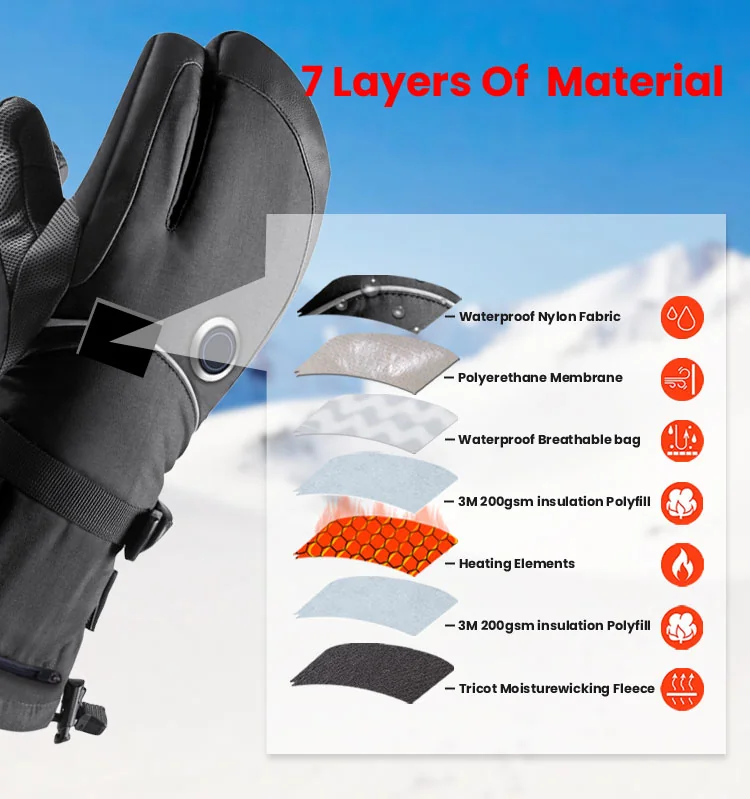
Insulated heated gloves: bulk cell allocation and FBA inbound prep
9. The Cost of an Allocation Shortfall and the Landed-Cost Ladder
Tier or line
$/unit
Basis
FOB factory
$28.40
Ex-works, compliance excluded
CIF
$31.13
Freight and marine insurance
DAP
$35.73
Delivered, EU duty unpaid
DDP-FBA
$36.81
Duty, customs, prep, Amazon FBA inbound
Section 301, China-origin lane
$2.84
10% of the $28.40 FOB base
Compliance reserve
$0.83
Buyer-side, $4,150 per 5,000-unit lot
Fully loaded planning unit
$38.44
$36.81 + $0.83 + $0.80 RMA at 2.8% of FOB
A two-week allocation shortfall on a 5,000-unit lot shipping 500 units a week leaves 1,000 units unshipped (2 × 500), worth $36,810 of landed value at $36.81 per unit ($36.81 × 1,000). Twenty-five days of pack safety stock absorbs it, if that stock exists. Section 301 at 10% on the China-origin lane costs $2.84 per unit, so compare duty-paid and duty-free lanes before accepting a quote; the deposit-to-delivery window is 60–65 days from deposit to on-board vessel, so a 70% firm allocation released late still lands late.
10. The Compliance Calendar: Art. 13, Art. 11 and 18 February 2027
Date
Obligation
Buyer action
Q1 2026
21700 cell allocation contract in force
Lock 70% firm and ±20% flex in writing
Q2 2026
Second cell part number qualified
3 months, $3,500 per cell part number
Q3 2026
Art. 8 information schedule signed
Append the schedule to the PO
Q4 2026
25 days of pack safety stock live
Hold against the 60–75 day cell lead time
18 Feb 2027
Art. 13 labelling: chemistry, Ah, CE, QR
Re-proof artwork before print release
18 Feb 2027
Art. 11 removability
Removable module; spare pack sold as accessory
From 18 February 2027, Article 13 labelling and Article 11 removability apply together, so a pack bonded into a vest liner has to become a module a user can reach. A hero launching 90 days before 18 February 2027 cannot be re-tooled in time. Our battery regulation and cell revision tracking covers what shifts when delegated acts land.
11. The Buyer Acceptance Binder: Seven Documents to Hold
#
Document
Anchor
Reject if
1
Cell part-number datasheet
Continuity
Chemistry, Ah or revision code missing
2
500-cycle report to 80% retention
Cycle life
Not issued per cell part number
3
UN 38.3 test summary T.1–T.8
Transport
A “compliant” letter, no summary
4
IEC 62133-2:2017+AMD1:2021 pack report
Pack safety
Report predates the current cell revision
5
Signed Art. 8 information schedule
Art. 8
Free-text spec sheet substituted
6
EU Declaration of Conformity
Legal instrument
Supplier’s CE certificate offered instead
7
Signed 21700 cell allocation contract
Supply continuity
Firm 70% and ±20% flex not in writing
Seven documents, one order of precedence. The binder is what turns wholesale heated apparel 21700 cell supply from a conversation into a file you can hand to a customs broker, an Amazon FBA compliance reviewer or a buyer taking over the category next year.
12. Eight Supplier Claims to Reject, and the Sign-Off Checklist
“Same cells, we only changed the internal resistance.” That is a new part number with a new test summary.
“Allocation can move weekly.” Then the 8–12 week allocation-change notice was never signed.
“UN 38.3 is a certificate; we will send it later.” The summary is per part number and arrives before the PO.
“Article 47 applies to your pack.” It does not; portable packs under 5 kg are out of scope.
“We will keep you informed of changes.” PCN and EOL periods are contractual or they are nothing.
“Cycle life is fine, we will show you after production.” The 500-cycle report comes first.
“Use our CE certificate for your listing.” Your Declaration of Conformity is your legal instrument.
“We can compress the 60–75 days for a premium.” That is a schedule you still own.
Sign-off checklist: binder complete; allocation contract signed with 70% firm volume, ±20% flex band and 8–12 week allocation-change notice; second cell part number qualified; 25 days of pack safety stock held; Art. 13 artwork proved against the chemistry, Ah, CE and QR core; Art. 11 removability confirmed for anything selling on or after 18 February 2027; UN3481 inbound at or below 30% state of charge; $0.83 compliance reserve and the 2.8% RMA reserve on separate lines; deposit-to-delivery window of 60–65 days agreed in writing. Allocation and lead time are where most B2B sourcing surprises appear, so we keep publishing supply chain risk notes against live cell-market moves.
Wholesale heated apparel 21700 cell supply is judged on one metric before any sample is cut: whether the supplier can name the cell part number behind the pack it quoted.
Every wholesale heated apparel 21700 cell supply conversation ends in the same place – the buyer wants the part number, the allocation position and the change notice period, in writing.
Summary
Wholesale heated apparel 21700 cell supply is a contractual matter: firm allocation, a flex band, a true-up date, an 8–12 week allocation-change notice and cost allocation for re-tests. The 21700 format buys volumetric energy density at a 15–30 day lead-time penalty, so the cell decision sets the launch date before the garment decision does. A cell revision invalidates the UN 38.3 summary, the IEC 62133-2 pack report, the Art. 8 schedule, the pouch silkscreen and your Declaration of Conformity, and the buyer inherits the cost. Hold the reserve at $0.83 per unit, hold 25 days of pack stock, and treat the 21700 cell allocation contract as the document that protects the season.
13. Frequently Asked Questions
1. What is wholesale heated apparel 21700 cell supply continuity in practice?
Cell maker, pack maker and garment maker agree notice periods and allocation volumes, so a 5,000-unit lot is not exposed to a mid-season cut.
2. How long is a 21700 cell lead time compared with 18650?
21700 runs 60–75 days against 45–55 days for 18650, a 15–30 day penalty that moves the launch date.
3. What does a cell change do to my compliance file?
It invalidates the UN 38.3 test summary, the IEC 62133-2 pack report, the Art. 8 data set, the pouch silkscreen and your Declaration of Conformity.
4. How much compliance reserve should I book per unit?
Our buyer-side figure is $0.83 per unit, which is $4,150 on a 5,000-unit lot, plus a separate 2.8% RMA reserve.
5. What should a 21700 cell allocation contract contain?
Firm 70% of monthly volume against a 12-week rolling forecast, a ±20% flex band, quarterly true-up, an 8–12 week allocation-change notice, PCN and EOL periods, a bankable quality clause, audit rights and a second-source clause.
6. How long does second-source qualification take and what does it cost?
About three months and about $3,500 per cell part number, roughly $7,000 for two, which spreads to about $0.70 per unit across two 5,000-unit lots.
7. What happens if my allocation is cut by two weeks?
A 5,000-unit lot shipping 500 units a week leaves 1,000 units unshipped, worth $36,810 of landed value at $36.81 per unit.
8. What is the 21700 cell Art. 8 re-issue cascade?
The chain in which a cell revision forces pack maker, garment maker, importer and logistics to re-issue data, reports, artwork and transport classification over 6–8 weeks.
9. When do Art. 13 labelling and Art. 11 removability apply?
Both apply from 18 February 2027, so labels must carry chemistry, Ah, CE and QR, and packs must be removable by the end user.
10. Does Art. 47 due diligence apply to a heated-garment pack?
No; it covers industrial batteries above 2 kWh, EV batteries and portable batteries above 5 kg, and a garment pack is far below that.
11. What state of charge applies on Amazon FBA inbound?
UN3481 lithium-ion consignments should enter at or below 30% state of charge, a process control that fixes the shipping week.
12. Which safety standards must the pack meet?
IEC 62133-2:2017+AMD1:2021 for the pack in the EU, UL 1642 or UL 2054 for US listings, plus a UN 38.3 summary per cell part number.
13. Is there a minimum lot size for a 21700 cell quote?
MOQ is a cell-maker matter, so ask for the cell part number’s minimum alongside the garment MOQ, because the cell minimum can set the pack build quantity.
14. Who pays when the supplier revises a cell mid-program?
The contract decides; make re-test and re-approval costs follow the party that initiated the change, and hold the $0.42 per unit OEM reserve against it.
Heated jacket for work 2026 B2B workwear guide covers battery life, heating zones, IP rating, OSHA PPE alignment, and OEM wholesale sourcing for outdoor trades.
Frequently Asked Questions
What types of heated apparel does IMISSKY manufacture?
IMISSKY INDUSTRIAL LIMITED manufactures a full range of heated clothing, including heated gloves, heated socks, heated insoles, heated hats and headwear, heated hand warmer pouches, and heated jackets / vests / hoodies. We use carbon fiber, graphene, and composite heating element technologies, with OEM/ODM services for global brands.
Do you offer OEM/ODM and private label manufacturing for heated apparel?
Yes. We are a heated apparel factory with full OEM/ODM and private label capabilities, including custom heating element design, fabric selection, battery pack sizing, branding, packaging, and drop-shipping. Our B2B clients include outdoor, hunting, motorcycle, ski, and lifestyle brands across North America, Europe, and Asia.
What is the minimum order quantity (MOQ) for heated clothing?
MOQ depends on product type and customization level. For standard heated gloves and socks, MOQ typically starts at 500 pairs per style per colorway. For heated jackets/vests with custom heating zones and battery configurations, MOQ usually starts at 300-500 pieces. We support smaller pilot runs for new brands entering the heated apparel market.
Can I source heated apparel from Vietnam to avoid U.S. tariffs?
Yes. IMISSKY operates a Vietnam manufacturing supply chain in addition to our Shenzhen facility, which helps our U.S. clients navigate the U.S.-China tariff environment (Section 301, HTS 6117 / 6101 / 6210). Vietnam-made heated apparel can qualify for preferential duty treatment, reducing landed cost. Contact our trade team for a tariff impact analysis on your specific product mix.