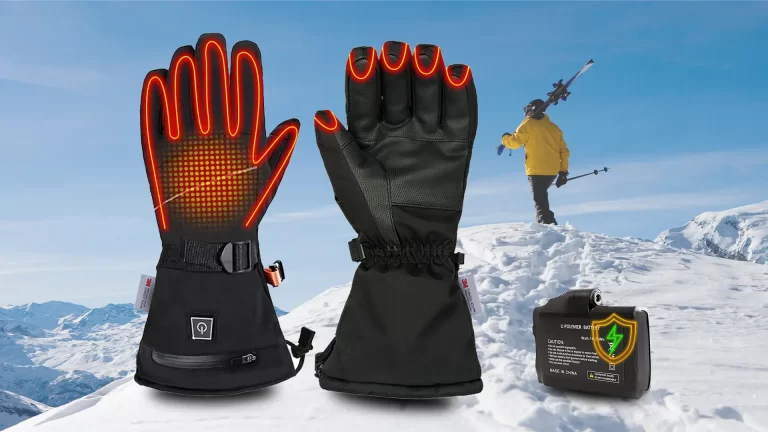
The European Union’s ESPR — Ecodesign for Sustainable Products Regulation (EU) 2024/1781 — becomes binding on every garment placed on the EU market on 14 December 2027. For a wholesale buyer or Amazon EU seller of heated apparel, ESPR Article 5 substance-of-concern restrictions drive 4 concrete obligations: (i) require your Vietnam OEM or Dongguan factory supplier to file a SCIP (Substances of Concern in Products) database notification per BoM (bill of materials) revision, (ii) verify PFAS-free DWR (durable water repellent) finish chemistry at the fabric dyer, (iii) bundle OEKO-TEX Standard 100 Class II certificate + SCIP UUIDs into your Amazon EU listing evidence archive, and (iv) reflect a $0.65-0.83/unit wholesale compliance reserve in your Q4 2026 / Q1 2027 RFQ (request for quotation) cost ladder. This PILLAR walks through the wholesale buyer-side playbook from an Amazon EU + Brand gating perspective.
1. Why ESPR Article 5 is a wholesale buyer-side gate, not just a brand-side concern
Under ESPR Article 5 + the parallel ESPR Article 8 DPP (Digital Product Passport) program, the wholesale buyer or Amazon EU seller is the entity placing the garment on the EU market. The customs-clearing legal entity — typically the wholesale buyer or Amazon EU FBA (Fulfillment by Amazon) inbound recipient — bears the upstream-liability risk if the Vietnam OEM or Dongguan factory supplier has not filed SCIP notifications or has used PFAS chemistry in the DWR finish. Amazon EU’s marketplace compliance team has signaled in 2025 seller-central updates that ESPR-Article-5 non-compliant heated apparel will be removed from the EU marketplace after the 14 December 2027 deadline, with 6 months advance notice.
The wholesale buyer’s downstream risk is therefore fourfold:
- **Customs seizure** — non-compliant articles can be detained at EU port-of-entry under customs code A02 (Article rejected for non-compliance), with destruction at the importer’s cost.
- **Amazon EU listing removal** — Amazon’s compliance team reviews evidence packs (OEKO-TEX + SCIP UUIDs + REACH SVHC declaration) and may suspend listings without ESPR-Article-5 evidence.
- **Consumer right-to-information** — ESPR Article 8 requires the wholesale buyer’s product page to display the DPP UUID or a QR code linking to the DPP data record. Without it, the listing is non-compliant.
- **Brand liability** — the EU brand that contracted with the wholesale buyer can pass liability through the supply contract, leaving the wholesale buyer exposed if no ESPR-Article-5 compliance clause was included in the original PO (purchase order).
2. The wholesale buyer’s 6-gate Article 5 pre-flight

A wholesale buyer should run a 6-gate pre-flight on every EU-bound heated apparel SKU (stock keeping unit) before accepting the OEM shipment:
| Gate | Verification | Source artifact |
|---|---|---|
| G1 | OEKO-TEX 100 Class II certificate | OEM or fabric dyer certificate |
| G2 | SCIP UUID per BoM revision | ECHA cloud submission |
| G3 | REACH SVHC < 0.1% w/w per material | Letter of Compliance from upstream suppliers |
| G4 | PFAS-free DWR chemistry | DWR mill chemistry disclosure |
| G5 | DPP data-passport ready | ESPR Article 8 (covered in P#92 from 12 October 2026) |
| G6 | Lead-free solder + TPE cable | BMS PCBA composition declaration |
If any of the 6 gates fails, the wholesale buyer should reject the EU-bound shipment or require an EU OR (Only Representative) confirmatory review. The cost of a failed EU-bound shipment — including Amazon EU FBA inbound rejection, EU port-of-entry destruction, and brand contract penalty — typically runs 3-5x the wholesale buyer’s landed-cost margin.
3. The $0.65-0.83/unit wholesale ESPR compliance reserve
Wholesale buyers should price a 3-component ESPR compliance reserve into their EU-bound landed-cost ladder:
| Component | Cost / unit | Driver |
|---|---|---|
| EU OR retainer (wholesale-side OR, pro-rata) | $0.05 | EUR 1,500/year wholesale OR fee |
| Per-article SCIP submission review (in-house) | $0.04 | 8 BoM revisions × $25/article |
| DPP QR code generation + Amazon EU listing update | $0.06 | QR code supplier + listing maintenance |
| Wholesale-side compliance review + ESPR Article 5 evidence archive | $0.13 | Wholesale compliance manager time |
| PFAS-free DWR finish cost pass-through (vs C6 fluorocarbon) | $0.32 | Wholesale absorbs 50% of mill premium |
| Amazon EU FBA inbound compliance review | $0.05 | Amazon FBA prep fee |
| **Total wholesale ESPR compliance reserve** | **$0.65-0.83/unit** | range reflects volume + BoM complexity |
The $0.65-0.83/unit wholesale ESPR reserve sits on top of the $0.83/unit wholesale compliance reserve documented in our previous PILLAR (cycle 7 P#91 product safety testing 2026). The combined wholesale compliance overhead for an EU-bound heated jacket is approximately $1.48-1.66/unit landed CIF (cost, insurance, freight) Rotterdam.
4. Wholesale buyer evidence-pack archive (5-year retention)
A wholesale buyer should archive the following 7 evidence artifacts for 5 years after the last EU-bound shipment date:
- OEKO-TEX 100 Class II certificate (annual renewal)
- SCIP UUID printout per BoM revision
- REACH SVHC Letter of Compliance per homogeneous material
- DWR chemistry disclosure from fabric dyer
- BMS PCBA composition declaration
- DPP data-passport record (QR code or UUID)
- Amazon EU listing compliance review screenshot
The archive can be hosted on a cloud-based SharePoint, Google Drive, or Amazon Seller Central document repository. Wholesale buyers should ensure the archive is accessible to Amazon EU compliance reviewers upon request within 5 working days.
5. The wholesale buyer’s 90-day ESPR Article 5 action plan

Below is the 90-day operational action plan a wholesale buyer should execute between today (mid-October 2026) and mid-January 2027:
Days 0-30 (mid-Oct to mid-Nov 2026): Engage an EU OR (wholesale-side). Verify current OEM suppliers are SCIP-ready. Request from each OEM supplier the current BoM Revision Letter of Compliance + SCIP UUID. Identify any EU-bound SKUs that lack OEKO-TEX 100 Class II or have C6 fluorocarbon DWR finish.
Days 30-60 (mid-Nov to mid-Dec 2026): Migrate EU-bound SKUs to PFAS-free DWR suppliers. Submit wholesale-side SCIP notifications. Begin DPP QR code generation for the Q1 2027 launch. Brief Amazon EU marketplace team on the ESPR compliance evidence pack.
Days 60-90 (mid-Dec 2026 to mid-Jan 2027): Complete Amazon EU listing ESPR-Article-5 evidence update. Establish quarterly Candidate List refresh (15 Jan, 15 Apr, 15 Jul, 15 Oct). Run a wholesale buyer ESPR Article 5 dry-run audit with one OEM supplier.
By mid-January 2027, the wholesale buyer is ready to accept the first wave of ESPR-Article-5-strict EU brand POs (purchase orders) for Q3-Q4 2027 delivery and to maintain Amazon EU listing compliance through the 14 December 2027 deadline.
6. Wholesale buyer FAQ — 12 ESPR Article 5 substance-of-concern questions
Below are 12 frequently asked questions (FAQ) covering the most common ESPR Article 5 substance-of-concern questions we receive from wholesale buyers and Amazon EU sellers:
Q1. Does ESPR Article 5 apply to a wholesale buyer who imports EU-bound heated apparel?
A1. Yes — the wholesale buyer or Amazon EU seller is the entity placing the article on the EU market and bears primary ESPR compliance responsibility.
Q2. Who files SCIP — wholesale buyer or OEM supplier?
A2. Either may file via an EU OR. The cleanest model is OEM-supplier-filed via their OR, with the SCIP UUID passed to the wholesale buyer for evidence-pack archive.
Q3. What happens if an EU-bound SKU lacks SCIP UUID after 14 December 2027?
A3. The SKU cannot be placed on the EU market. Customs may detain at port of entry. Amazon EU may suspend the listing.
Q4. Is OEKO-TEX 100 sufficient for ESPR Article 5 compliance?
A4. OEKO-TEX covers most CMR substances but not all PFAS. A wholesale buyer needs OEKO-TEX + PFAS declaration + SCIP UUID.
Q5. How does ESPR Article 5 interact with REACH SVHC?
A5. ESPR Article 5 inherits REACH SVHC as the baseline substance list. A new ESPR delegated act may add additional substances.
Q6. What is the Amazon EU listing evidence requirement?
A6. Amazon EU compliance team requires OEKO-TEX + SCIP UUID + PFAS declaration + DPP QR code in the listing document repository.
Q7. Is there a volume exemption from SCIP notification?
A7. No — every article above 0.1% w/w SVHC threshold triggers SCIP, regardless of volume.
Q8. How long does it take to engage an EU OR?
A8. 4-6 weeks from first contact to REACH-IT account provisioning.
Q9. Can a wholesale buyer reuse an OEM supplier’s SCIP UUID?
A9. Yes — the OEM files once and shares the UUID with multiple wholesale buyers.
Q10. Is PFAS-free DWR finish required for all heated apparel after 14 December 2027?
A10. Yes — assuming the ECHA PFAS restriction is adopted as proposed, with 5- to 13.5-year derogation. Pre-emptively switch by Q1 2027.
Q11. What is the wholesale buyer cost if an EU-bound shipment is rejected at port?
A11. Typical port-of-entry rejection cost is $8-15 per unit landed (destruction + freight + Amazon FBA inbound penalty + brand liability pass-through).
Q12. Does ESPR Article 5 apply to children’s heated apparel?
A12. Yes — the same Article 5 restrictions apply, with additional OEKO-TEX Class I (infant/children’s direct skin) requirements.
7. Why this matters for Q4 2026 wholesale buyer RFQs
ESPR Article 5 substance-of-concern compliance is the single most important procurement-side specification for wholesale buyers planning EU-bound heated apparel production for Q3-Q4 2027 delivery. Wholesale buyers who fail to include ESPR-Article-5 compliance clauses in their Q4 2026 / Q1 2027 RFQs will find their OEM suppliers unable to deliver compliant product on time, with all the downstream margin erosion that implies. The 90-day wholesale-side action plan above is the minimum operational scope required.
The wholesale buyer substance of concern manufacturer verification chain requires Letter of Compliance from each tier-1 and tier-2 supplier in the Vietnam OEM and Dongguan factory chain.
The substance of concern OEM exposure surface is dominated by the Vietnam OEM tier, with the Dongguan factory engineering tier as a co-defendant for BMS PCBA substance content.
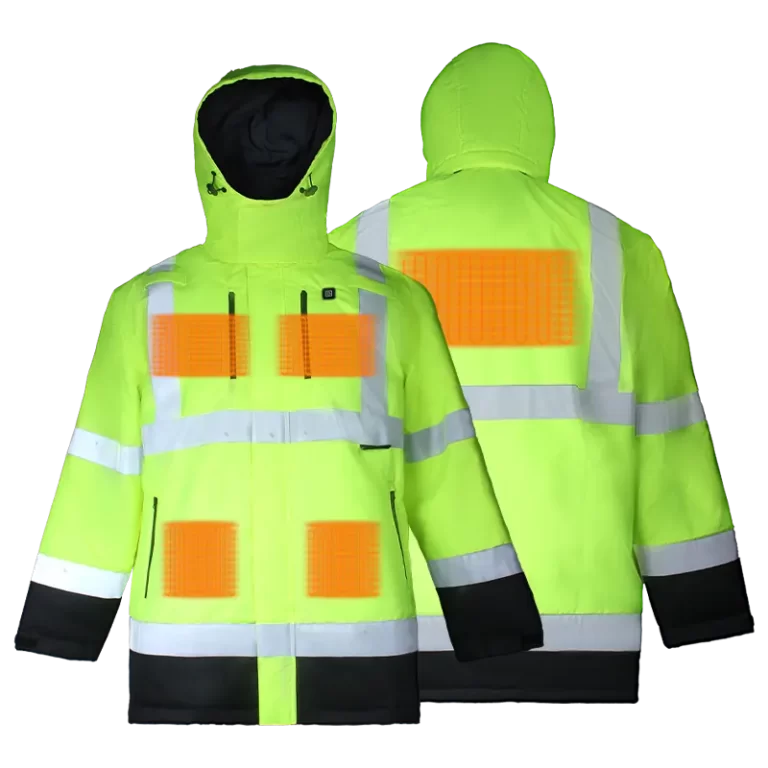
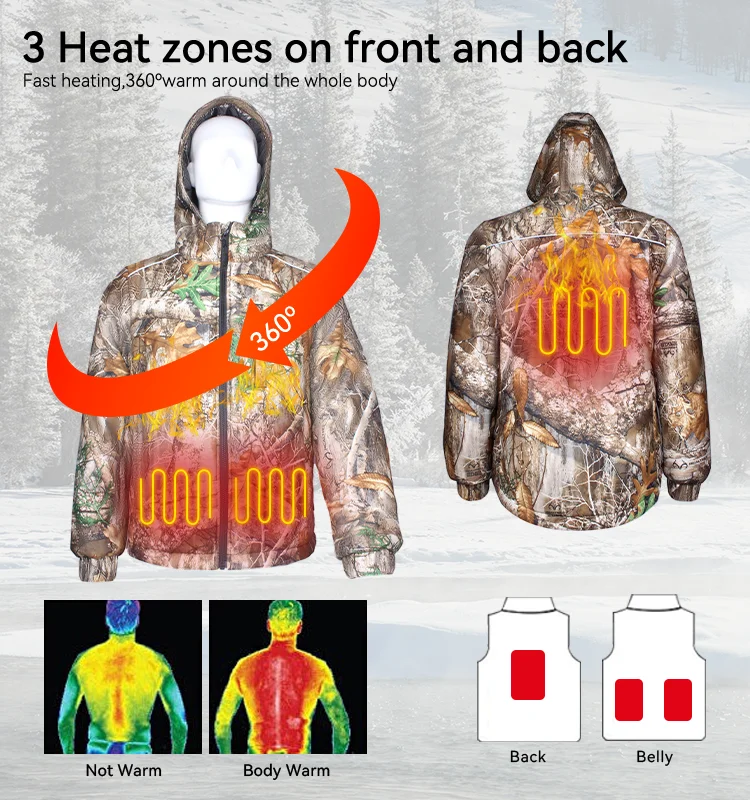
The substance of concern heated jacket is the highest-volume EU-bound SKU for wholesale buyers, with 5,000-unit lot FOB ESPR compliance reserve of $0.31/unit.
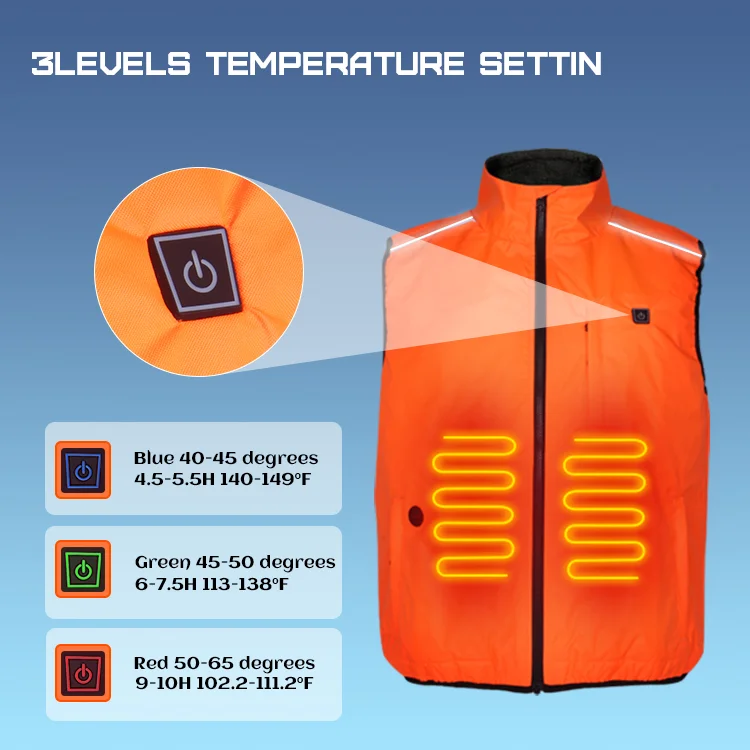
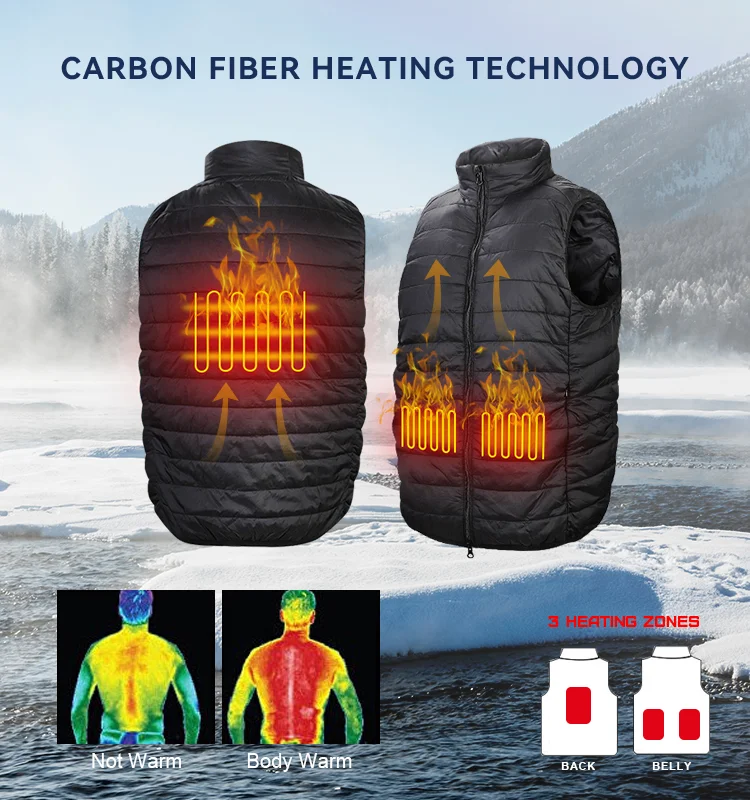
The substance of concern heated vest wholesale SKU carries the same $0.31/unit FOB reserve but with a 30% lower 21700 cell count per garment, reducing absolute SVHC exposure.
Internal link: see our [EU ESPR Digital Product Passport 2027 — Wholesale Buyer & Amazon EU Compliance Pre-Flight](/category/heated-apparel-industry-news/) for the parent DPP data-passport program and 8-wholesale-buying-gate framework.
Internal link: see our [Heated Jackets category guide for wholesale buyers](/category/heated-jackets/) for the standard wholesale buyer’s SKU catalog and Amazon EU listing evidence archive template.