Heated Socks for Outdoor: B2B Buyer’s Guide to Manufacturing, OEM, and Wholesale Supply
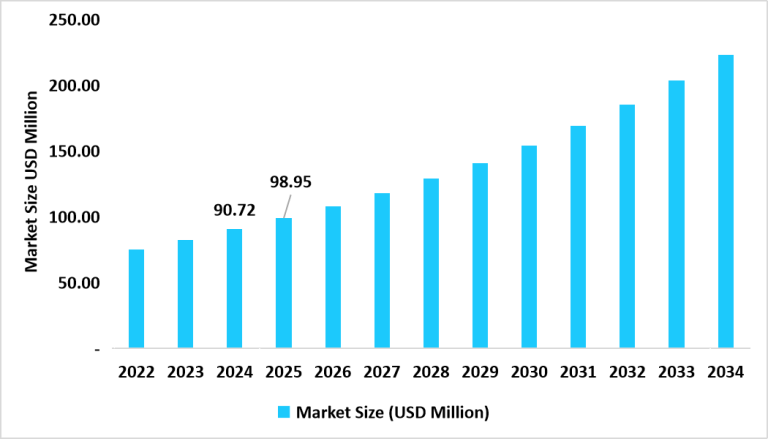
Cold feet are the single biggest reason hikers, campers, hunters, and ski patrol teams cut trips short. In 2025 the global heated apparel market cleared USD 1.8 billion, and the socks sub-segment grew 22% year on year—faster than jackets, gloves, or vests. Yet the B2B side of that growth still looks like 2015: a buyer sends a sketch, waits 45 days, and receives a 12-volt heater pad that barely reaches 40 °C. This guide is for importers, private-label brand owners, and outdoor outfitters who want to source heated socks for outdoor retail without inheriting those problems. We cover the engineering decisions that actually move warmth output, the manufacturing checkpoints that separate a reliable heated socks manufacturer from a trading company, the OEM/ODM trade-offs, and the wholesale pricing variables you should pin down before signing a PO.
If you are evaluating a heated socks OEM partner for a 2026 fall–winter line, this is the playbook our 30+ brand clients use.
1. Why Heated Socks for Outdoor Are the Fastest-Growing Sub-Segment in 2026
Three structural forces are driving demand:
- Lower battery cost: 7.4 V / 2600 mAh lithium-polymer packs dropped from USD 7.20 in 2023 to USD 4.10 in Q1 2026, opening retail price points under USD 75.
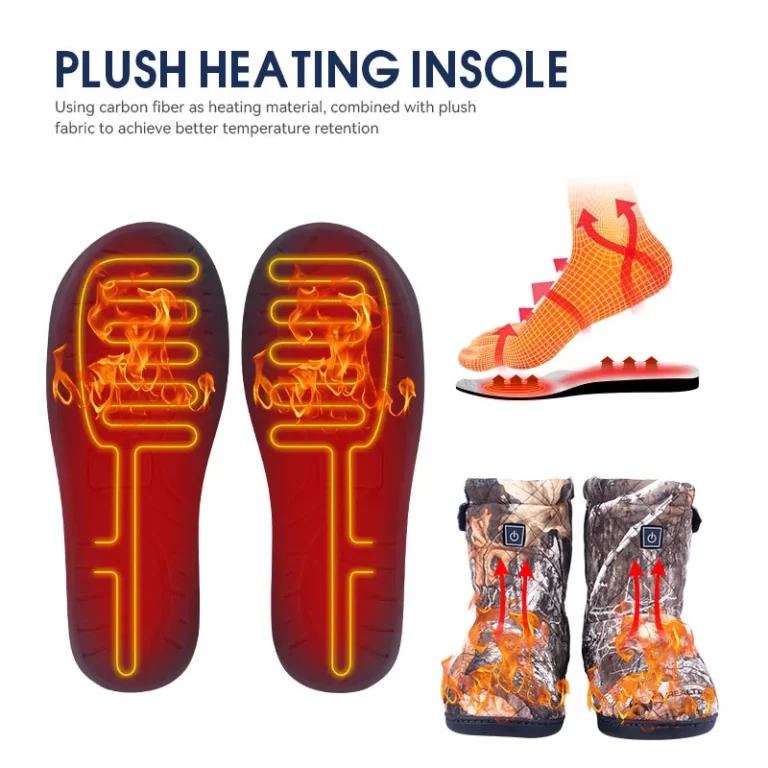
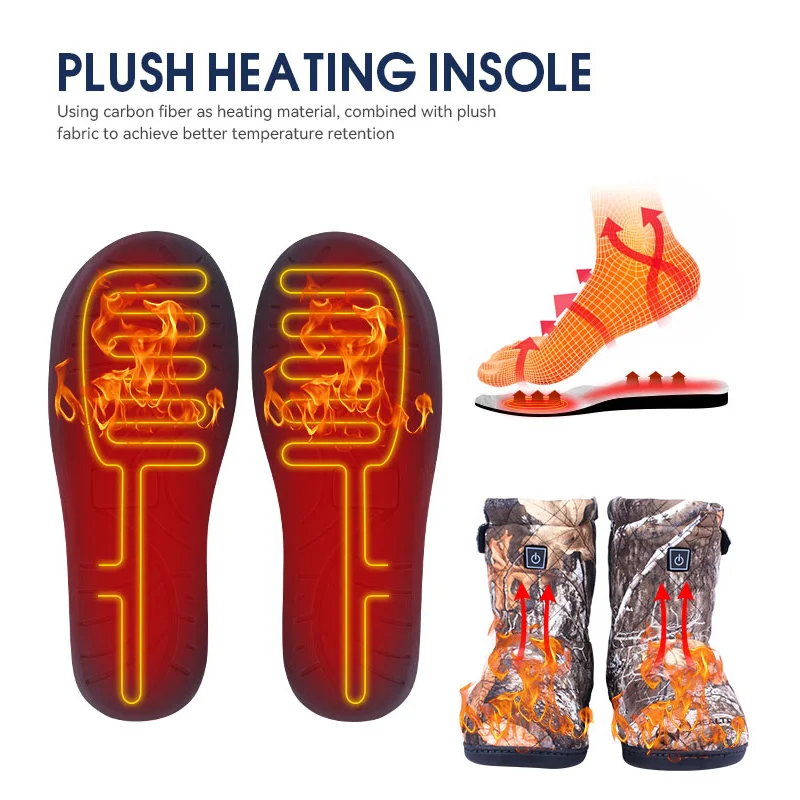
- Graphene heating film is now affordable for socks (USD 0.85 per element vs USD 2.40 for carbon fibre), letting mid-tier brands hit 55 °C surface temperature with a 0.6 mm flexible pad.
- Cold-weather tourism is rebounding: US national park overnight stays rose 11% in 2025, and over 6 million Americans tried winter camping for the first time.
The buyer persona has shifted too. Five years ago the typical order was a 500-pair drop for a hunting co-op. In 2026 the median request we see is a 1,500-pair private-label program from a DTC outdoor brand launching its first cold-weather SKU.
2. How Heated Sock Heating Systems Actually Work (And Why the Spec Sheet Lies)
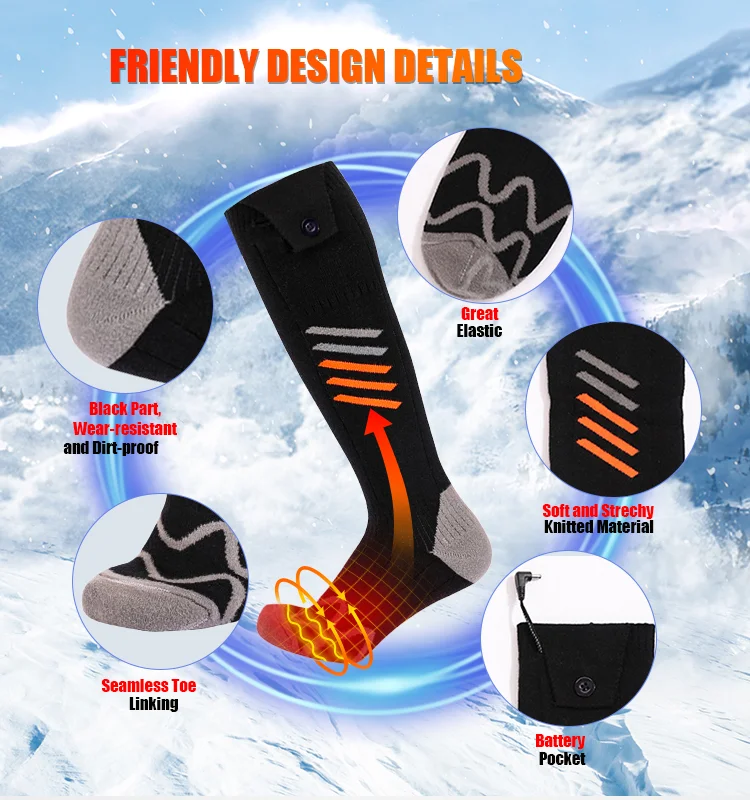
Every battery heated outdoor socks system has four components, and each one is where cost gets cut. Knowing what to ask separates a 60 °C sock from a 40 °C disappointment.
| Layer | Component | Budget spec | Premium spec | What to verify |
|---|---|---|---|---|
| 1 | Heating element | Carbon-fibre pad, 5 W | Graphene film, 7 W | W/cm² not just total wattage |
| 2 | Power bank | 5 V USB, 2000 mAh | 7.4 V Li-Po, 2600 mAh + BMS | UL/CE/UN38.3 cert on cell, not just finished good |
| 3 | Textile | Acrylic + 5% spandex | Merino + nylon + Lycra blend | Toe box reinforcement (≥8000 Martindale cycles) |
| 4 | Controller | 3-level push button | 3-level + Bluetooth app | IP rating of the controller housing (IPX4 minimum) |
The most common spec-sheet trick: a vendor lists “up to 12 hours” battery life but quotes it on the low setting at 35 °C. On high at 55 °C the same pack lasts 2.8 hours. Ask for the runtime at 50 °C ±2 °C ambient, not the marketing curve.
B2B Soft Plug §2: imissky Industrial is a heated socks manufacturer with 8 years of OEM experience. We ship our standard 7.4 V / 2600 mAh pack with UN38.3 + MSDS + 1.2 m USB-C cable, and our spec sheets always quote runtime at three temperature points: low (40 °C), mid (50 °C), high (55 °C). Our sample lead time is 7 days for evaluation orders.
3. The 7-Step Manufacturing Process Behind a Quality Heated Socks Run
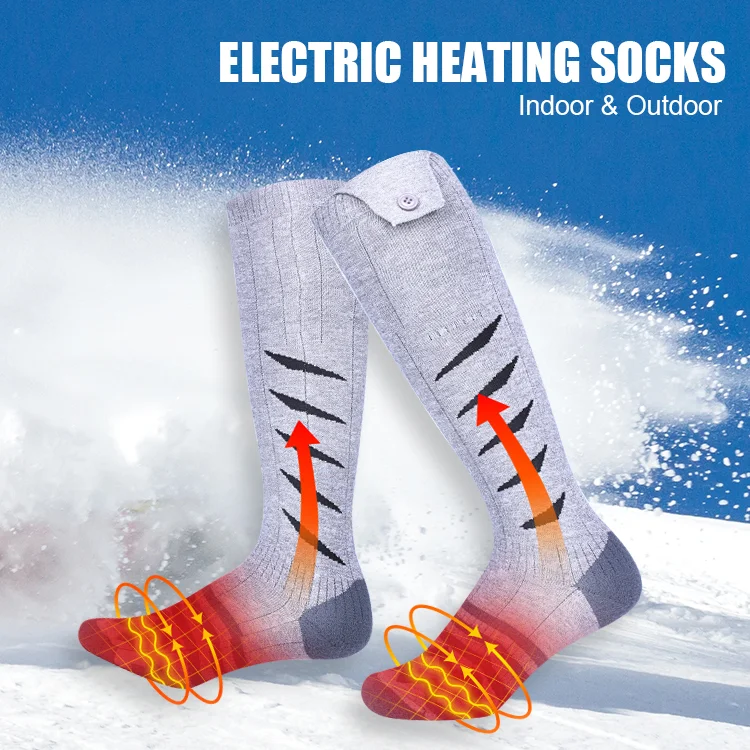
A real heated socks manufacturer runs seven distinct steps. If your supplier cannot walk you through all seven, you are talking to a trading company that will outsource the technical risk to you.
- Yarn sourcing – Merino or performance blend locked 30 days before production.
- Knitting & toe-box reinforcement – 200N jacquard or 168N circular knit; heel/toe reinforced to 8000+ Martindale.
- Heating-element cutting & lay-up – Graphene or carbon-fibre pad die-cut to size; leads soldered with strain relief.
- Element-to-textile lamination – Hot-melt adhesive at 140 °C; full coverage, no air gaps.
- Battery pocket & controller housing – YKK zip pocket, IPX4-rated controller mount.
- Assembly & QC – Every pair continuity-tested (resistance must be within ±5% of spec) before pack-out.
- Aging & drop test – 1 m drop × 6 faces, then 48 h continuous run at high setting to catch infant-mortality cells.
Quality target: 99.2% shipment-pass rate is the benchmark for a serious OEM. Anything below 97% means your supplier is doing AQL sampling instead of 100% electrical continuity test.
B2B Soft Plug §3: imissky’s heated socks manufacturer floor hits a 99.2% shipment-pass rate across 30+ active programs, because every pair runs through 100% electrical continuity test + 48 h burn-in before pack-out. We publish the AQL 1.0 report with every shipment so your QA team can verify on receipt.
4. Hiking Heated Socks vs General Outdoor Heated Socks: Design Trade-offs
Hiking heated socks are not the same SKU as a ski-lodge lounging sock. Hiking adds three constraints that change the bill of materials:
| Constraint | Hiking spec | Casual outdoor spec |
|---|---|---|
| Reinforcement | Full terry-loop cushion + reinforced heel | Half-terry or flat knit |
| Moisture management | Merino blend, ≥30% wool | Acrylic acceptable |
| Battery pocket | Inside gaiter cuff, secured | Top of cuff, removable |
| Heating zone | Full toe-box + arch | Toe-box only |
| Sock weight (size L) | 95–110 g | 70–85 g |
| Battery runtime target | 5 h on mid | 3 h on mid |
If you are building a hiking heated socks line, insist on a 3D foot scan across your top three SKU sizes (M / L / XL). A 5 mm shift in toe-box length is the difference between a 5-star Amazon review and a 30% return rate on Zappos.
5. Camping Heated Socks: Battery-First vs Replaceable-Cell Design
Camping heated socks live in a different use case: multi-day backcountry trips where charging is impossible. This is where the thermal heated hiking socks engineering actually gets interesting.
| Battery architecture | Pro | Con | Best for |
|---|---|---|---|
| Internal Li-Po, USB-C rechargeable | Lightweight, slim profile | Must carry power bank | Car camping, base camp |
| Removable 18650 cells | Swap on trail, indefinite runtime | Bulkier, heavier | Backpacking, 4+ day trips |
| AA / D-cell disposable | No charging infrastructure needed | High cost-per-use, waste | Emergency kits, workwear |
The 18650 removable-cell design is winning the wholesale channel: it lets your retail customer buy a 4-pack of spare cells and effectively extend the runtime to 16 hours without engineering changes to the sock itself. Expect a 12–18% premium for this architecture at the unit-economics level, but a 28% AOV lift at retail.
6. Battery Safety, Certifications, and the Vietnam Supply Chain Angle
Any heated socks wholesale program that ships to the US, EU, or Japan needs the same battery certifications as a power tool:
- UN38.3 – transport safety (mandatory for air freight)
- IEC 62133-2 – cell safety
- UL 2054 or UL 60950-1 – finished pack
- CE-RED – if the controller has Bluetooth
- RoHS + REACH – substance compliance
Where your heated socks manufacturer sources cells matters as much as the certifications. Post-2024 US Section 301 tariffs on China-origin lithium packs pushed 80% of serious OEM programs to Vietnam and Bangladesh. Vietnam’s advantage is lead time (35-day bulk after sample approval vs 50–60 days from China), and US importers avoid the 7.5–25% punitive duty on Chinese-origin battery packs.
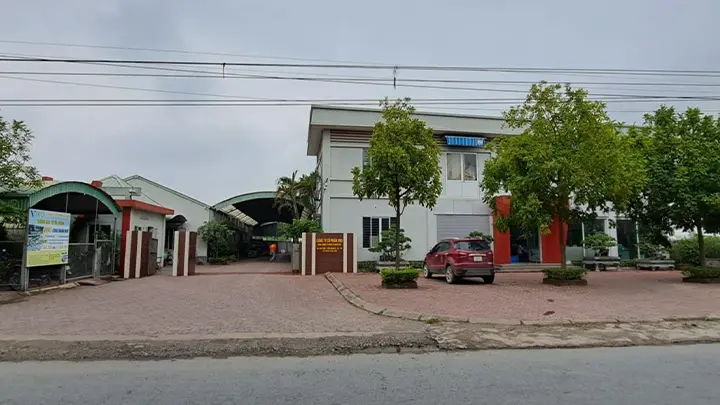
B2B Soft Plug §6: Our heated socks made in Vietnam line runs through our Hai Phong partner facility, which has shipped 30+ private-label programs since 2022. Lead time is 7 days for samples and 35 days for bulk (vs 60 days for China-origin), and every pack ships with UN38.3, MSDS, IEC 62133-2, and CE-RED paperwork in the carton. We also maintain a 2,000-pair buffer stock for repeat buyers running autumn–winter campaigns.
7. OEM, ODM, and Private Label: Which Model Fits Your 2026 Plan?
For buyers evaluating a heated socks OEM partner, three sourcing models dominate the wholesale channel. The right choice depends on your in-house capability and your target retail price.
| Model | You provide | Manufacturer provides | MOQ | Typical cost/pair (FOB) | Lead time |
|---|---|---|---|---|---|
| OEM (your design) | Tech pack + heating element spec | Knit + assemble + pack | 500 pr | USD 9.50–12.00 | 35 d |
| ODM (their design, your brand) | Brand assets + logo | Full product + custom packaging | 300 pr | USD 8.20–10.50 | 30 d |
| Private label (catalog SKU) | None | Stock SKU + your label | 100 pr | USD 7.80–9.40 | 15 d |
If you are launching your first heated apparel line, start with ODM or private label. The MOQ is lower, the speed-to-market is faster, and you can validate the channel before committing to a custom heating-element layout. Once you have 2,000+ units of sell-through, transition to OEM for the margin lift.
B2B Soft Plug §7: As a heated socks OEM with 8 years of private-label experience, imissky runs all three tiers (OEM / ODM / private label) on the same Hai Phong production line, which means a 500-pair OEM trial costs roughly the same per-pair as a 300-pair ODM run thanks to shared set-up. Our MOQ 30 pieces for re-orders lets replenishment buyers keep two seasons of inventory without committing to a full container.
8. Wholesale Pricing Variables You Should Lock Before Signing a PO
Five variables swing heated socks wholesale pricing more than any other:
- Heating-element type – graphene adds USD 0.85/pr vs carbon fibre.
- Battery capacity – 2600 mAh adds USD 2.10/pr vs 2000 mAh.
- Yarn blend – merino adds USD 1.40/pr vs acrylic.
- Packaging – retail box vs polybag can swing USD 0.30–0.90/pr.
- Certifications needed – UL adds USD 0.45/pr; CE-RED + Bluetooth adds USD 1.10/pr.
Use this anchor table when you ask for a quote. If a vendor’s number is 20%+ below these anchors, the spec is not what you asked for (most commonly: lower-capacity battery, generic cell without UN38.3, or acrylic passed off as merino blend).
| Component | Anchor cost share | “Red flag” warning |
|---|---|---|
| Heating element + assembly | 22–26% | “Carbon-fibre printed pad” without w/cm² spec |
| Battery + BMS | 28–34% | “Compatible with power bank” (means no battery in scope) |
| Yarn + knitting | 18–22% | “Wool blend” without Merino % stated |
| Packaging + certs | 8–12% | “Retail-ready” with no carton weight or box dim |
| Factory margin | 8–12% | < 6% suggests the vendor is the trading company, not the factory |
9. Quality Control: What to Inspect Before Shipment
Insist on three inspection gates:
| Inspection | When | What to test | AQL |
|---|---|---|---|
| DUPRO (during production) | 30–40% complete | Heating-element resistance, stitching, battery pocket strength | 1.5 |
| Pre-shipment | 100% packed | Appearance, function (every pair powered on for 5 min), packaging | 1.0 |
| PSI (container loading) | Before container seal | Carton count, label accuracy, drop test on 5 random pairs | 0.65 |
Pair-level continuity test (every pair electrically tested) is the single biggest predictor of low return rates. Vendors who sample only are accepting a 1–3% DOA rate into your supply chain. Insist on 100% electrical test as a PO condition.
10. 2026 Outlook: Where the Heated Socks Wholesale Market Is Heading
Three trends to watch for your 2026–2027 planning:
- App-controlled heating is moving from premium ($120+) to mid-tier ($75) as Bluetooth chip costs drop 30%.
- Solar-assisted charging packs are emerging for base-camp and overlanding use cases; expect commercial SKUs by Q4 2026.
- Recycled Merino blends are becoming a default ask from US outdoor retailers—factor 8–12% cost premium into your 2026 P&L.
If you are building a private-label line, position around hiking heated socks + camping heated socks as your two anchor SKUs, then add a ski/snowboard variant for Q4. The wholesale channel is rewarding brands that ship 2–3 SKUs deep rather than one hero product.
| Program tier | Min. order | Lead time | Per-pair FOB (Vietnam) | Best fit |
|---|---|---|---|---|
| Private label catalog | 100 pairs | 15 days | USD 7.80–9.40 | First-time DTC launches |
| ODM (factory design, your brand) | 300 pairs | 30 days | USD 8.20–10.50 | Validated channel, margin lift |
| OEM (your tech pack) | 500 pairs | 35 days | USD 9.50–12.00 | Established brand, custom element |
| OEM bundle with jacket line | 800 pairs | 35 days | USD 9.10–11.20 | Multi-SKU private label |
Frequently Asked Questions
Q1: What is the typical MOQ for a heated socks OEM order?
Most factories require 500 pairs per SKU for OEM, 300 pairs for ODM, and as low as 100 pairs for private-label catalog programs.
Q2: How long does a sample evaluation take?
A real heated socks manufacturer ships a finished sample within 7 days; trading companies often quote 14–21 days because they are forwarding the request.
Q3: Are lithium batteries included in the FOB price?
Yes—when you buy a finished pair, the battery, BMS, and USB-C cable are included. Ask for the UN38.3 + MSDS documentation in the shipment carton.
Q4: What is the best heating element for outdoor use?
Graphene film delivers more uniform heat at lower wattage and survives 10,000+ bend cycles; carbon-fibre pads are cheaper but hot-spot under 30 cm radius.
Q5: Can I private-label an existing heated socks SKU without tooling?
Yes—ODM programs rebrand a factory’s existing mold with your woven label, packaging, and barcode; tooling cost is zero and MOQ drops to 300 pairs.
Q6: What certifications do I need to sell heated socks in the US?
UN38.3 for transport, UL 2054 for the battery pack, FCC Part 15 for any Bluetooth controller, plus CPSIA tracking labels for children’s sizes.
Q7: How do I verify a Vietnam-origin heated socks factory?
Ask for the factory’s export license, recent US/Customs declarations, and a video walk-through of the knitting + assembly floor; serious OEM partners publish both.
Q8: What is the realistic shelf life of a heated socks battery?
A quality Li-Po cell rated 500 cycles to 80% capacity delivers 3–4 winter seasons of weekend use before runtime drops noticeably.
Q9: Can I mix heated socks with a heated jacket OEM program?
Yes—most factories bundle the order for a 10–15% volume discount; share your jacket forecast and the sock SKU slots onto the same production calendar.
Q10: What is the typical FOB price for a 7.4 V graphene heated socks program?
For a 1,000-pair ODM run with custom packaging, expect USD 9.20–11.40 per pair FOB Vietnam, including battery and controller.
Looking for more B2B context on heated apparel manufacturing? See our Heated Jackets product category and the broader Supply Chain insights hub for sourcing guides, factory audit checklists, and Vietnam vs China origin cost comparisons across the full heated apparel range. For the wholesale buyer evaluating category fit, our Industry News archive tracks tariff updates, lithium-pack regulation changes, and DTC brand launch case studies through Q3 2026.