Heated Clothing Market Trends Report (2025-2030)

1. Executive Summary

Heated Clothing Market Trends Report

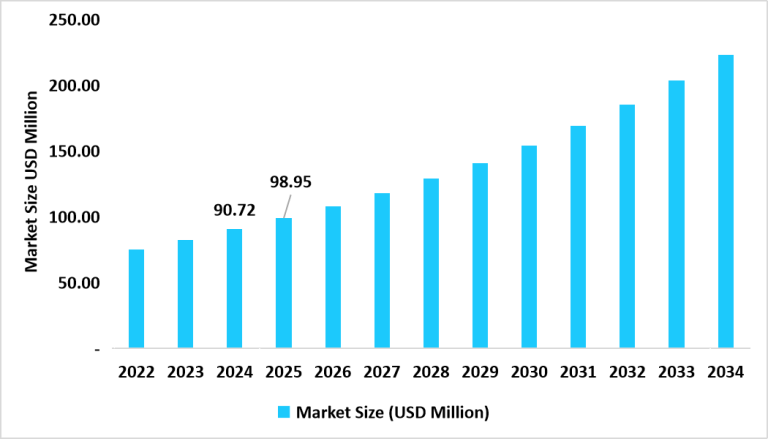
The global heated clothing market is projected to grow at a CAGR of 12-15% (2025-2030), driven by technological advancements, increasing demand for outdoor activities, and an aging population seeking thermal comfort. This report provides a comprehensive analysis of market trends, supply chain shifts, and an expanded breakdown of heated clothing categories that are gaining traction.


2. Market Overview (2025-2030)

Including Supply Chain Analysis and Expanded Product Categories

2.1 Market Size & Growth

  • 2024 Market Value:Β $1.5 billion
  • 2030 Projection:Β $3+ billion
  • Key Growth Drivers:
    • Rising popularity ofΒ winter sports (skiing, snowboarding, hiking)
    • Smart heating technologyΒ (app-controlled, AI temperature adjustment)
    • Medical & therapeutic applicationsΒ (arthritis, Raynaud’s disease)
  • Top Searches:
    • “Heated jackets” (+40% YoY)
    • “Heated gloves for arthritis” (+55%)
    • “Best heated socks for hiking” (+35%)
    • “USB-powered heated vest” (+50%)
  • Peak Seasons:Β October–February (Northern Hemisphere winter)
  • High-Interest Regions:
    • North America (U.S., Canada) – Largest market
    • Europe (Germany, UK, Scandinavia) – Strong winter sports culture
    • Asia-Pacific (Japan, South Korea, China) – Emerging demand

3. Expanded Heated Clothing Categories

The market is diversifying beyond traditional heated jackets and vests. Below is a detailed breakdown of key product categories:

Brands should invest in diverse heated apparel categories

3.1 Upper Body Wear

Product TypeKey FeaturesTarget AudiencePrice Range
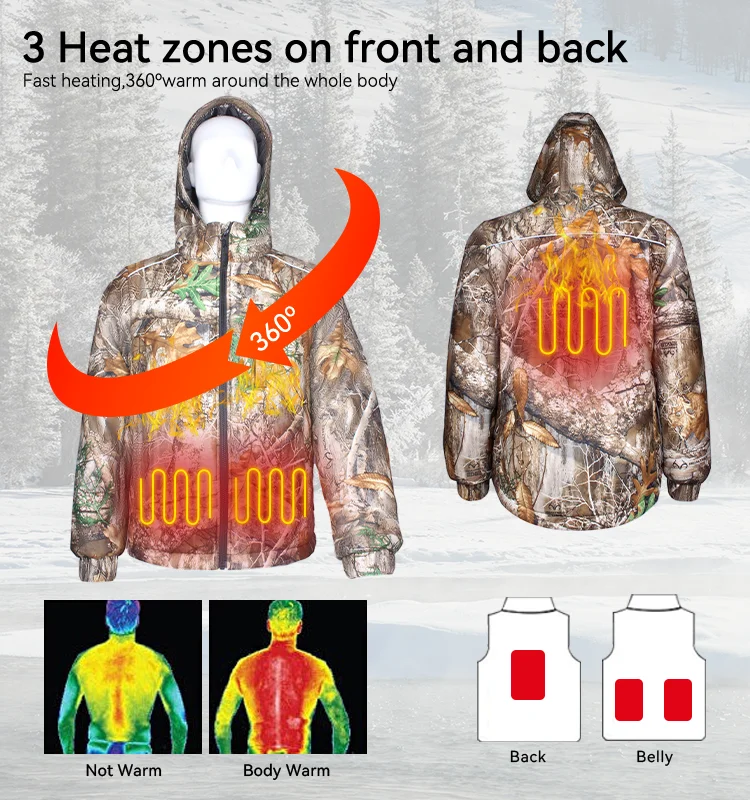
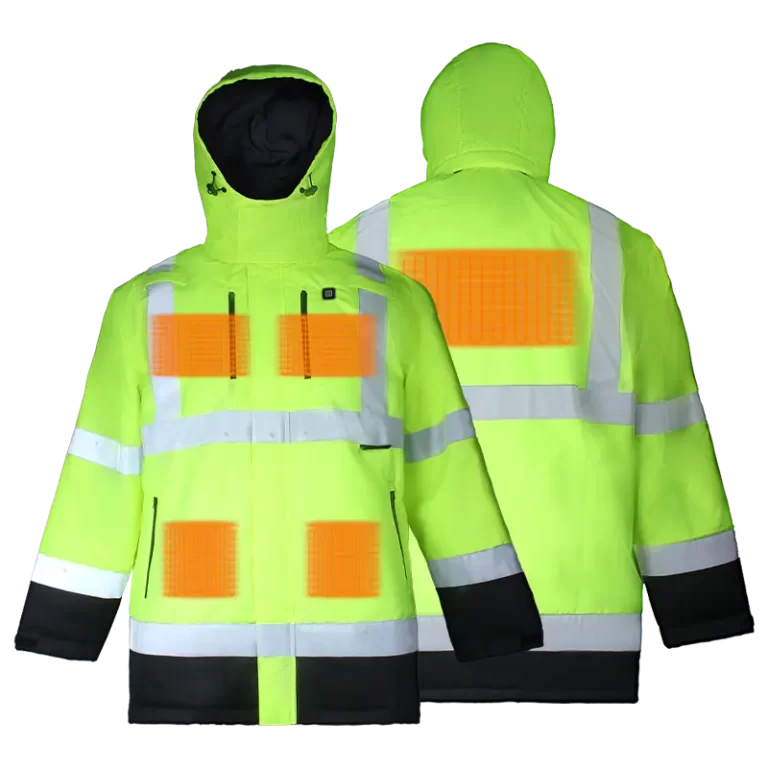
Heated JacketsBattery-powered, 3-zone heatingOutdoor workers, winter sports$150–$500
Heated VestsLightweight, USB rechargeableUrban commuters, motorcyclists$100–$300
Heated HoodiesCasual wear with hidden heating elementsYouth, everyday winter use$80–$200
Heated ShirtsThin, flexible heating for layeringOffice workers, mild winters$70–$180

3.2 Lower Body Wear

Product TypeKey FeaturesTarget AudiencePrice Range
Heated PantsAdjustable thigh/knee heatingSkiers, construction workers$120–$350
Heated LeggingsStretchable, women-focused designsYoga, winter runners$90–$250
Heated Base LayersSilk/thermal fabric with heating wiresCampers, military personnel$60–$200

3.3 Accessories

Product TypeKey FeaturesTarget AudiencePrice Range
Heated GlovesTouchscreen-compatible, waterproofMotorcyclists, outdoor workers$50–$200
Heated Socks6–10 hours battery life, moisture-wickingHikers, diabetics, elderly$40–$150
Heated InsolesSlim design for any footwearDaily commuters, winter sports$30–$120
Heated ScarvesFashionable, quick-heatingUrban consumers$40–$100

3.4 Niche & Emerging Categories

  • Heated Sleeping BagsΒ (for camping, emergency survival)
  • Heated Pet ClothingΒ (for dogs in cold climates)
  • Heated Maternity WearΒ (targeting pregnant women in winter)
  • Heated Motorcycle SuitsΒ (integrated with bike battery systems)

4. Supply Chain Shift: China to Southeast Asia & Beyond

(Previous analysis remains relevant, but here’s a brief summary with new insights related to expanded product categories.)

  • Vietnam & Bangladesh:Β DominatingΒ apparel assemblyΒ (jackets, vests, pants).
  • India:Β Emerging inΒ electronics integrationΒ (heated gloves, socks due to growing tech labor).
  • Mexico:Β Gaining traction forΒ U.S. nearshoringΒ (heated workwear for construction).

4.2 Challenges by Product Category

Product CategorySupply Chain ChallengesBest Production Hub Alternatives
Heated Jackets/VestsHigh labor costs in ChinaVietnam, Bangladesh
Heated Gloves/SocksNeed skilled electronics assemblyIndia, Mexico
Heated Base LayersRequires advanced fabric-tech integrationTurkey, Portugal (EU-focused)

4.3 Where Is Production Shifting?

CountryAdvantagesChallengesAdoption by Heated Clothing Brands?
VietnamLower wages, strong textile industry, EU/US FTAsRising labor costs, factory shortagesYes (Nike, Patagonia expanding)
BangladeshCheapest labor, high garment export capacitySafety concerns, political instabilityLimited (basic apparel, not yet high-tech heated gear)
IndiaLarge workforce, domestic market growthBureaucracy, power shortagesEmerging (Tesla, Apple moving; heated clothing still small)
CambodiaLow tariffs (EU EBA scheme), cheap laborWeak infrastructure, corruption risksMinor role (low-tech sewing, not electronics)
MexicoNearshoring for U.S. market, USMCA benefitsHigher wages than Asia, cartel issuesYes (some U.S. brands shifting)

4.4 Impact on Heated Clothing Manufacturing

  • Electronics & Battery Production:Β StillΒ China-dominatedΒ (Shenzhen, Guangdong).
  • Apparel Assembly:Β Moving toΒ Vietnam, Bangladesh, India.
  • Key Challenges:
    • Southeast Asia lacks China’s integrated supply chainΒ (fabrics, heating elements, batteries).
    • Higher logistics costsΒ if components are made in China but assembled elsewhere.
    • Quality control issuesΒ in new manufacturing hubs.
  • 2025-2026:Β More brands adoptΒ “China+1” strategyΒ (Vietnam primary alternative).
  • 2027-2030:Β India & Mexico grow asΒ secondary hubsΒ for U.S./EU markets.
  • Smart Manufacturing:Β Automation in Southeast Asia to offset rising wages.

5. Future Opportunities (2025-2030)

5.1 By Product Category

  • Heated Activewear:Β Gym leggings & sports bras with heating tech.
  • Medical-Grade Heating:Β FDA-approved wearables for chronic pain.
  • Fashion-Tech Collaborations:Β Luxury brands x heated apparel (e.g., Moncler, Canada Goose).

5.2 By Region

  • Europe:Β Growth inΒ heated cycling gearΒ (e-bike commuters).
  • Asia:Β Low-cost heated layersΒ for mass-market adoption.
  • North America:Β Smart heated workwearΒ (construction, delivery drivers).

6. Conclusion & Recommendations

  • Product Expansion:Β Brands should invest inΒ diverse heated apparel categories, especiallyΒ accessories and niche marketsΒ (pet, maternity).
  • Supply Chain Strategy:
    • Vietnam & BangladeshΒ for bulk apparel manufacturing.
    • India & MexicoΒ for tech-integrated products (gloves, socks).
    • Localized battery productionΒ to avoid delays.
  • Marketing Focus:Β TargetΒ winter sports, medical, and urban commuter segments.

Sources:Β Google Trends, McKinsey Supply Chain Reports, U.S. Fashion Industry Association (USFIA), World Bank Data.

Similar Posts